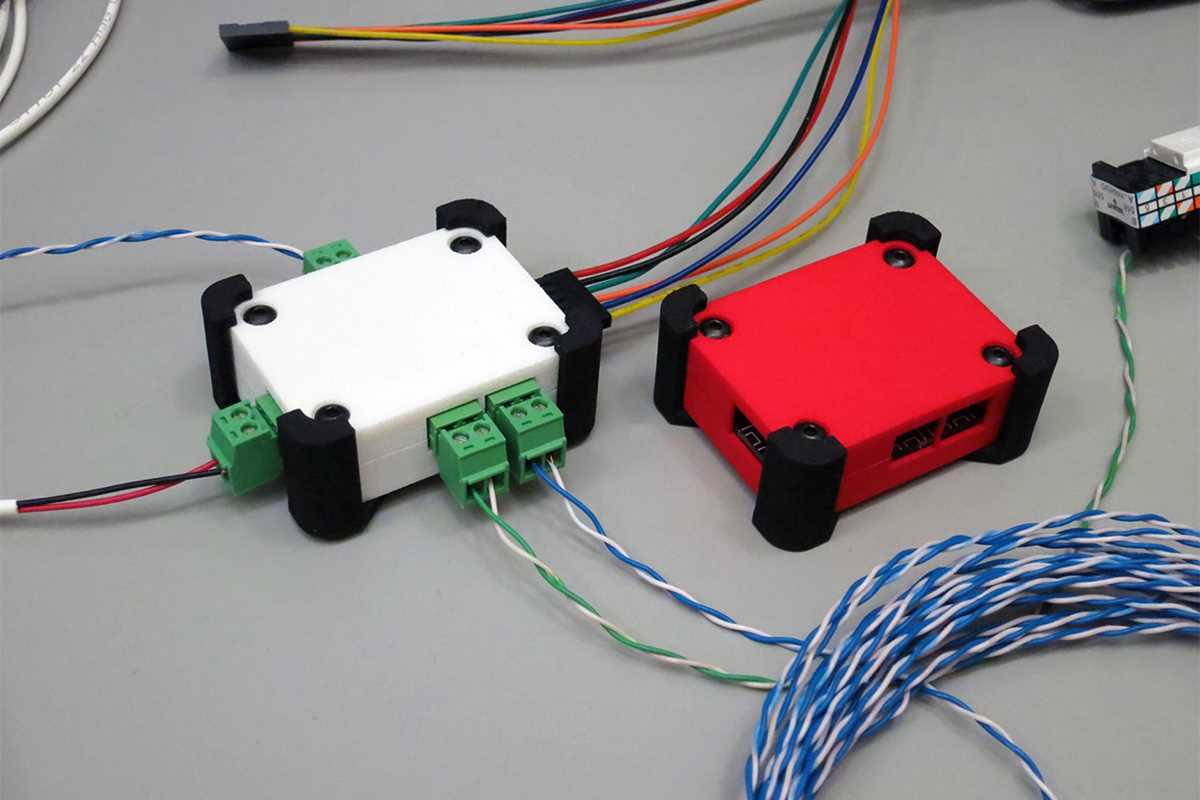
Start by selecting the right material for your custom casing. For electronics, materials like ABS or PETG offer durability and flexibility, while PLA is ideal for non-functional prototypes. Consider the environmental conditions the casing will face, such as heat or moisture, to ensure you choose a material that can withstand them.
Once you’ve decided on a material, focus on the design. Using CAD software, create a 3D model that fits your components snugly. Be sure to account for any ports, buttons, or vents that need to be accessible. Adding reinforcing ribs or thicker walls in stress points can help improve the strength of the structure.
After finalizing your design, check the print settings. Ensure that the layer height, infill percentage, and support structures are optimized for your specific print. Once printed, you can assemble the parts and test the fit. If necessary, make adjustments to the design to improve the ease of assembly or enhance the fit.
Designing Custom Cases for Electronic Components
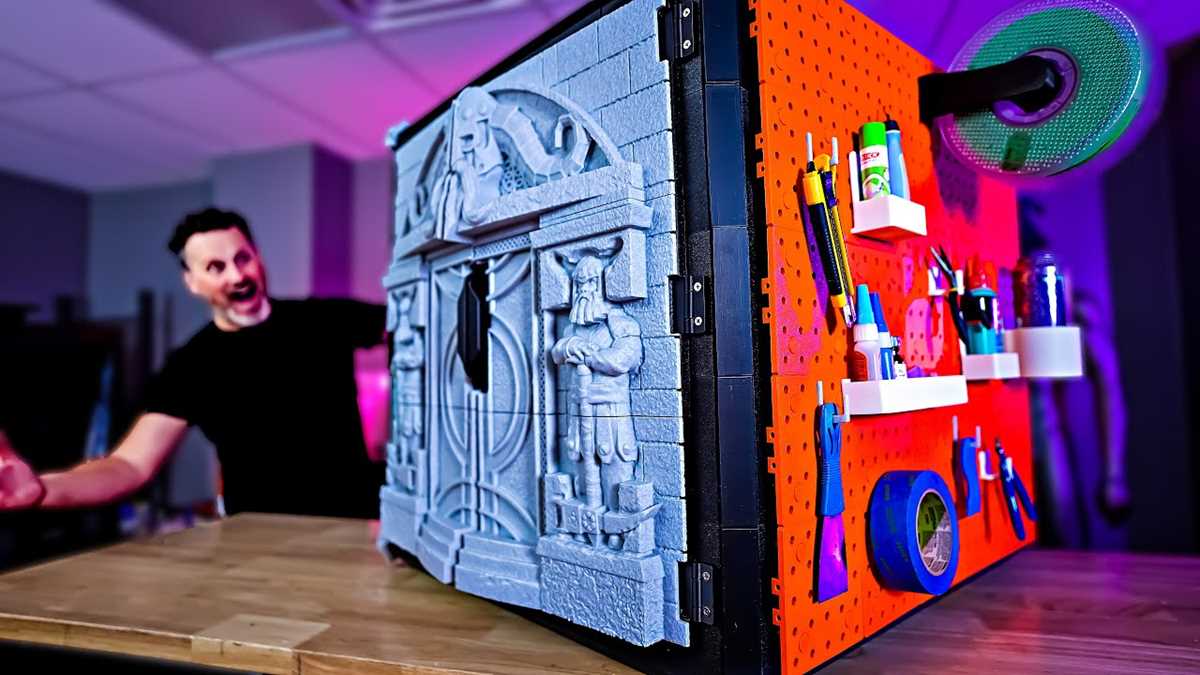
Start by defining the purpose of the casing. Will it protect sensitive electronics from external elements like moisture, dust, or static electricity? Understanding the main function will guide the selection of materials and design features. For example, ABS is a popular choice for robust designs, while TPU is better for flexible, shock-absorbent applications.
When designing the case, account for various factors such as ventilation, cable management, and ease of assembly. You’ll need to plan for openings or cutouts to ensure ports and connectors are accessible. Pay attention to the interior design as well, ensuring components fit snugly while allowing enough room for cooling or air circulation if necessary.
- Consider adding mounting points for components to avoid unnecessary movement.
- Reinforce areas that may experience physical stress, like corners or hinges, with thicker walls.
- Ensure the casing is compatible with your 3D printer’s build volume to avoid splitting the design into multiple parts.
Once you’ve completed the design, adjust the print settings for optimal results. Use a lower layer height for finer details and consider increasing the infill density for added strength. After printing, test the fit by assembling the parts, and be prepared to make adjustments for a perfect, snug fit that ensures both functionality and durability.
Choosing the Right Material for 3D Printed Cases
Start by considering the environment in which the case will be used. If your design will be exposed to high temperatures or mechanical stress, choose a material that can withstand these conditions. For outdoor applications, materials like ABS and PETG are ideal due to their durability and resistance to UV rays.
If flexibility is a priority, consider using TPU. This material offers great impact resistance and can handle slight bending without cracking, making it a solid choice for designs that require shock absorption or need to flex under pressure.
For lightweight designs, PLA is a good option. While it isn’t as strong or heat-resistant as ABS, it’s easy to work with and offers a smoother finish. PLA is ideal for prototypes or cases that won’t face high stress or temperature fluctuations.
When designing for electronics, thermal conductivity is important. If your components generate heat, materials with higher thermal resistance like PETG or polycarbonate may be necessary to prevent heat buildup. Polycarbonate also offers superior impact resistance, which is useful in protecting delicate equipment from physical damage.
In some cases, you may need a material that can resist chemical exposure, such as solvents or oils. Materials like polypropylene (PP) or nylon are excellent choices for environments where contact with chemicals is frequent. These materials offer high chemical resistance and are commonly used in industrial settings.
Additionally, consider the ease of post-processing. Some materials, like ABS, can be smoothed and polished using solvents like acetone, giving your design a cleaner finish. Others, such as PLA, may require additional sanding or painting to achieve the desired look and texture.
If the case needs to be transparent for visual inspection of internal components, opt for clear filament like PETG or polycarbonate. These materials maintain strength while allowing you to see the contents inside, making them suitable for both functional and aesthetic applications.
Finally, consider the environmental impact of the material. PLA is biodegradable, making it a more eco-friendly choice compared to other plastics like ABS. However, if durability and longevity are the primary concerns, non-biodegradable options like ABS or PETG might be better suited for the job.