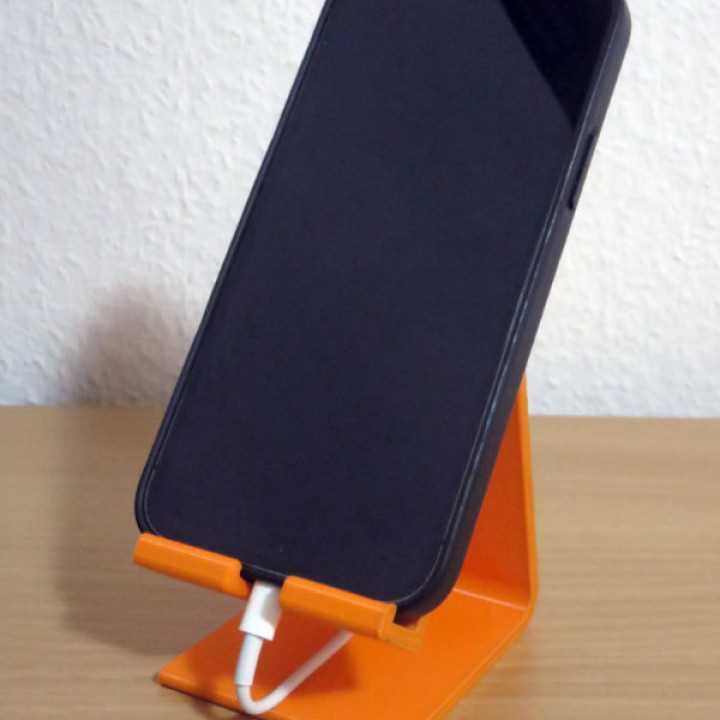
Start by selecting the right model for your device. Numerous websites and platforms offer free or paid designs for various devices, allowing you to customize them further. Ensure the design you choose fits your preferences, including size, texture, and style.
Choose a strong and durable material for optimal protection. Common materials for 3D designs include PLA, ABS, or TPU. Each material offers different benefits, such as flexibility, sturdiness, and ease of printing, so choose one based on your needs.
Printing settings are important for a successful result. Set your 3D printer to a high resolution to capture finer details in your design. Pay attention to layer height and infill density, as these factors affect the durability and appearance of the finished product.
3D Design Guide for Custom Covers
First, choose the model for your device. There are many websites where you can download pre-made designs, or you can create your own using CAD software. Be sure to select a design that matches your exact device specifications.
Material selection is key: The most common materials used for creating covers are PLA, TPU, and ABS. PLA is easy to print with and offers a good balance between rigidity and flexibility. TPU is more flexible, making it ideal for shock absorption, while ABS offers durability but can be tricky to print with due to its tendency to warp.
Prepare your 3D printer: To ensure a smooth print, use the correct settings on your 3D printer. Adjust the resolution to high to capture fine details, and make sure the temperature settings match the material you’re using. Set the layer height appropriately to avoid rough edges.
Print orientation: The orientation of your design can affect the final result. For better strength and durability, print the object with the back facing down. This minimizes warping and improves the structure. Additionally, using support structures during the print can help with overhangs and intricate designs.
Post-processing tips: Once your item is printed, remove any support structures and smooth the edges using sandpaper or a file. If you want a glossy finish, you can use a resin coating or a spray-on finish for a more professional look.
Customization options: Personalize your creation by adding unique elements like patterns, textures, or colors. If you have multiple filament colors available, you can use multi-color printing to make your design stand out. For additional flair, try adding small decorative elements like logos or symbols to the surface.
Testing for fit: After printing, check the fit of your creation. Ensure all buttons, ports, and the camera lens area are unobstructed. If there are any areas that need adjustment, make changes to your design file before reprinting for a more refined result.
How to Choose the Right Material for Your Custom Cover
Start by considering the durability you need. If you want a strong and rigid cover, ABS is a good option. It offers high impact resistance and is ideal for creating a protective barrier for your device. However, ABS can be difficult to print with, especially if you’re not using a heated bed.
PLA is another popular choice. It is easier to print and works well for creating basic designs. Although it doesn’t have the flexibility of some other materials, it’s perfect for those who prioritize ease of use and a good finish. However, it may not withstand high temperatures as well as other materials.
If you need a more flexible design that can absorb shocks, consider TPU. This material is rubber-like, which makes it great for providing extra protection. TPU is ideal for users who want a case that offers both flexibility and durability without being too rigid.
Nylon is a stronger and more flexible material compared to PLA or ABS. It has a higher tensile strength, which means it can withstand more stress. If you’re designing a case that needs to handle extreme conditions or frequent handling, nylon might be the best choice.
Consider PETG for a good balance between strength and flexibility. PETG is resistant to impacts and chemicals, making it suitable for a more rugged environment. It’s also less prone to warping compared to ABS, making it easier to print with.
Resins offer the highest level of detail and smoothness, which makes them perfect for users who want a glossy finish or intricate designs. However, resin is not as durable as plastic materials and might not provide the same level of protection against drops or impacts.
Think about the texture and appearance you want. Materials like PLA and PETG are easier to finish with smooth textures, while others like TPU and nylon can be more challenging to smooth but provide unique tactile qualities and grip.
Lastly, consider the environmental impact. PLA is biodegradable, making it a more eco-friendly option compared to other plastics like ABS. If sustainability is important to you, opt for materials like PLA that are made from renewable resources.