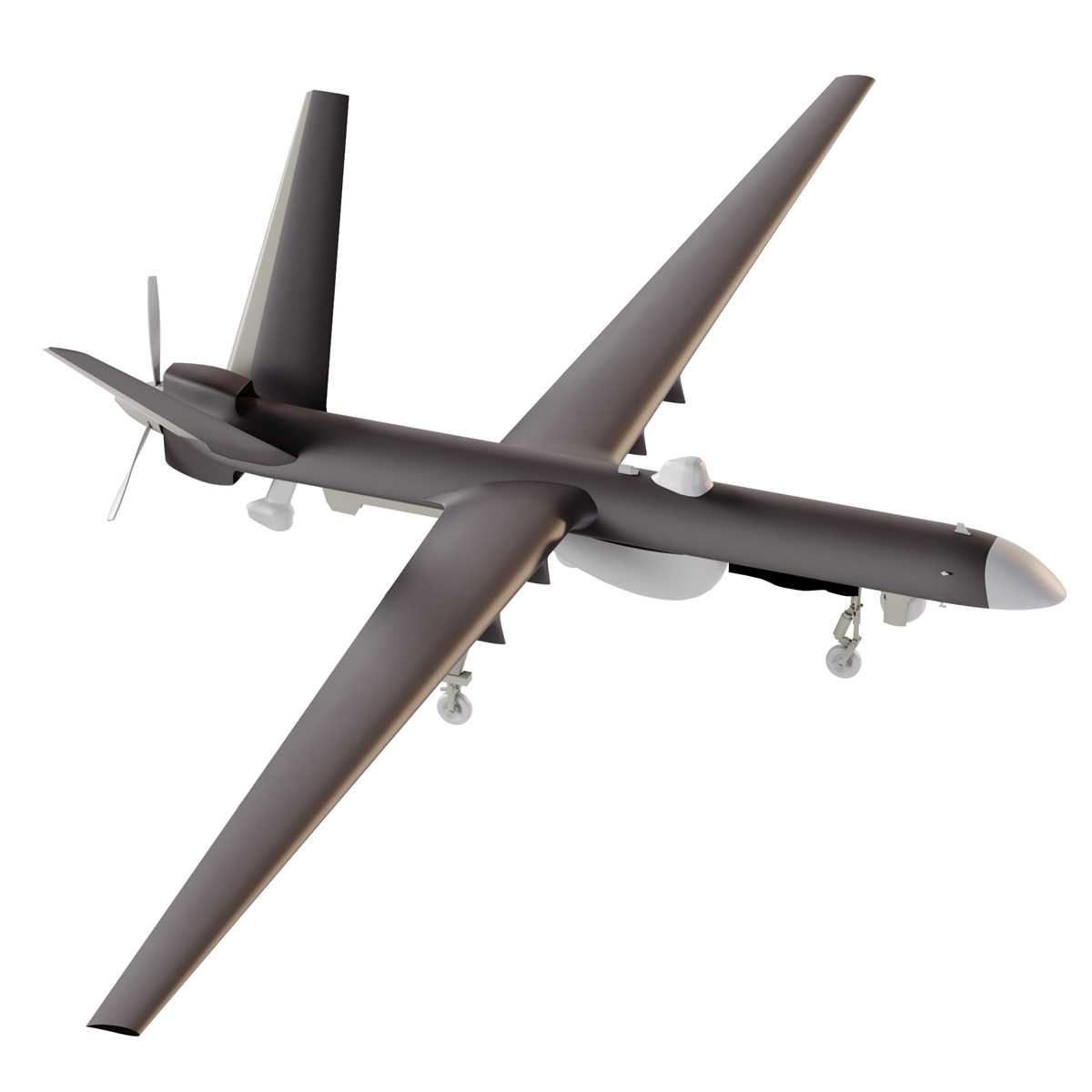
For building lightweight and durable aerial vehicles, 3D printing is an effective solution. By using this method, manufacturers can create parts tailored to specific needs, reducing both costs and assembly time. Choose materials like carbon fiber for strong components or flexible polymers for parts that require durability under impact.
Start the design process with precise 3D models using CAD software. Break down the components into smaller, printable sections that fit together seamlessly. Focus on minimizing weight while ensuring strength, as this directly influences the flight capabilities and battery efficiency of the finished product.
One of the key benefits is rapid prototyping. This method allows for quick iteration and testing of designs in real-world conditions. You can quickly spot design flaws or test new configurations, accelerating the development process without the need for expensive molds or traditional manufacturing techniques.
3D Printed Aerial Vehicles
Designing aerial vehicles using 3D technology allows for high customization and rapid iteration. One of the main advantages is the ability to print complex geometries that would be difficult or costly to achieve through traditional manufacturing methods. Ensure that your design minimizes material usage to reduce weight without compromising structural integrity. Thin-walled components or hollow sections are often a practical solution for lighter builds.
Materials play a crucial role in determining the performance of these aircraft. For the main body, choose strong yet lightweight materials like carbon fiber reinforced filaments or ABS plastic, which offer durability while keeping the overall weight manageable. For components like propellers or hinges, flexible filaments like TPU can be beneficial due to their shock resistance and elasticity, preventing breakage from minor impacts.
When designing parts for 3D printing, always consider how each component will be printed. For example, the orientation of the print can impact the strength of the material. Printing in the correct direction can reduce the risk of delamination, improving the overall durability of the final product. Additionally, use support structures where necessary to ensure that intricate designs can be printed successfully.
Testing is a critical part of the development process. Once the parts are printed, assemble the vehicle and test it in various real-world conditions. This will help identify areas of improvement, whether it be for aerodynamics or part durability. After testing, 3D printing allows you to quickly revise and print new parts based on the feedback, accelerating the development cycle.
| Material | Properties | Ideal Use |
|---|---|---|
| Carbon Fiber Reinforced Filament | High strength-to-weight ratio, stiff | Airframe, structural components |
| ABS Plastic | Durable, heat resistant | Main body, parts exposed to heat |
| TPU (Thermoplastic Polyurethane) | Flexible, shock-absorbent | Propellers, flexible parts |
Choosing the Right Materials for 3D Printed Aerial Vehicle Components

For building strong and lightweight aerial vehicles, the selection of materials is critical. Materials like carbon fiber composites provide an excellent balance of strength and low weight, making them ideal for the frame and other structural components. For parts exposed to high stress, such as motor mounts and landing gear, consider using carbon fiber-infused filaments or reinforced polymers like polycarbonate to increase impact resistance and durability.
For flexible parts, such as propellers and certain connectors, thermoplastic elastomers (TPE) or TPU are the best choices. These materials offer flexibility and shock absorption, reducing the risk of breakage during flight. They can also absorb vibrations, which is vital for improving the stability of the aerial vehicle during operations in turbulent conditions.
- Carbon Fiber Reinforced Filament: Lightweight, high strength, ideal for structural components.
- ABS Plastic: Durable and heat-resistant, perfect for body parts and areas exposed to friction or high temperatures.
- Polycarbonate: Impact-resistant, used in critical high-stress parts.
- TPU (Thermoplastic Polyurethane): Flexible and shock-absorbing, best for propellers and vibration-sensitive parts.
Step-by-Step Guide to Designing Aerial Vehicle Parts for 3D Printing
Begin the design process by selecting the key components you need to create. Common parts include frames, motor mounts, propellers, and landing gear. Identify which parts can be optimized through 3D printing, focusing on areas where customization or rapid prototyping would be most beneficial.
Use CAD (Computer-Aided Design) software for accurate modeling. Tools such as SolidWorks, AutoCAD, or Fusion 360 are ideal for creating detailed 3D models. Start by sketching the basic shapes of your components, keeping in mind the constraints of the printing process, such as maximum size, material strength, and weight distribution.
Ensure all parts are designed with proper fit and functionality. When designing the frame, consider how each piece will connect to others, and be sure to include appropriate slots, holes, or joints. Avoid intricate details that may be difficult to print or assemble, as these can add unnecessary complexity to the design and reduce the overall strength of the component.
Optimize the geometry of each part to minimize material usage while maintaining strength. Thin-walled structures can be used where appropriate, but always account for the material properties. For example, carbon fiber composites can support more complex shapes without adding significant weight, while standard plastic might need more support to maintain stability under stress.
Consider the orientation of each part when preparing for 3D printing. Certain components, like motor mounts, may perform better when printed with the grain of the material aligned with the direction of force. For more complex parts, plan the printing process carefully, considering the necessary support structures to prevent warping or failure during the print.
Before printing, run simulations to test the design for structural integrity. Many CAD programs allow you to simulate stress and strain on your model, helping to identify weak points before actual production. Make adjustments based on the results to ensure the parts will perform as expected under real-world conditions.
Once the design is finalized, prepare the 3D file for printing. Use slicing software to convert your 3D model into a format compatible with the printer. Ensure you choose the right settings, such as layer height and infill percentage, to balance quality, strength, and speed of the print. After printing, assemble and test the parts in a prototype to confirm that they meet performance expectations.
Optimizing Aerial Vehicle Performance with 3D Printed Airframes
To optimize flight performance, start by designing the airframe to be both lightweight and strong. Use materials such as carbon fiber composites or reinforced plastics for structural components to maximize strength without adding unnecessary weight. The geometry of the frame plays a critical role; hollow sections or thin-walled designs can reduce weight without sacrificing rigidity. Make sure the design allows for efficient airflow, as aerodynamics significantly affect flight stability and energy consumption.
Focus on minimizing the number of parts that need to be assembled. A single, integrated airframe can reduce the risk of failure by eliminating the need for multiple connections or joints. Additionally, consider modular designs that allow for easy replacement of damaged sections, reducing repair time and costs. 3D printing also allows for complex internal structures, such as ribbing, that would be impossible to achieve with traditional manufacturing methods.
- Material Choice: Carbon fiber for structural strength, ABS for lightweight durability, or nylon for flexibility.
- Design Approach: Thin-walled, hollow structures reduce weight; modular design increases ease of repair.
- Aerodynamics: Smooth surfaces and streamlined shapes improve flight efficiency and stability.
Cost Comparison: 3D Printing vs Traditional Manufacturing for Aerial Vehicles
3D printing offers significant savings in both material costs and production time. Traditional methods like injection molding or CNC machining require expensive molds and specialized tooling, which can add hundreds or even thousands of dollars to the cost of a single part. In contrast, 3D printing requires minimal upfront investment and can produce components directly from digital designs, reducing labor and setup costs.
The cost of materials for 3D printing is also generally lower. For instance, thermoplastics like ABS or PLA are inexpensive and widely available. Advanced materials, such as carbon fiber composites, may still be costly but are often less expensive when produced through 3D printing compared to traditional manufacturing techniques, which require custom material preparations and processing steps. In traditional methods, raw material waste is a concern, whereas 3D printing only uses the exact amount of material required for each part.
Another major advantage of 3D printing is the ability to create complex geometries without increasing production costs. With traditional manufacturing, designing intricate or non-standard shapes often involves additional tooling or labor, which increases costs significantly. 3D printing eliminates this barrier, allowing for intricate and lightweight designs without any additional cost burden.
On the other hand, traditional manufacturing excels in mass production. Once molds are created, parts can be reproduced at a high rate, which reduces the cost per unit significantly for large-scale production. However, for low-volume or custom designs, 3D printing remains more cost-effective as it bypasses the need for expensive molds and reduces setup times.
Lead time is another key difference. Traditional manufacturing processes can take weeks or even months to set up tooling and produce an initial batch of parts, particularly when dealing with custom components. With 3D printing, the turnaround time is dramatically shorter, often only a few days, depending on the complexity of the parts. This can be especially valuable in rapid prototyping and iterative testing, allowing designs to be modified and tested in real-world conditions quickly.
3D printing also offers the ability to produce on-demand parts, reducing the need for large inventories. In traditional manufacturing, stockpiling parts to account for demand fluctuations can be costly and wasteful. With additive manufacturing, parts can be printed as needed, saving on storage costs and reducing the risk of surplus materials going unused.
However, for high-performance or high-volume applications, traditional manufacturing may still be more economical in the long run. For example, injection-molded plastic parts benefit from extremely low production costs per unit at scale, which is difficult to match with 3D printing. Nonetheless, for small batches, custom parts, or prototypes, 3D printing remains a more affordable option.
- 3D Printing: Low initial cost, rapid production, material efficiency, customizable designs.
- Traditional Manufacturing: High setup cost, but low per-unit cost at scale, suitable for mass production.