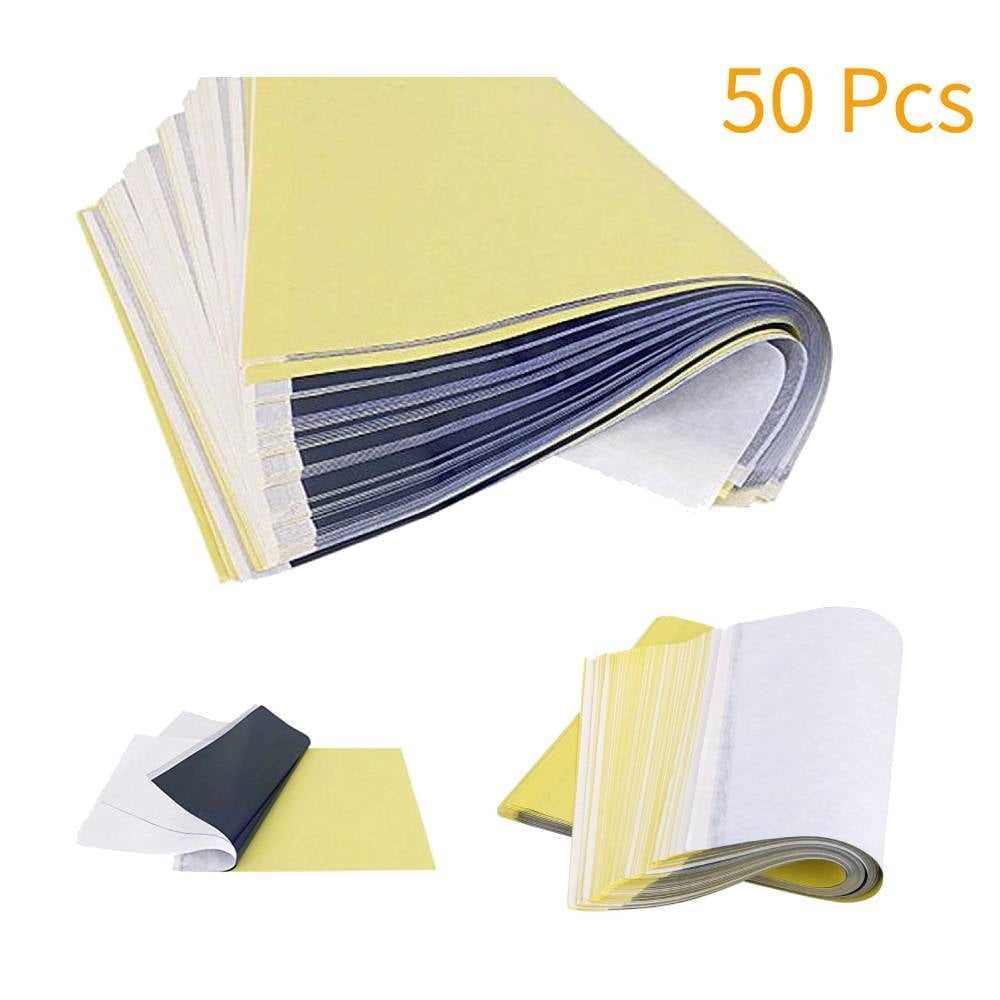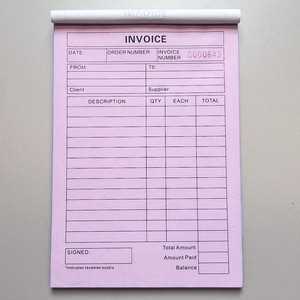
To easily replicate designs or transfer drawings, use transfer sheets specifically made for design purposes. These materials are a great solution for artists, crafters, and DIY enthusiasts who need to quickly copy patterns onto a variety of surfaces. They allow for clean and accurate duplication, making them ideal for projects such as crafting, sketching, or creating stencils.
Ensure that the design is placed properly, with the transfer medium sandwiched between the original drawing and the target surface. Gently trace over the image to achieve a precise copy without smudging. Whether you are working on fabric, wood, or paper, the key is to apply consistent pressure during tracing to ensure that the marks are transferred clearly.
Choose the right type of transfer sheet for the material you are working with. For heavier surfaces like canvas or wood, opt for thicker sheets that provide clearer marks. For more delicate materials, choose a thinner option that will ensure a cleaner transfer without damaging the surface. This simple tool can save time and effort, producing excellent results in a fraction of the time compared to hand-copying designs manually.
Using Transfer Sheets for Accurate Design Replication
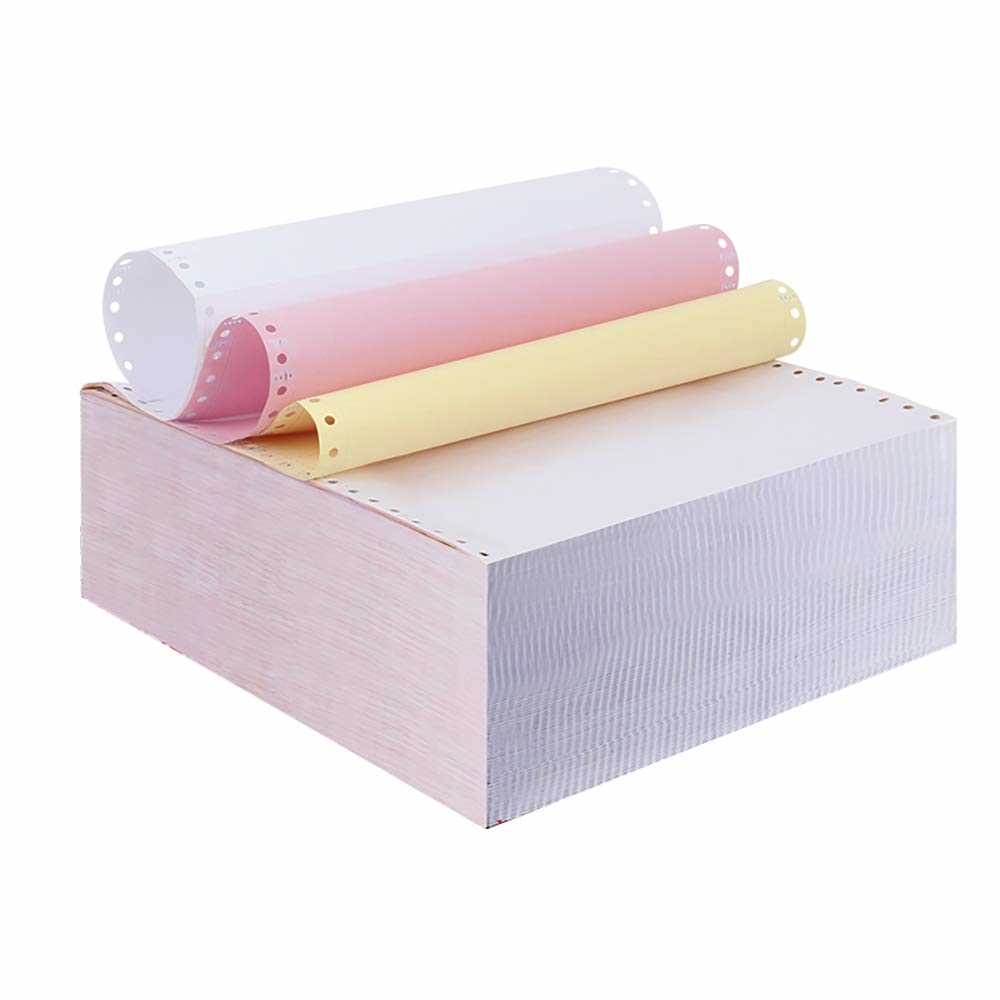
To replicate drawings or patterns efficiently, utilize transfer sheets designed for tracing and duplication. These tools provide an easy solution for artists and crafters who need to copy intricate designs onto various surfaces like wood, fabric, or canvas. The sheets allow for precise and clean transfers, ensuring that your designs are replicated with accuracy.
Begin by placing the original design on a flat surface. Position the transfer sheet beneath it, ensuring that the marked side is facing the material where the pattern will be copied. This setup ensures a smooth, seamless transfer process. Ensure that the sheet is firmly in place to avoid movement during tracing, which could result in smudged or distorted lines.
For best results, use a steady hand when tracing the design with a pencil or stylus. The transfer material works by pressure, so avoid pressing too hard, as it may leave unwanted marks. For light or delicate designs, a softer touch is preferred. The goal is to apply enough pressure to transfer the design clearly without damaging the material underneath.
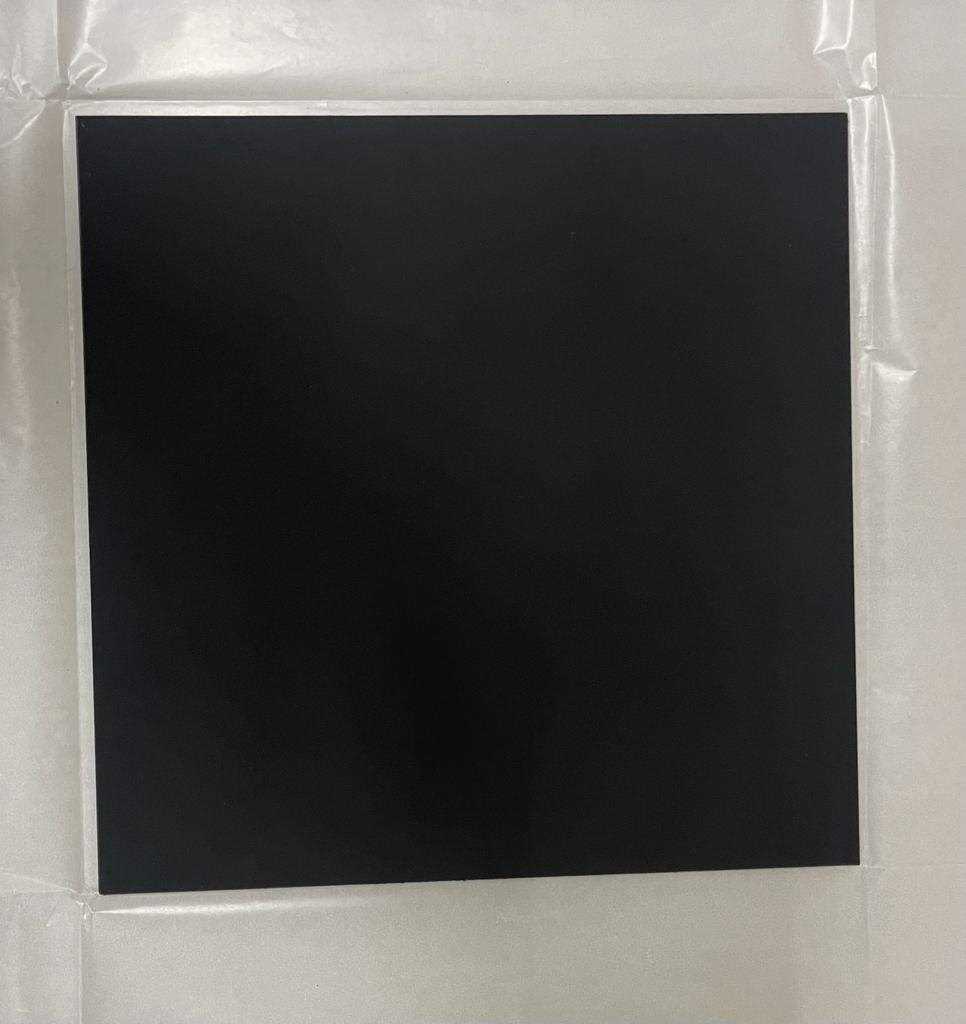
When selecting the right transfer medium for your project, consider the type of surface you are working with. For example, if you’re transferring onto fabric, choose a transfer tool suitable for textiles, which leaves marks that won’t smudge or wash away easily. For wood or heavier materials, a more robust transfer option will ensure the design adheres properly.
If you’re working with multiple layers or complicated patterns, it’s often helpful to test the transfer sheet on a scrap piece of material first. This trial run will give you an idea of how much pressure is needed and whether the marks are transferring accurately. Testing can help prevent mistakes before committing to the final piece.
Transfer sheets also come in different thicknesses, which can affect the clarity of the lines. A thinner transfer medium works best for detailed and fine patterns, while thicker options are ideal for bold lines or larger designs. Be sure to match the thickness of the transfer tool with the complexity of the design to get the cleanest results.
These tools are not limited to professional artists; they can also be used for DIY projects, scrapbooking, or creating stencils for home decor. Whether you’re an experienced crafter or just beginning, these transfer tools simplify the process and help you create consistent, high-quality designs.
Once the design has been transferred, remove the sheet and assess the clarity of the transfer. If any lines are faint, you can gently retrace them with a pen or marker to enhance their visibility. The final result should be a crisp and accurate representation of the original design, ready for further customization or coloring.
How to Properly Use Transfer Sheets for Tracing Designs
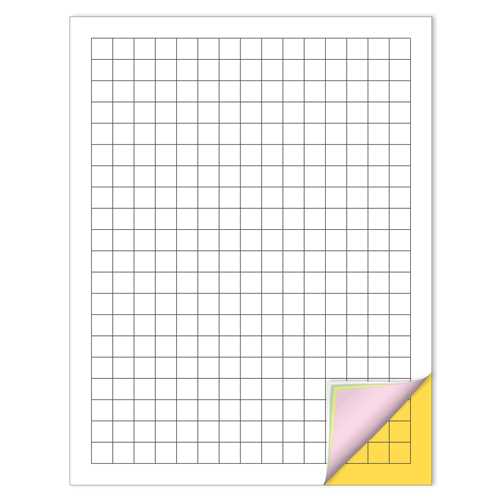
To achieve accurate results when using transfer sheets, start by placing the original design on a smooth, flat surface. Lay the transfer medium beneath it, ensuring the marked side is facing the material where you wish to transfer the design. This setup is key to getting a precise copy.
Use a pencil or stylus to trace over the lines of the design. Apply a gentle but consistent pressure to avoid smudging. Make sure to follow the design closely, as uneven pressure can distort the transfer. If the design is complex, consider tracing in small sections to maintain clarity and control.
After tracing, carefully lift the sheet to check the quality of the transfer. If the marks are faint, retrace the lines with a fine pen or pencil. If needed, you can lightly erase any excess marks or smudges from the material before proceeding with any further steps in your project.