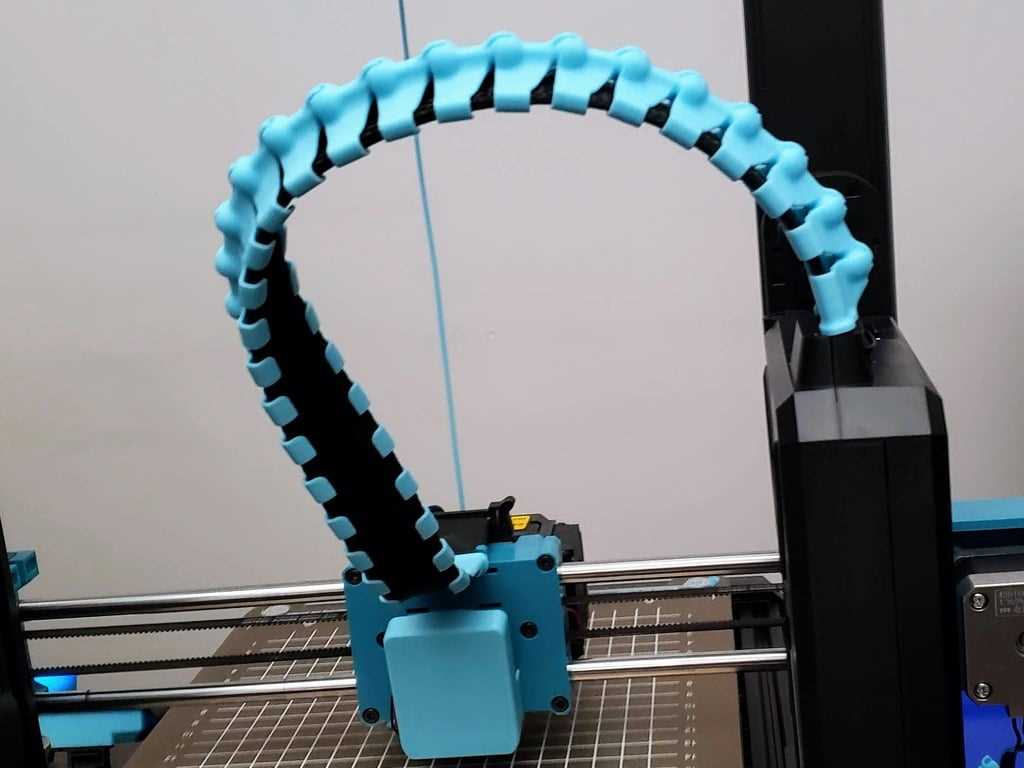
To create reliable protective structures for wiring systems, focus on modularity and durability. These elements should allow for easy assembly and disassembly, enabling maintenance and upgrades without requiring complete replacements. Aim for a flexible yet sturdy design to accommodate the dynamic movements and tension in the system. Select a material with good resistance to wear and tear, such as ABS or TPU, ensuring long-lasting performance in various environments.
Efficient space utilization is another key aspect when designing these systems. A compact and well-optimized configuration can minimize the amount of material needed, while still offering maximum protection for the cables. A smart, interlocking mechanism ensures that each segment fits securely and allows for easy expansion when necessary, without compromising the system’s overall integrity.
Pay close attention to stress points where tension or friction is most likely to occur. Reinforced sections at these critical spots will prevent premature damage and extend the lifespan of the whole assembly. Design considerations should also include heat resistance if the system is exposed to high temperatures, ensuring the longevity and reliability of the structure under varying conditions.
3D Design for Organizing Wires and Cables
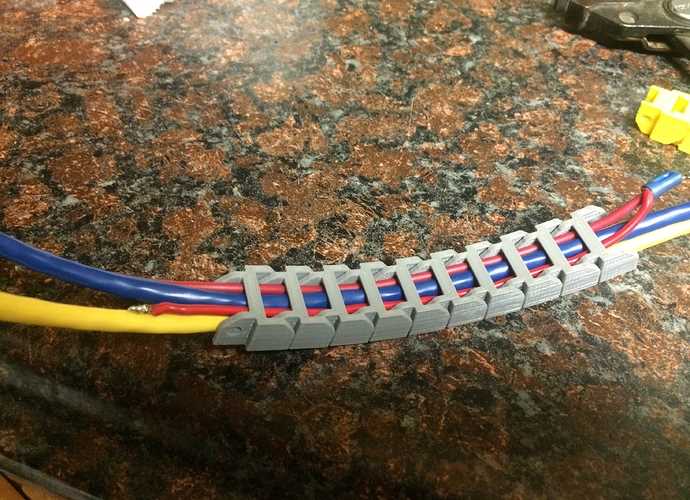
For organizing wires in industrial or DIY projects, using custom-made holders can drastically reduce clutter and increase efficiency. Create modular systems that allow for expansion or modification based on specific needs. Tailor these systems to fit exact sizes and quantities of cables you manage, ensuring better space utilization and accessibility.
Opt for a flexible design, allowing parts to pivot or rotate. This adaptability ensures compatibility with a variety of setups, especially in environments where wiring needs change regularly. By adjusting the spacing between segments, the layout can be optimized for various wire thicknesses and lengths, ensuring a secure hold without overcrowding.
Using a snap-fit mechanism helps to assemble and disassemble parts without the need for screws or additional fasteners. This method not only saves time but also provides a seamless approach for maintaining or upgrading wiring systems. It is advisable to test the connection strength of each segment before finalizing the design to avoid accidental disengagement under stress.
For designs that must withstand movement or vibrations, incorporate reinforced areas along stress points. Add thicker walls or use infill patterns that offer higher density in these regions to prevent premature wear or breakage. Pay close attention to the type of filament used for the build–materials like PETG or nylon may offer the best durability and flexibility for these types of applications.
Consider the environmental factors where the components will be used. If placed in areas with exposure to moisture or heat, choose filament types that have higher resistance to temperature variations or UV light degradation. This will enhance the longevity of the system and prevent the components from becoming brittle or losing their functionality over time.
Lastly, incorporate holes or slots for mounting the system in various configurations. Whether fixing it to a surface or attaching it to another structure, the inclusion of mounting points ensures the setup remains sturdy and secure. Adjustable options make it easier to relocate or modify as needs evolve, offering long-term flexibility.
Choosing the Right Material for 3D Printed Cable Chains
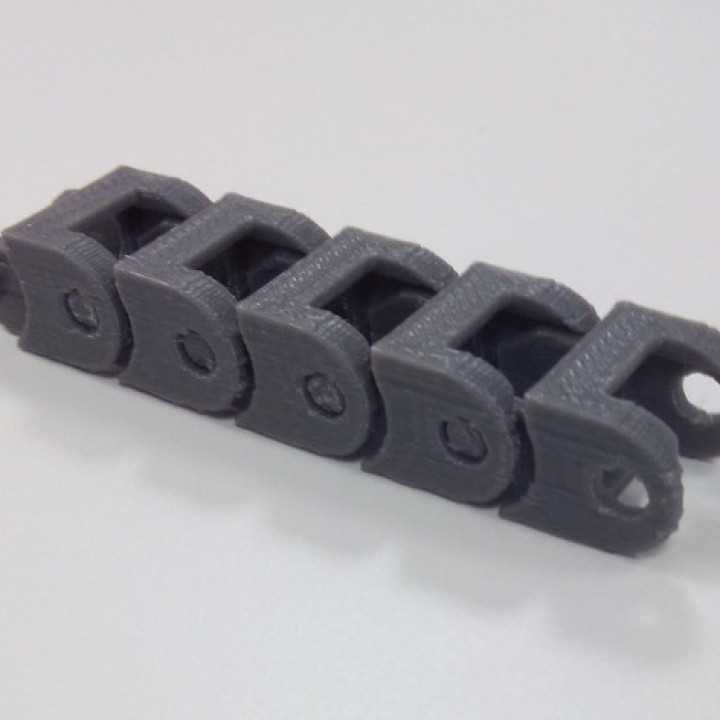
For optimal performance and durability, opt for a material that can withstand mechanical stresses and environmental factors. ABS (Acrylonitrile Butadiene Styrene) is an excellent choice for applications requiring strength and heat resistance. It offers great impact resistance and is well-suited for industrial settings where heavy-duty use is expected.
When flexibility is key, TPU (Thermoplastic Polyurethane) stands out. This material is perfect for designs needing movement and resistance to wear. It offers high elasticity, making it a go-to option for parts that will bend or twist frequently. TPU also provides resistance to abrasion, oils, and greases.
If the assembly is likely to face high temperatures, consider using Nylon. It retains strength at elevated temperatures and exhibits low friction. Nylon is ideal for components that will experience significant wear and tear, such as parts in continuous motion.
For lighter, non-load-bearing systems, PLA (Polylactic Acid) is often the best option. It is easy to print, requires lower temperatures, and is biodegradable, which makes it a great choice for prototype designs or applications where environmental impact matters. However, PLA is more brittle compared to other materials, which limits its use in heavy-duty applications.
Polycarbonate (PC) offers both impact resistance and high thermal stability, making it useful for demanding environments. It is tougher than ABS and can withstand temperatures up to 115°C. Its transparency also makes it a good option when visibility of the internal mechanism is necessary.
For enhanced chemical resistance, PETG (Polyethylene Terephthalate Glycol) is a strong contender. It combines the ease of use of PLA with the durability of ABS. PETG is less prone to cracking and is resistant to both chemicals and moisture, making it an ideal material for parts exposed to harsh environments.
Consider material cost and printability when selecting the right option. High-performance materials such as PEEK (Polyetheretherketone) are incredibly strong and durable but come with a high price tag. These materials are typically used in aerospace or medical fields, where extreme durability and heat resistance are required.
Finally, the selection depends on the specific application. For systems requiring low friction and smooth motion, materials like Nylon or PTFE (Polytetrafluoroethylene) may be appropriate. Each option provides a balance between durability, flexibility, and environmental resistance, depending on the demands of the particular application.