Start by selecting a high-quality, thick paper or cardstock for your project. It will make your custom designs more durable and easier to handle. Avoid standard printer paper as it might tear easily. Consider using a heavier weight material for longer-lasting results.
Next, choose an image or design to print. Simple, bold visuals work best as they are easier to cut and assemble. Avoid overly intricate patterns that might be hard to distinguish when pieced together. You can use personal photos, educational images, or themed graphics for a more engaging puzzle experience.
Once you have your image, print it onto your chosen paper using a high-quality printer. Make sure the print is sharp and clear, as this will affect the overall look of your puzzle. After printing, you can proceed to cut the design into segments using scissors or a craft knife. If you’re looking for precision, consider using a cutting template or a pre-made stencil to guide your cuts.
For a more interactive experience, consider adding some educational elements to your puzzle. You can include alphabet letters, numbers, or even questions that need to be answered once the puzzle is complete. This is a great way to engage children in a fun yet educational activity.
How to Create Your Own Puzzle Pieces at Home
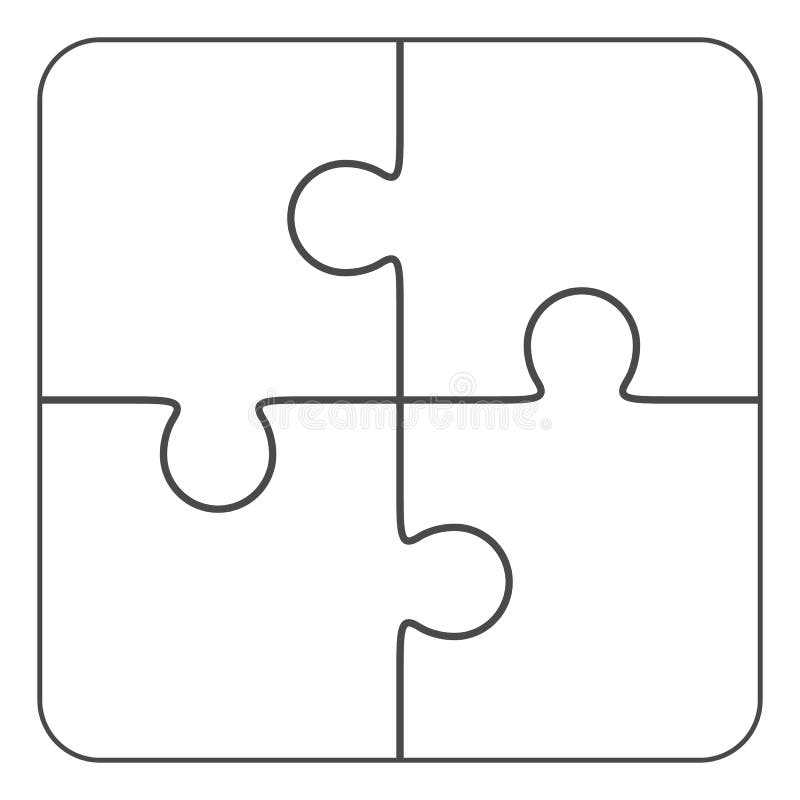
To create your own puzzle, begin with a design that suits the age group you’re targeting. For young children, simple shapes or familiar images work best, while more intricate designs can be used for older users. The fewer pieces you have, the easier the puzzle will be to assemble, so start with a smaller grid for younger learners.
For best results, choose a sturdy material like cardstock or thicker paper. Thin paper will not hold up well over time, especially with frequent handling. Using a more durable option ensures that the puzzle holds together during use without bending or tearing easily.
Once you’ve selected your material, print your chosen image onto it. Make sure the design fills the entire space so that every piece has a part of the image. This helps maintain continuity when assembling the puzzle. A full-color print with contrasting sections makes the puzzle easier to complete and more visually engaging.
Cutting your puzzle into segments requires precision. A craft knife and cutting mat allow for more accuracy compared to scissors. If you’re making smaller pieces, using a craft punch or stencil can help keep each segment uniform in size, especially if you’re creating multiple puzzles for a group activity.
If you want to make your puzzles more durable, consider laminating the cut segments after they’re printed and cut out. This adds extra sturdiness and prevents them from getting damaged. Laminated puzzles are also easier to clean, making them ideal for younger children who may handle them with sticky fingers.
To add an educational element, include letters, numbers, or words on each segment. This encourages learning while playing. For example, you can create a puzzle with the alphabet, where each piece represents a different letter. Assembling the puzzle becomes a fun way to reinforce letter recognition or spelling skills.
Another option is to use themed puzzles for special occasions or subjects of interest. For example, a puzzle featuring animals, geographical maps, or historical landmarks can be a fun way for children to learn about these topics. Themed puzzles can also be a great activity for parties or holiday gatherings.
Once your puzzle is complete, store the segments in an organized way, such as in a labeled envelope or box. You can even label each segment with a letter or number to make reassembly easier for younger players. This not only keeps the puzzle neat but also helps with organizing multiple sets if you create different puzzles for different occasions.
How to Create Custom Printable Puzzles at Home
Start by choosing a high-quality image that works well when divided into smaller segments. Bright, bold designs with distinct areas are easier to assemble, while intricate or blurry images may cause confusion during the build.
Next, decide on the size of the segments. For beginners, larger segments with fewer pieces are easier to handle. If you’re creating puzzles for children, consider making fewer, larger shapes, while for older audiences or more challenging puzzles, use more segments of smaller size.
Once you’ve chosen your design and size, print the image onto durable paper. Cardstock is ideal as it’s sturdy and provides enough support for cutting. Avoid thin paper, which will tear easily when handling the segments.
After printing, use a pencil and ruler to outline where you will make cuts. This will ensure the pieces are uniform in shape. If you prefer precision, you can use a template or pre-made puzzle pattern to guide the cuts and ensure consistency.
Cut the segments carefully using a craft knife or scissors. If you’re aiming for clean, straight edges, a ruler will help. For more intricate cuts, like curves or interlocking shapes, using a craft knife will provide more control over the design.
For an added level of fun, consider numbering each segment on the back. This allows you to guide users through the puzzle step by step if needed, and also helps with organization if you’re creating multiple puzzles at once.
If you want your puzzle to be more durable, laminate the segments after cutting them out. This prevents the pieces from bending or tearing and makes them easier to clean, especially when working with younger children who might handle them carelessly.
Lastly, store the puzzle segments in a labeled bag or box to keep them together and prevent pieces from getting lost. You can also create a matching storage solution by placing a picture of the completed puzzle on the outside of the box for easy reference.