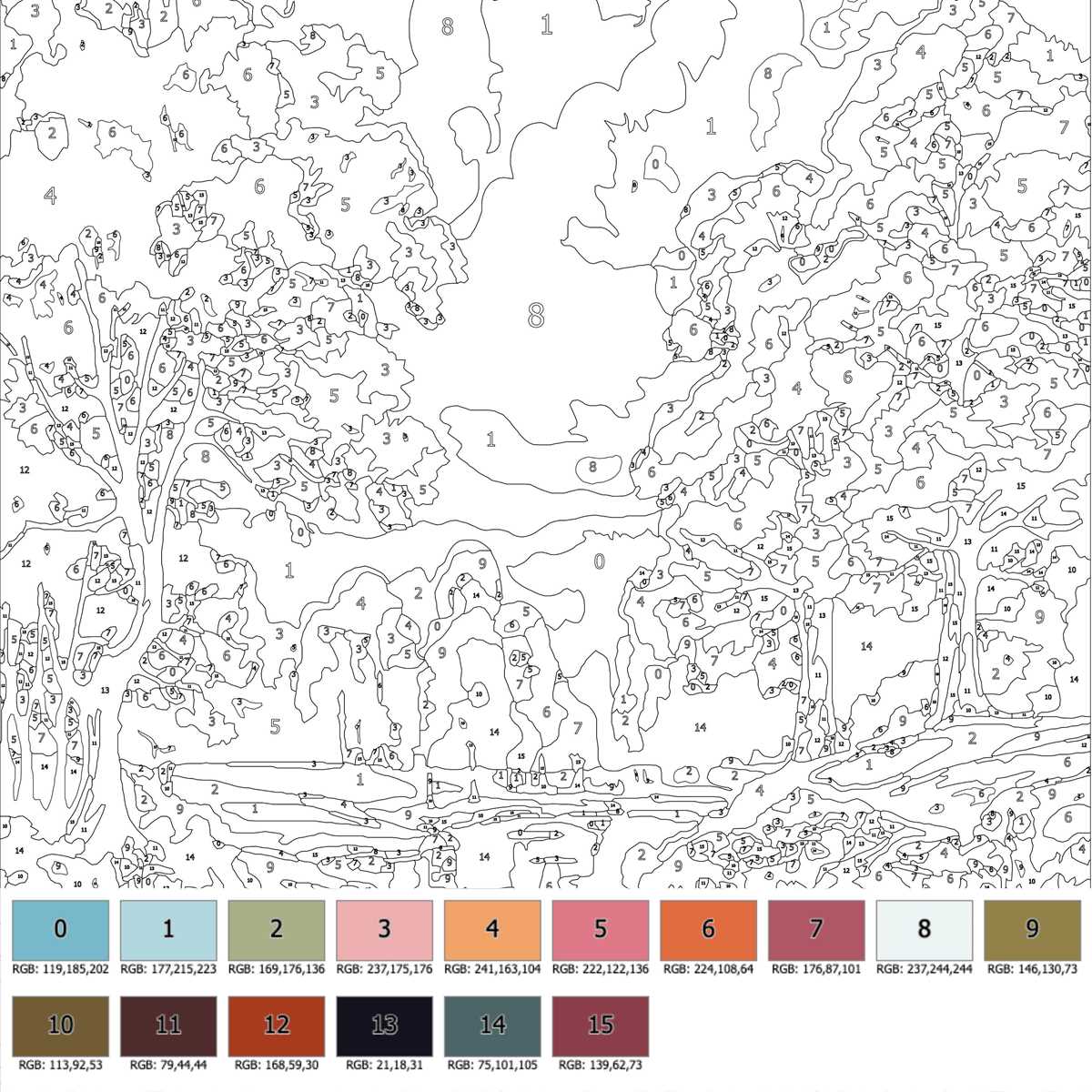
Start by selecting detailed designs that fit your interests and skill level. Intricate patterns, such as mandalas or nature scenes, offer a soothing and meditative experience, while simpler designs can be relaxing and enjoyable without feeling overwhelming. Opt for designs with clear outlines and varying levels of difficulty, ensuring you can start easy and work your way up to more complex artwork.
Once you’ve chosen your design, gather the materials you’ll need. High-quality markers, pencils, or gel pens can make a significant difference in the final result. Consider choosing colors that align with your mood or create a theme, such as soft pastels for a calming effect or bright hues for an energizing experience. The right tools will help you achieve a satisfying outcome and maximize the therapeutic benefits of the activity.
For a truly personalized experience, you can print multiple sheets of your chosen designs, ensuring a continuous outlet for creativity. Whether you plan to frame the finished pieces or simply enjoy the process of filling in shapes, these activities provide an excellent way to unwind and explore your artistic side.
How to Get the Most Out of Guided Art Sheets
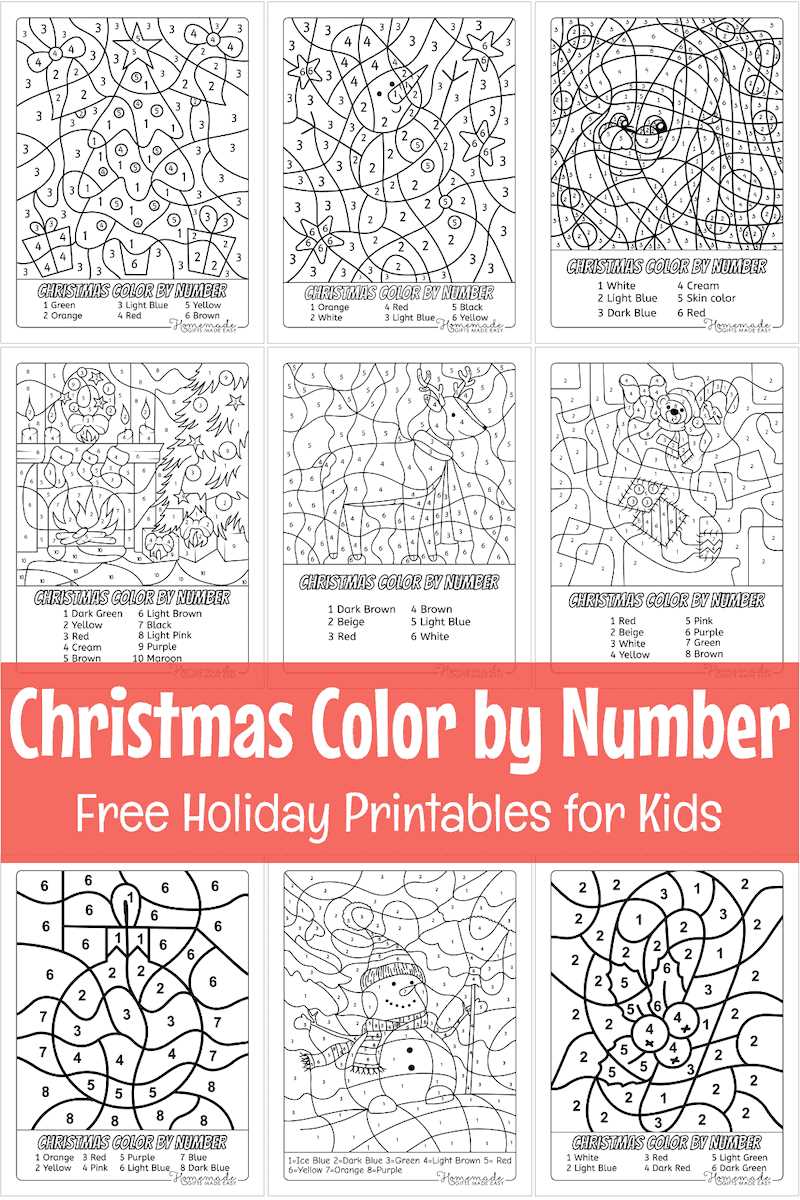
Choose designs that offer intricate patterns but aren’t overwhelming. Look for ones with a balanced structure, where each section is distinct yet simple enough to enjoy filling in. Many designs offer themes like nature, abstract art, or even famous landmarks. Selecting a design based on your personal interests can make the experience more engaging and relaxing.
Prepare your tools by selecting high-quality markers, pencils, or pens. For the best results, choose colors that complement each other, allowing you to experiment with different shades. The activity becomes more satisfying when you pay attention to small details, such as blending or using contrasting colors. As you fill in the spaces, focus on the rhythm and flow of the process, allowing your mind to relax and unwind with each stroke.
Choosing the Right Color by Number Designs for Adults
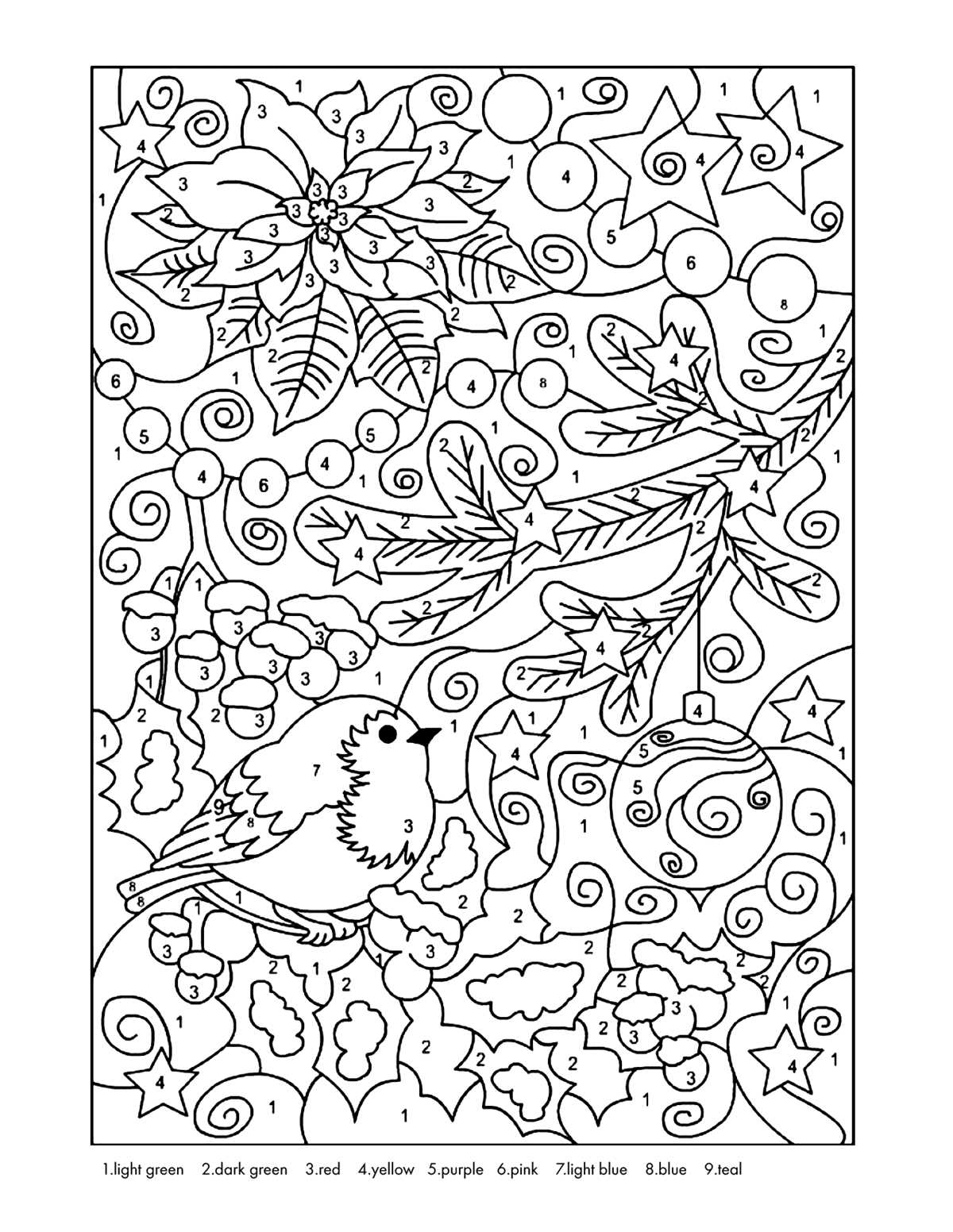
Start by selecting patterns that suit your personal taste. Opt for themes that resonate with your hobbies or interests, such as nature scenes, animals, or abstract compositions. These can make the activity feel more enjoyable and tailored to your preferences, adding a sense of purpose to the process.
If you’re looking for a challenge, consider designs that feature intricate details or a variety of sections. These will require a bit more focus and time, providing a more immersive experience. Be mindful, though, of overcomplicating things; it’s important to find a balance between difficulty and enjoyment to prevent frustration.
Look for designs that offer a diverse range of hues. Some templates are too simplistic with only a handful of colors, while others may offer a broader palette. If you’re someone who enjoys blending shades or experimenting with combinations, choose a design that encourages this, providing flexibility in how you approach the artwork.
Keep in mind the size of the design. Larger compositions can be quite satisfying, but they may take longer to complete. On the other hand, smaller patterns can be a quick and rewarding way to relax, without feeling the pressure of a long-term commitment.
Lastly, make sure the design has a clear and easy-to-follow guide. Good templates will offer clearly labeled sections and a corresponding color code, making the process smooth. Ensure the lines are defined well enough to avoid confusion while filling in, allowing you to stay focused and engaged throughout the activity.