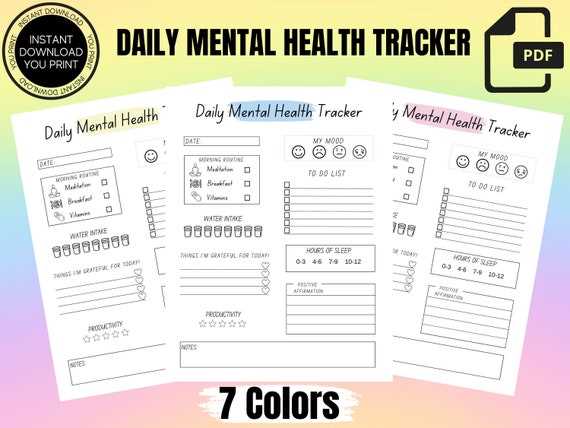
Start by creating a simple daily chart where you record your feelings and energy levels. This will allow you to quickly identify patterns and triggers. Use a scale, such as 1-10, to rate your emotional state each day. You can also add columns for specific factors like sleep, diet, or exercise, which often influence how we feel.
Incorporate specific notes to help with reflection. For example, jot down what happened that day or what might have affected your feelings. This practice can be a powerful way to see connections between external events and emotional shifts. Over time, you’ll start to notice trends, whether it’s a particular activity or time of day that influences your well-being.
Use this visual log to spot recurring patterns. Are there specific weeks where your emotions drop? Is there a certain habit or stressor that consistently affects your state? Analyzing this data can provide insights into areas of your life that might need adjustment, whether it’s improving your sleep routine or managing stress better.
Creating an Effective Emotional Log
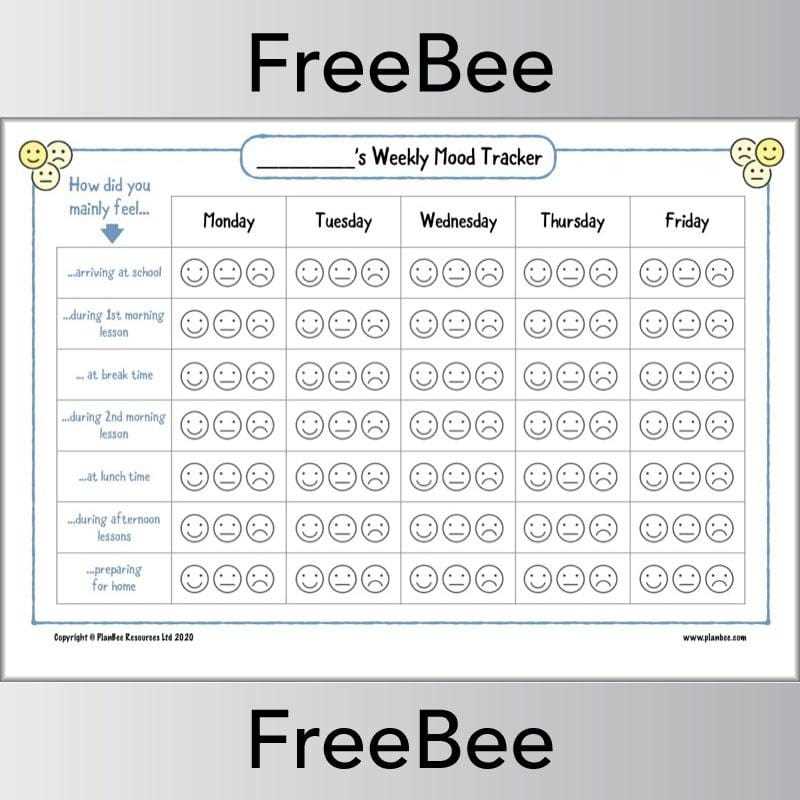
Begin by designing a simple chart to record your daily feelings and energy levels. Include a column for the date, then rate your emotional state using a scale, such as 1-10. This allows you to quickly track fluctuations over time. A simple system ensures consistency and makes it easier to spot trends.
Consider adding extra columns for factors that may affect your emotional state. For example, track sleep quality, exercise, diet, or stress levels. This data provides context and can help you understand which activities or events are linked to shifts in your feelings. A holistic approach will give you a clearer picture of what influences your well-being.
It’s helpful to write brief notes about specific events or situations each day. These notes could explain why you felt a certain way, whether it was due to a stressful workday, social interaction, or a personal accomplishment. By looking back at these annotations, you can identify patterns and correlations that may not be immediately obvious.
Over time, use your log to recognize recurring emotional states and their triggers. If you notice a dip in well-being during specific days of the week or after certain activities, consider making adjustments. This could mean changing habits, adding self-care routines, or managing stress more effectively. The key is to use the data to gain control and create positive changes.
Analyzing your emotional log monthly can also help you spot long-term patterns. Track progress in areas that matter most, such as better sleep or increased physical activity. By recognizing what’s working and where improvements are needed, you can take actionable steps toward creating a balanced daily routine.
How to Create a Printable Tracker for Daily Use
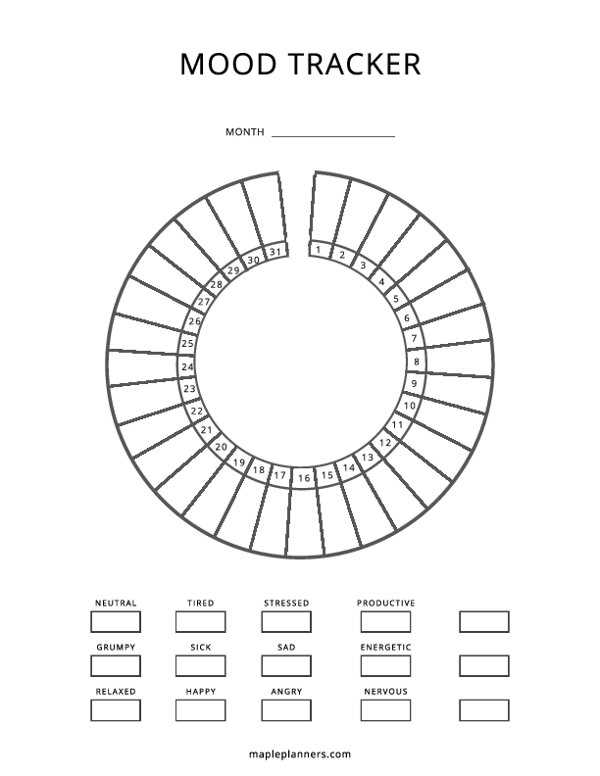
Start by designing a simple chart with rows for each day of the week. Include columns for different aspects like feelings, energy levels, and any events that may have influenced your emotional state. This structure will allow you to track and compare patterns easily.
Use a rating system from 1 to 10 for your emotional state, and ensure you leave enough space to add personal notes about what triggered your feelings. These annotations will provide valuable context and help you reflect on the correlation between daily activities and how you feel.
Finally, make sure the design is visually appealing and easy to use. You can customize it with colors or sections that resonate with you, but keep it simple enough to fill out daily without feeling overwhelmed. A functional layout will ensure you stay consistent in tracking over time.