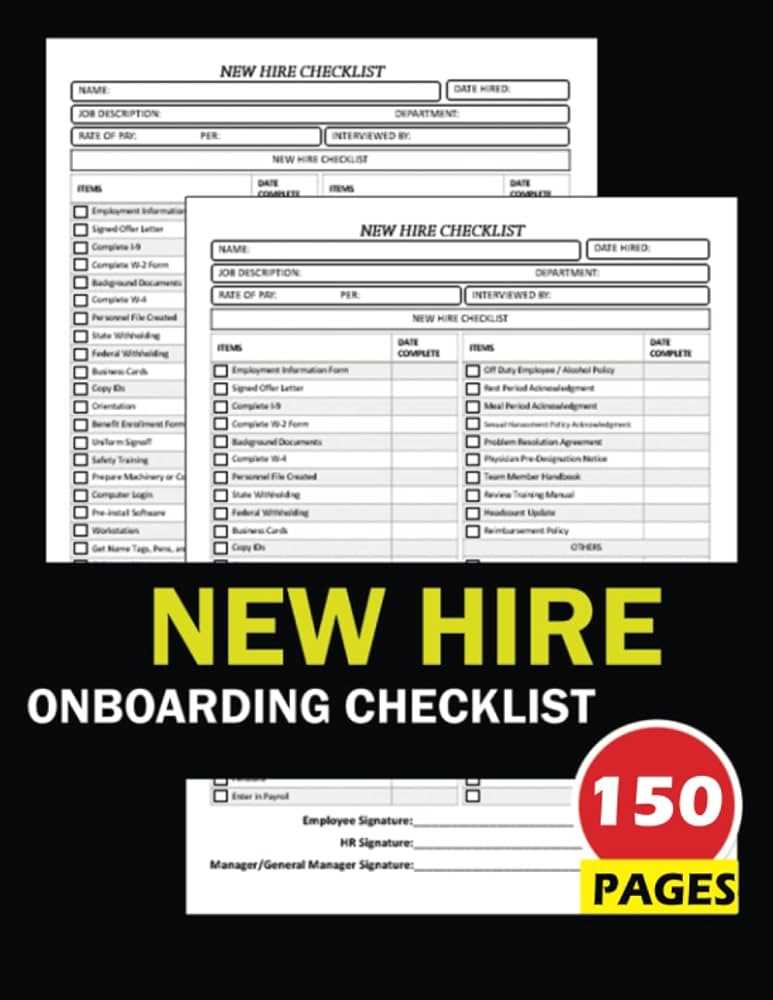
Start by organizing the first few days of a team member’s experience. A clear and simple document outlining necessary tasks can make the onboarding process smoother for both managers and staff. Include sections for completing paperwork, setting up accounts, and familiarizing with the company culture to ensure that no step is overlooked.
List the necessary tools and resources that the individual will need. For example, assign them workstations, provide access to software, and ensure they have login credentials. This helps eliminate confusion and sets the stage for a productive start.
Make sure to include personal introductions with key team members. This not only fosters a welcoming environment but also helps the new hire establish important connections. A checklist can include details about meetings, shadowing opportunities, and training sessions to support a smooth transition into the company’s daily operations.
Creating an Effective Onboarding Document
Begin by listing all the critical administrative tasks the individual must complete. This includes submitting personal details for payroll, completing tax forms, and reviewing company policies. By organizing these tasks in a logical order, you avoid leaving out any necessary paperwork, ensuring the person is ready to start their role without delays.
Include steps for setting up the work environment. Ensure that all necessary technology is provided, including computers, access to internal systems, and other tools they’ll need to be productive. Also, don’t forget to provide access to communication platforms like email or team collaboration tools, and ensure all security protocols are explained clearly.
Ensure there is a section for training and introductions. Include key dates for mandatory training sessions or orientation programs. Having the training structured on paper makes it easy for the individual to follow and helps both parties track progress throughout the onboarding phase.
Consider adding a section for team introductions. An important part of settling into a new role is getting to know coworkers. Incorporate steps for meetings with team members, department heads, or even scheduled casual lunches to help the individual feel welcomed into the organization’s culture.
For remote workers, outline the technical setup required for a virtual workspace. This could include instructions for connecting to company servers, setting up video conference tools, and guidelines for remote work etiquette. Being clear about these requirements from the start will prevent unnecessary frustration and confusion.
Lastly, wrap up the document with a follow-up schedule. Set clear expectations for performance reviews and check-ins during the first weeks. This ensures both the supervisor and the person feel supported as they settle into their role and gives them a clear understanding of what comes next in the onboarding process.
How to Create a Custom New Employee Onboarding Checklist
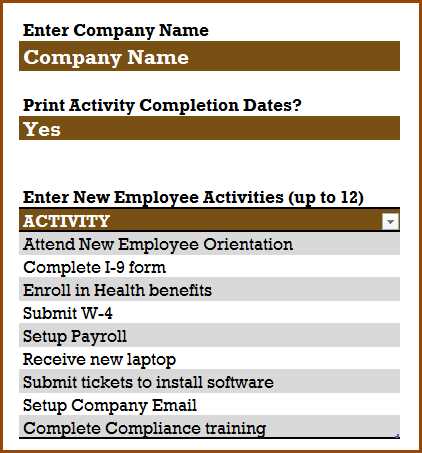
Begin by outlining the most important tasks the individual must complete during their first week. Start with administrative tasks such as completing HR forms, setting up direct deposit, and reviewing company policies. This will ensure that all necessary paperwork is processed before moving on to training and other duties.
Include setup instructions for tools and software. Provide a step-by-step guide for accessing work-related systems like email, document sharing platforms, and time-tracking tools. This will save time and prevent confusion for the individual when they begin using these systems.
Provide specific dates for scheduled meetings or training sessions. Having a timeline ensures both the individual and the team are aligned on what needs to happen during the initial phase. Include details about who to meet, what resources to bring, and how to prepare for each session.
Make space for team introductions and company culture. Organizing short meet-and-greets with key members or departments can help them feel more comfortable. Additionally, include details about company values, team structures, and internal communication methods so the person can integrate quickly into the workplace.
Lastly, don’t forget to add follow-up tasks. After the first few days, schedule a check-in meeting to assess progress and address any questions. This will allow you to adjust the process for future team members and ensure the transition is as smooth as possible for all parties involved.