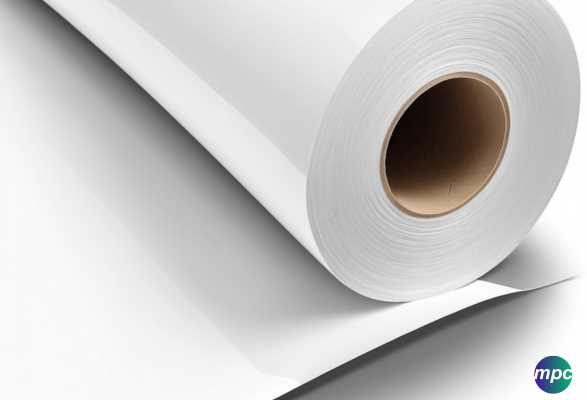
If you’re looking to print on a durable material that offers both flexibility and high-quality results, opting for a synthetic sheet designed for printing is a smart choice. These sheets are perfect for creating long-lasting designs and can be easily customized with various printing methods.
For best results, ensure that the material you choose is compatible with the printer you have, as some require specific inks or settings to ensure the design adheres properly. Consider using a material that offers high resistance to wear and tear, making it ideal for projects that need durability and strength.
When selecting this type of material, look for options that allow for both vibrant color reproduction and sharp details. Whether you’re creating labels, signs, or unique designs, having the right base material can elevate the overall outcome of your project. Additionally, make sure the material is suitable for the environment it’s intended for, such as outdoors or indoor use, depending on your specific needs.
Printable PVC Film Usage Guide
For successful printing on synthetic sheets, first ensure your printer is compatible with the material. Inkjet printers are generally the most common for this purpose, but specific models may require special settings for optimal adhesion. It’s crucial to check the manufacturer’s instructions for ink compatibility and recommended temperature settings.
When preparing your design, opt for high-resolution images to ensure sharp and clear prints. Low-quality images can lead to blurry or pixelated results, reducing the overall quality. Make sure the image size matches the dimensions of the material you are using, as stretching or compressing can distort the design.
Before printing, clean the surface of the material to remove any dust or particles. Even small contaminants can negatively impact the adhesion of the ink. A lint-free cloth or mild cleaning solution can help ensure a smooth surface for optimal printing results.
After printing, allow the material to dry completely. Even though modern inks dry quickly, ensuring full dryness helps prevent smudging or bleeding, especially when handling the material. Consider leaving it for at least 30 minutes to an hour before further processing.
If you are using this for outdoor applications, ensure that the ink and material are rated for UV resistance. Certain synthetic sheets are better equipped to withstand the sun’s rays without fading or deteriorating. Look for UV-resistant options if your project will be exposed to sunlight.
Cutting the printed material to shape can be done with a sharp pair of scissors or a craft knife. For larger, more precise cuts, a rotary cutter may provide a smoother edge. Be sure to use a cutting mat underneath to protect your workspace.
For added durability, consider laminating the printed sheets after cutting them. Lamination can protect your prints from wear and tear, especially in high-traffic areas or environments where they might be exposed to moisture or abrasion.
Finally, test your printed design by placing it in the intended environment to ensure the material maintains its integrity over time. If used for signage, for example, observe how it holds up to elements like humidity, temperature fluctuations, and physical contact. This will give you insight into whether any adjustments need to be made for future projects.
How to Select the Right Printable PVC Film for Your Project
When selecting the appropriate synthetic sheet for your task, the first factor to consider is the intended use. For indoor projects, lightweight options will suffice, but outdoor applications may require more durable, weather-resistant material. Ensure that the sheet is designed to withstand environmental factors such as rain, sun, and temperature variations.
Next, assess the thickness of the material. Thicker sheets provide more durability but can be more challenging to print on. For fine details and intricate designs, choose a thinner variant that allows for precise printing. However, thicker materials offer better resistance to wear and tear.
The surface texture plays a significant role in the quality of the print. Some materials have a smooth surface, ideal for vibrant color reproduction, while others are matte, providing a more subtle finish. Depending on your project’s desired look, choose a finish that complements the design and print style you intend to use.
If you’re planning to use a specific type of ink, check for compatibility with the sheet. Not all synthetic surfaces work well with every ink type. For instance, dye-based inks may not bond properly with some materials, whereas pigment-based inks are generally more versatile. Always confirm compatibility with the manufacturer before purchasing.
For applications that require flexibility, such as labels or custom packaging, opt for a flexible material that bends without cracking. On the other hand, if you’re working on signage or rigid displays, a more rigid option will provide sturdiness and longevity.
Consider the sheet’s print resolution capabilities. Some options are optimized for high-resolution printing, while others are better suited for large prints with less detail. High-quality prints benefit from materials that support fine details, so choose a variant that matches your printing needs.
Environmental factors such as UV resistance and moisture resistance are important for outdoor applications. Materials that resist fading under direct sunlight or water exposure will prolong the life of your prints, especially if the final product is meant to be displayed outside for extended periods.
Lastly, always check the material’s ease of handling. Some synthetic sheets are easier to cut, shape, or laminate than others. Choose one that fits the level of manipulation required for your project, whether it’s cutting to specific dimensions or applying protective coatings.