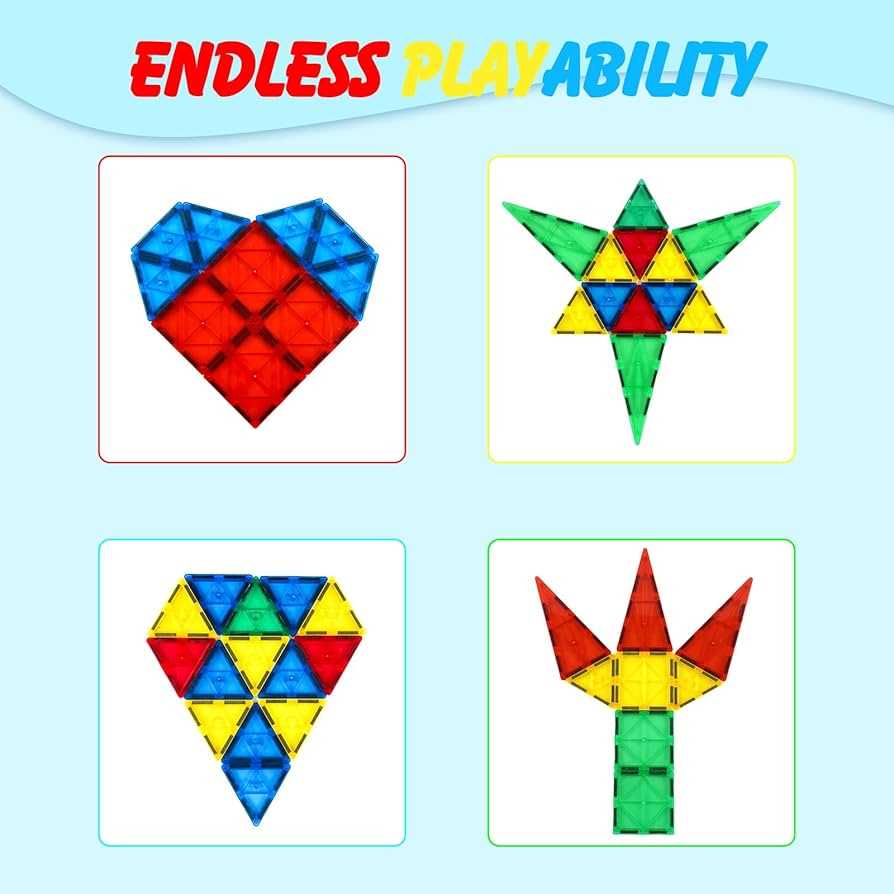
Start by printing templates designed to create specific structures or challenges using colorful building blocks. These layouts can inspire kids to build models that match the provided designs or encourage them to modify and invent their own versions. Print the templates in various sizes to accommodate different skill levels, from simple shapes for younger children to complex architectural designs for older kids.
To make learning more interactive, include printable instructions that guide children through the steps of creating specific objects, such as bridges, towers, or geometric shapes. These instructions can also introduce basic concepts of geometry, symmetry, and balance as children experiment with construction. For a fun twist, you could print various pattern templates for building fun and functional objects, like cars or houses, that the child can complete with the blocks.
For a creative twist, consider printing artwork or designs that can be reproduced with the blocks. These designs might range from animals and plants to abstract patterns that challenge children’s artistic abilities. With these templates, they can replicate artwork or simply draw inspiration from it to create their own unique pieces. This encourages both creativity and problem-solving as kids figure out how to align the blocks to match shapes or create new patterns.
Building with Blocks: Structured and Fun Projects
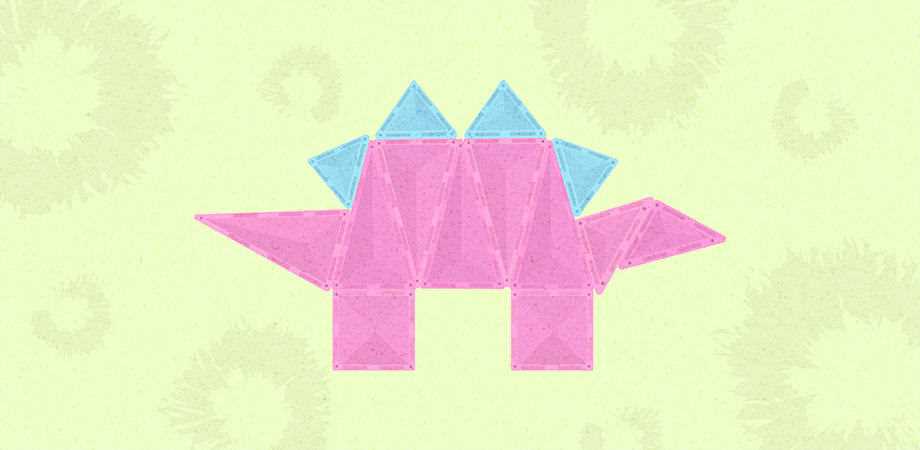
Start with basic geometric shapes like squares, triangles, and rectangles to teach kids how to build sturdy structures. These shapes can be combined in various ways to create towers, houses, or even bridges. The key to success is using simple templates to guide the building process. By following these templates, children learn about symmetry, stability, and how different shapes work together to form larger structures.
For a more complex project, you can print a grid or blueprint of a building design. This provides kids with specific measurements and angles to replicate, helping them develop an understanding of how architects work. The blueprints could feature designs like castles or even cities. Kids can then recreate the entire design or experiment with their own ideas based on the printed guide.
Print designs for creating intricate patterns or mosaics using the blocks. These printable patterns could range from abstract designs to recognizable images, like animals or flowers. As kids fill in the printed shapes, they’ll practice pattern recognition and fine motor skills. It also encourages creative thinking, as children can modify the designs or build on the ideas provided.
Consider adding educational elements to the printed templates. For example, you can print instructions to build a specific object, like a bridge, and use it as an opportunity to introduce basic physics principles like balance and force distribution. This approach encourages kids to think critically about how objects support weight and how to make their creations more stable.
Another engaging idea is to print templates for designing vehicles. Whether it’s a simple car or a more complex airplane, kids can use the blocks to assemble models based on the printed blueprints. The activity can be expanded by creating a story or mission around the vehicle, helping children build both creativity and problem-solving skills as they bring their designs to life.
If you want to engage older kids, challenge them with 3D designs or complex architectural models that require more planning. Print step-by-step instructions for more detailed creations, like a multi-level building or a themed structure, such as a spaceship or a fortress. This allows children to approach the building process with a more advanced understanding of geometry and space management.
Finally, for seasonal or themed activities, create holiday-inspired designs or custom decorations that can be assembled using the blocks. For example, you could print templates for creating Christmas trees, Halloween haunted houses, or birthday decorations. These projects can be a fun way to combine craft skills with play while providing kids with hands-on building activities that celebrate different times of the year.
How to Create Educational Structures Using Building Blocks
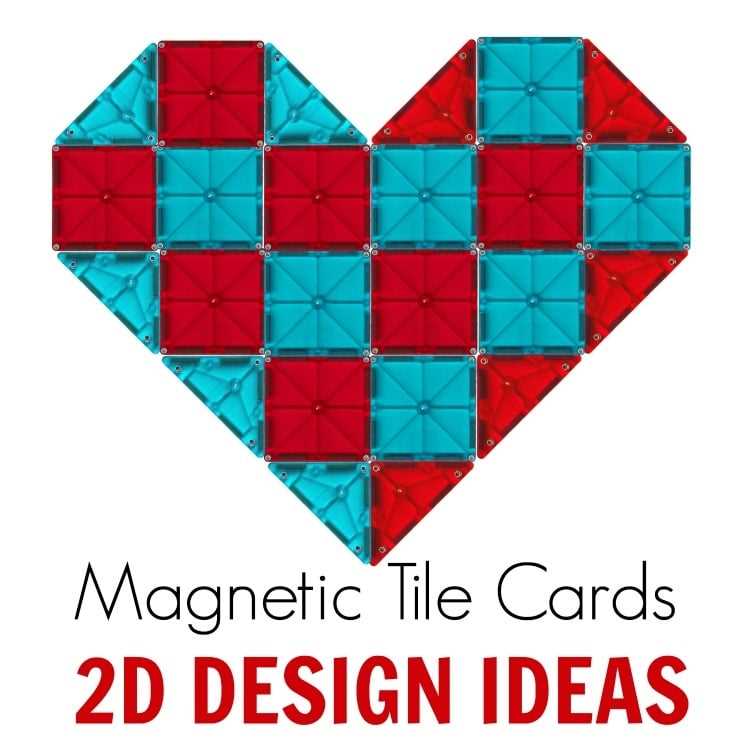
To build structures that teach spatial awareness, start with basic shapes like squares and triangles. Use the shapes to form simple designs like walls, bridges, or even geometric patterns. These foundational structures will help children understand how different shapes fit together to create a larger whole. Encourage children to experiment with the arrangements of these shapes to form stable and durable designs.
Incorporate educational themes into your designs. For example, create models of famous landmarks, such as the Eiffel Tower or the Pyramids of Egypt. Provide instructions for constructing these models, guiding children through the process of building the structure step by step. This will not only teach them about the importance of balance and symmetry but also introduce them to the history and architecture behind these iconic landmarks.
Another great way to integrate education is by constructing simple machines, such as levers or pulleys, using the blocks. Through these projects, children can learn basic engineering principles like force and motion. Encourage them to use the blocks to explore how different machine parts work together to achieve a goal, such as lifting a load or moving an object. This hands-on approach makes learning these scientific concepts more engaging and accessible.