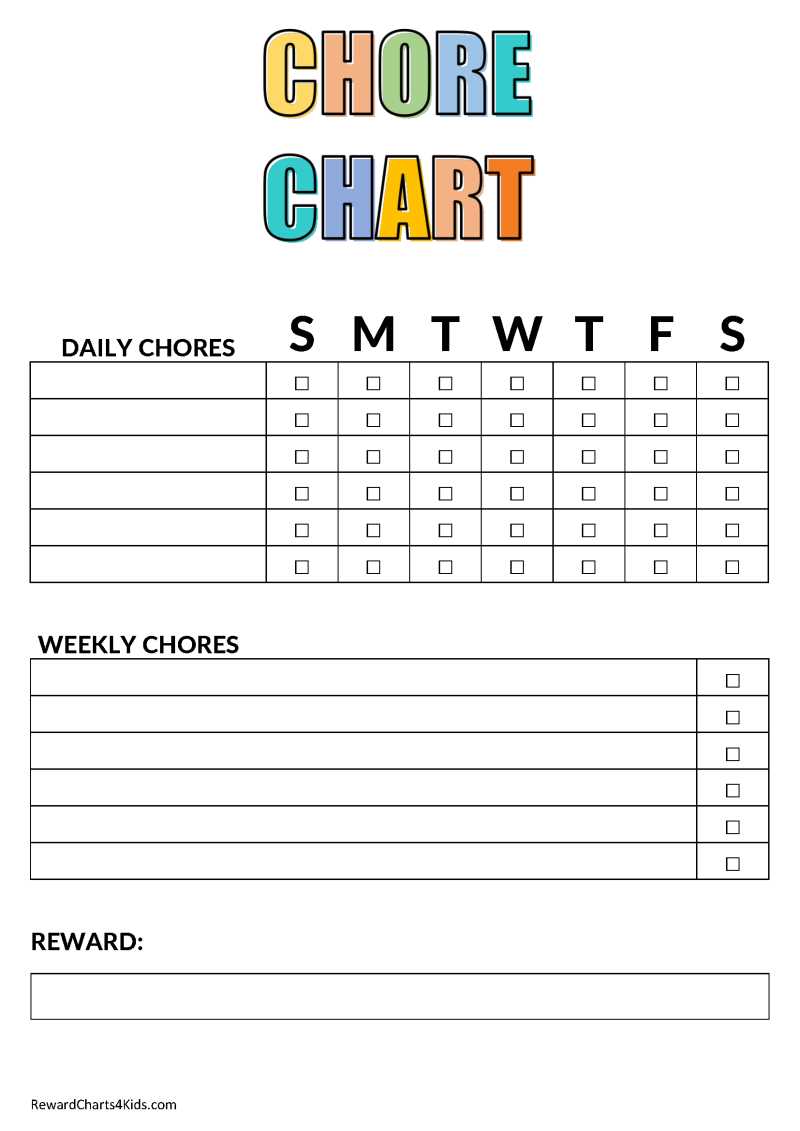
Start by selecting a template that allows you to easily monitor and encourage consistent progress. A good layout should have sections to mark goals, milestones, and rewards. Look for options with clear spaces for marking achievements and a simple design that makes tracking straightforward.
Once you’ve picked a design, make sure it aligns with your objectives. Whether you’re using it for personal goals, managing children’s behavior, or creating a fun incentive program, ensure that the categories match what you need to track. The more tailored it is, the better it will serve your purpose.
For maximum motivation, consider including visual cues like stars, stickers, or progress bars. These can make the experience more interactive and rewarding. You can also print multiple copies for each week or month, keeping the focus on continuous improvement and celebrating small successes.
How to Use a Goal Tracking Sheet for Better Motivation
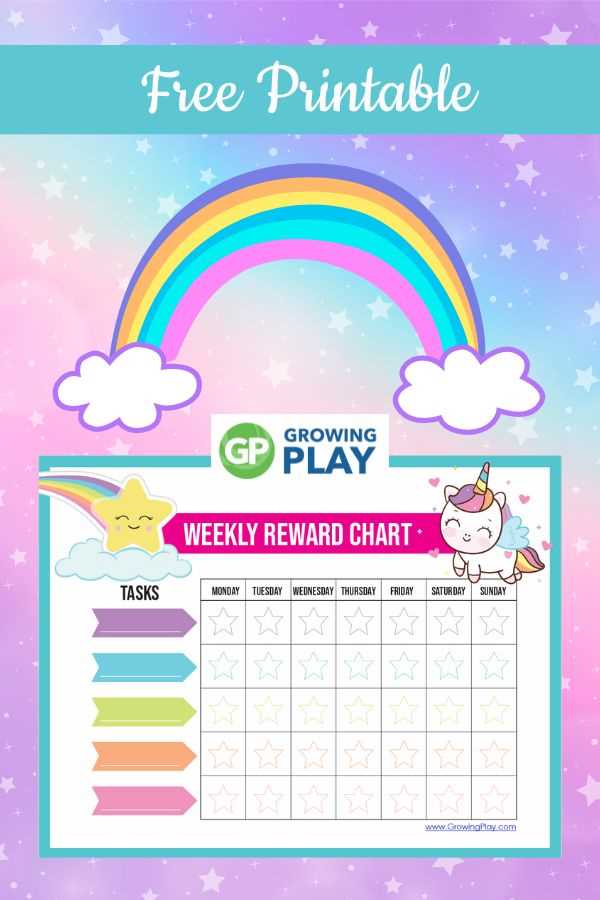
To get the most out of your tracking system, start by setting clear and achievable goals. Break down long-term objectives into smaller tasks, and assign rewards for completing each step. This creates a sense of progress and helps maintain focus. Update the tracking system regularly to reflect new goals or progress, ensuring it stays relevant to your needs.
Incorporating a visual element can further enhance engagement. Use colorful markers, stickers, or symbols to represent progress, making the experience more interactive. This can be especially effective for children, as it turns the process into a fun activity while still being goal-oriented. Keeping the layout simple yet clear ensures it remains functional and easy to follow.
How to Choose the Right Tracking System for Different Ages
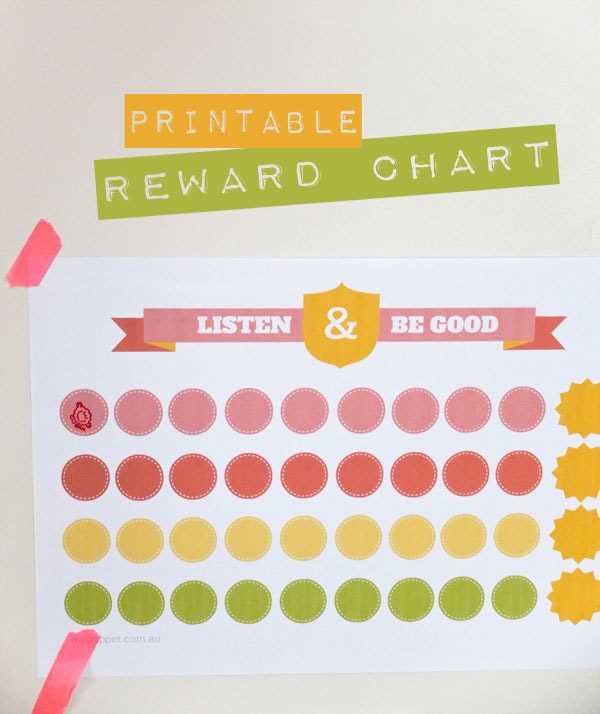
For younger children, simplicity is key. Choose a layout that features bright colors, fun symbols, and easy-to-understand goals. A simple system with basic tasks like “make bed” or “brush teeth” is ideal. Visual elements such as stars or smiley faces can be used as markers for progress, making the experience more enjoyable and motivating for little ones.
As children grow older, their goals and tasks become more complex. For school-age kids, a more detailed system with categories for different types of responsibilities–such as chores, homework, and personal habits–works well. Include spaces for both short-term and long-term objectives, and offer more structured rewards, like earning screen time or a special treat for completing multiple tasks in a week.
Teenagers benefit from systems that allow for more flexibility and customization. At this stage, it’s important to allow them to set their own goals while still providing structure. A chart that includes sections for personal achievements, like finishing a book or staying organized with schoolwork, gives them more ownership. Offering rewards that cater to their interests–such as extra time with friends or choosing a family activity–keeps them engaged.
When selecting a system for different age groups, think about how much interaction is needed. Younger kids will require more frequent encouragement and updates, while older children can track progress independently. Make sure the design matches the level of involvement required, and adjust it as your child’s needs change.
The frequency of updates is another factor to consider. For toddlers, updating their progress daily may be helpful, while for older kids or teens, weekly check-ins might be more appropriate. This helps them feel like they are consistently moving toward their goals without feeling overwhelmed.
Be mindful of the difficulty level of the goals. For younger children, tasks should be clear and achievable within a short period. For older kids and teens, provide challenges that are slightly more difficult to encourage growth and responsibility. Make sure the tasks match their skill levels and gradually increase difficulty as they become more capable.
Lastly, ensure that the reward system is meaningful and motivating for the age group you’re targeting. For young children, tangible rewards like stickers or extra playtime may be more effective, while older children might be more motivated by privileges or a reward they can choose themselves, such as a movie night or a new book. Tailoring the incentives will make the tracking system more impactful and engaging for each age group.