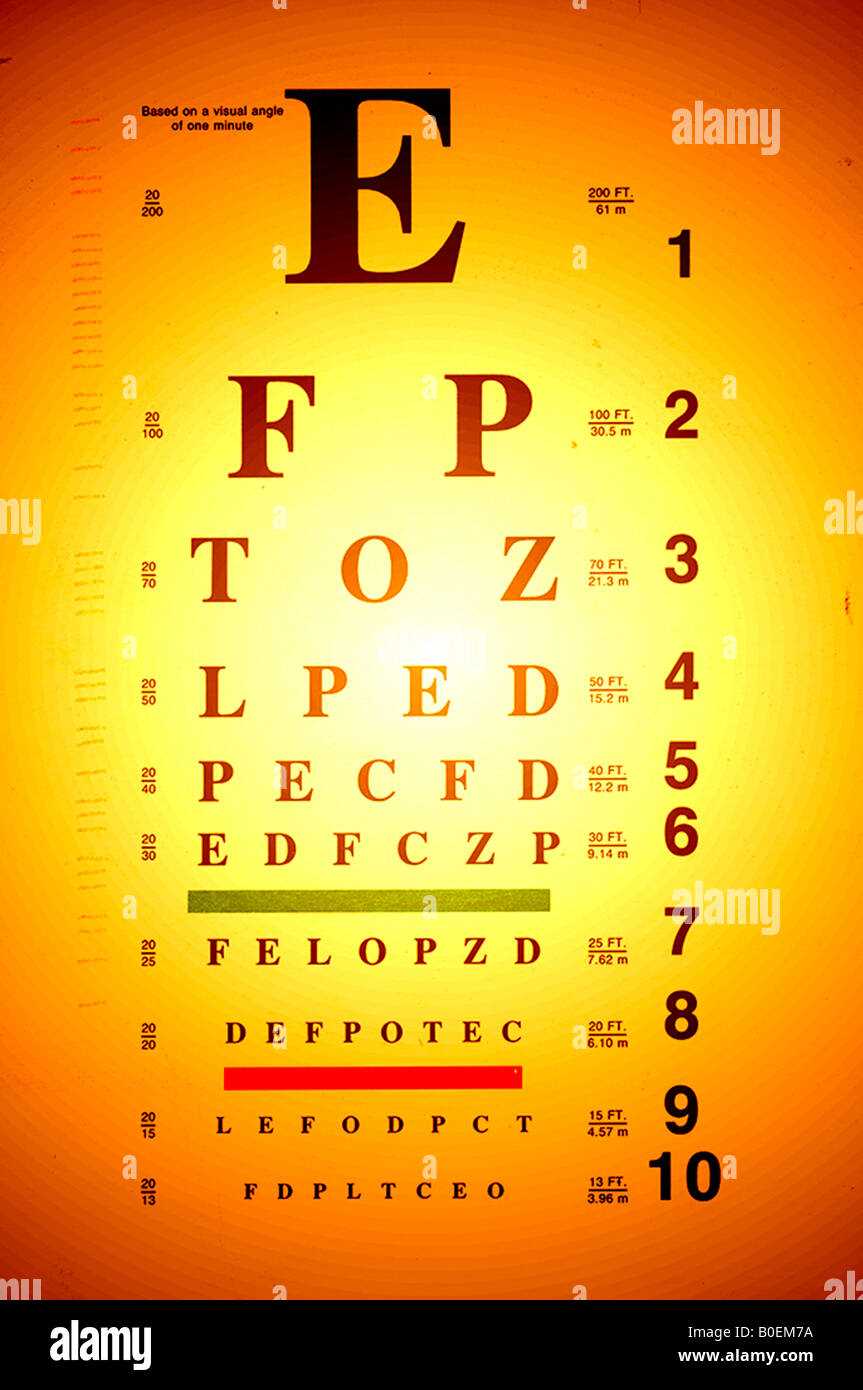
If you’re concerned about your eyesight and want a quick assessment, you can easily download and print a vision chart. These charts help determine how well you can see at different distances, and they’re a great first step before scheduling an appointment with an eye specialist.
To use the chart, simply print it on a standard sheet of paper, ensuring it’s sized correctly. Follow the instructions provided, typically involving standing a specific distance from the chart and reading the lines. This gives you a rough idea of whether you’re experiencing any vision issues that may need professional attention.
While these home tests are useful for basic screening, they can’t replace a full examination by an optometrist. However, they can serve as a helpful tool to identify any immediate issues or to monitor changes over time. If you notice difficulty with reading or identifying letters clearly, it’s a sign that you should schedule a comprehensive eye check-up.
Using a Vision Chart at Home
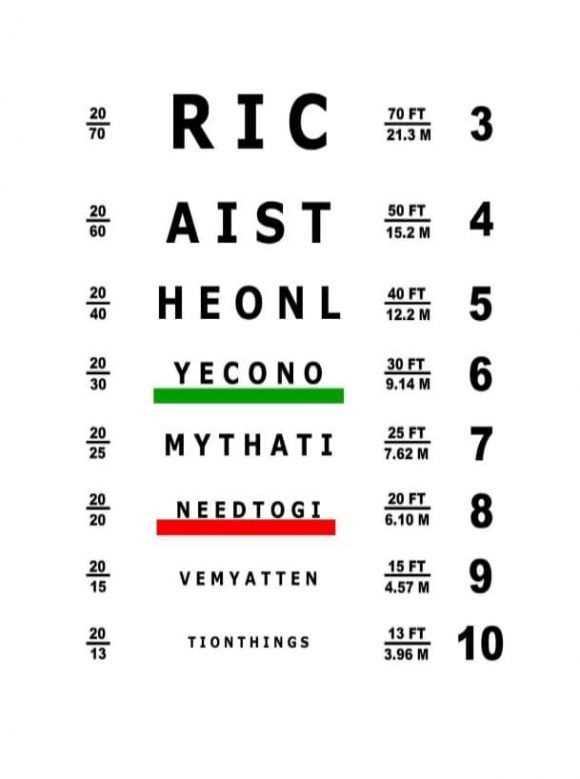
To begin, ensure the chart is printed at the correct size. For accurate results, it’s important to follow the recommended dimensions, typically found on the download page. This will ensure the measurements align with the standards used by professionals in eye care.
Next, position yourself at the proper distance from the sheet. Most charts require you to stand about 10-20 feet away, depending on the version you use. This is critical for simulating real-world conditions where you might need to read text from a distance.
Once you are in position, cover one eye and start reading the smallest line you can see. Continue with the other eye. It’s important not to guess letters you can’t clearly read. If you’re unable to identify more than a few letters on a particular line, it could indicate a need for further examination.
After completing the exercise, take note of any difficulties or inconsistencies you experienced. These may point to issues such as blurred vision or trouble with contrast. Keep track of the results for future reference or for discussion with an eye specialist.
If you notice any significant difficulty, consider scheduling a professional check-up. Although these home charts are helpful for early screening, only a full exam with an optometrist or ophthalmologist can provide a complete diagnosis.
Also, you can use the results over time to track changes. Print and repeat the chart periodically to monitor whether your eyesight is changing. This is especially useful for people who may be experiencing gradual vision changes but aren’t yet ready to visit a specialist.
Finally, remember that this method is not a replacement for professional care. While these sheets can highlight potential concerns, they should be viewed as an initial tool rather than a definitive diagnostic. Always follow up with an eye care expert if you suspect any problems with your sight.
How to Download and Print a Vision Test at Home
First, find a reliable website offering downloadable resources for eyesight assessments. Look for sites that provide PDF files, as they are easy to save and print. Ensure the source is trustworthy to guarantee accurate and well-designed materials.
Once you’ve located the correct file, click the download link and save the PDF to your device. Check the file size and ensure it’s compatible with your printer settings. Some charts may have specific instructions, such as scaling or alignment, to make sure they print correctly.
After the file is downloaded, open it on your device and review the settings. If you need to adjust the print size or paper type, do so in the print dialog box before selecting “Print.” Make sure the chart fits the page properly and doesn’t get cropped or resized unintentionally.
Next, select your printer and ensure you have enough paper. For best results, use a high-quality printer and paper to keep the chart clear and legible. Once everything is set, hit the print button to get your copy of the eye chart.
After printing, check the dimensions of the chart against the recommended measurements. This ensures that the printed chart is the correct size for use. Follow the provided instructions to place the chart at the correct distance for optimal results.