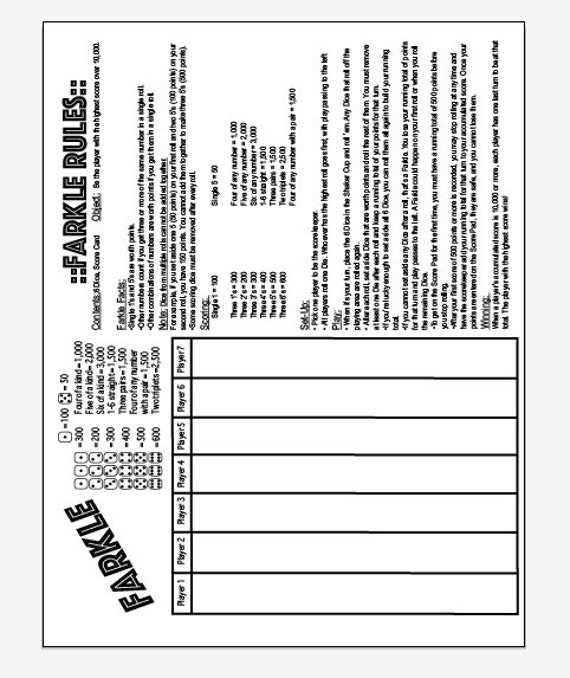
To get started with this dice game, it is important to first familiarize yourself with the scoring system and how turns are structured. The game uses six dice, and the goal is to accumulate points by rolling certain combinations. Each combination has a designated point value, and the more often you can roll those combinations, the more points you can score in a single turn. For instance, rolling three ones is worth 1000 points, while a single five can score 50 points.
Once you have a solid understanding of the scoring system, focus on the concept of “risk” in this game. Players are encouraged to take risks by deciding whether to keep rolling the dice or stop and bank their points. However, rolling too many times and failing to score in a turn will cause a “bust,” resulting in zero points for that round. Knowing when to stop and when to push your luck is crucial for mastering the game.
Finally, familiarize yourself with the additional rules for special circumstances such as multipliers, re-rolls, and any house variations. These rules can differ depending on where you’re playing or who you’re playing with, so it’s always a good idea to clarify them beforehand. By understanding the basics and nuances of the game, you can enhance your gameplay and enjoy a more competitive experience.
Printable Rules for Farkle

Each turn begins by rolling six dice. To score, you must roll at least one of the following combinations: ones, fives, three of a kind, or specific sequences. A single die showing a one scores 100 points, and a five scores 50 points. Three ones rolled at once gives the highest points, worth 1000. Other combinations such as three twos, threes, fours, fives, or sixes have specific point values too. Three of a kind in twos, for example, is worth 200 points, while three threes are worth 300 points.
If you roll no scoring dice, that turn is over, and you “bust” with zero points for that round. If you score points from your roll, you have the option to continue rolling the remaining dice, but this comes with risk. If you keep rolling and fail to score, you will lose all points for that round. This balance of risk versus reward makes each turn a gamble.
In a typical game, players take turns rolling and scoring, accumulating points until one player reaches 10,000 points. At that point, each other player has one final chance to beat the score. However, the game can be played to any set score agreed upon by the players at the start of the game.
When you roll three or more of a kind, you can add extra points to your total. For example, three fours equals 400 points. If you roll more than three of a kind, each additional die of that number adds more points, such as four fours being worth 800 points. Likewise, a pair of ones will count as an additional 100 points, and a pair of fives counts as 200 points.
A key aspect of this game is knowing when to stop. At any time during your turn, you can choose to keep your points and pass the dice to the next player. This is a safe move if you’ve accumulated a solid amount of points, and there’s no need to risk more dice rolls. The goal is to end your turn before any rolls result in no points scored, avoiding a bust.
Players can implement house rules, such as re-rolling a certain number of dice, but it’s always important to clarify these at the start of the game. Some may choose to give bonus points for specific combinations or allow re-rolls after achieving a certain threshold of points. These variations make each session of play unique.
Remember, it’s not just about the points–it’s also about strategy. Deciding whether to take risks or lock in your points early can make the difference between winning or losing. Knowing when to walk away and when to push your luck is key to becoming a skilled player at this dice game.
How to Set Up Farkle for Beginners
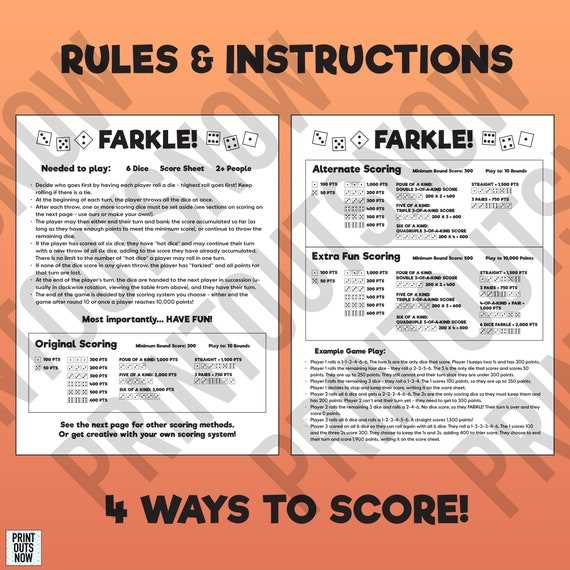
To begin, you’ll need six standard dice and a scoring sheet or method to track points. Each player takes a turn rolling the dice. The first player rolls all six dice, aiming to score based on specific combinations. It’s important to understand that scoring combinations include single dice (like ones and fives) and specific multiples, such as three of a kind or higher. If a player rolls no scoring combinations, they lose their points for that turn.
After the first roll, the player must decide whether to set aside any scoring dice and continue with the remaining dice or end their turn and keep their accumulated points. This decision will determine whether they risk further rolls or lock in their points. For example, rolling three ones will give the player 1000 points, while rolling a combination of fives and other numbers may provide fewer points.
Players will continue to take turns rolling and scoring until one player reaches a preset target, usually 10,000 points. This ensures that the game remains competitive, with each player having a chance to catch up. However, it’s a good idea to agree on a score limit before the game starts, allowing for flexibility in game length.
Each turn is an opportunity for players to strategize. After the first roll, if a player rolls scoring combinations, they can choose to continue rolling the remaining dice. The more you roll, the greater the risk of “busting” and losing points for the turn. Players can opt to stop at any time and keep their points. This adds an element of risk and strategy to the game.
When you roll three of a kind, the value of that combination is added to your score. For example, rolling three sixes gives 600 points, while three ones score a higher 1000 points. If you roll more than three of the same number, you add the extra dice to the total score. For instance, four fives would give 500 points for the initial three and 100 points for the extra die.
One important aspect of the game is knowing when to quit. If you accumulate points from your rolls, you can stop early to avoid the risk of a bust. Stopping early may seem less exciting, but it can be a safe way to ensure points are secured, especially when the game is nearing the 10,000 point mark.
Before starting, clarify any house rules with the other players. For example, some players allow certain re-rolls or bonus points for specific combinations. These variations can make the game feel fresh every time and allow for customization of the game. Always ensure everyone is on the same page regarding the rules before playing.
As you continue playing, you’ll start developing strategies. Balancing risks and rewards is the key to success. Learn to recognize when it’s worth rolling the dice again and when it’s best to lock in your points and pass the turn. With practice, the game becomes more about decision-making and less about luck, allowing for a more engaging experience for everyone involved.