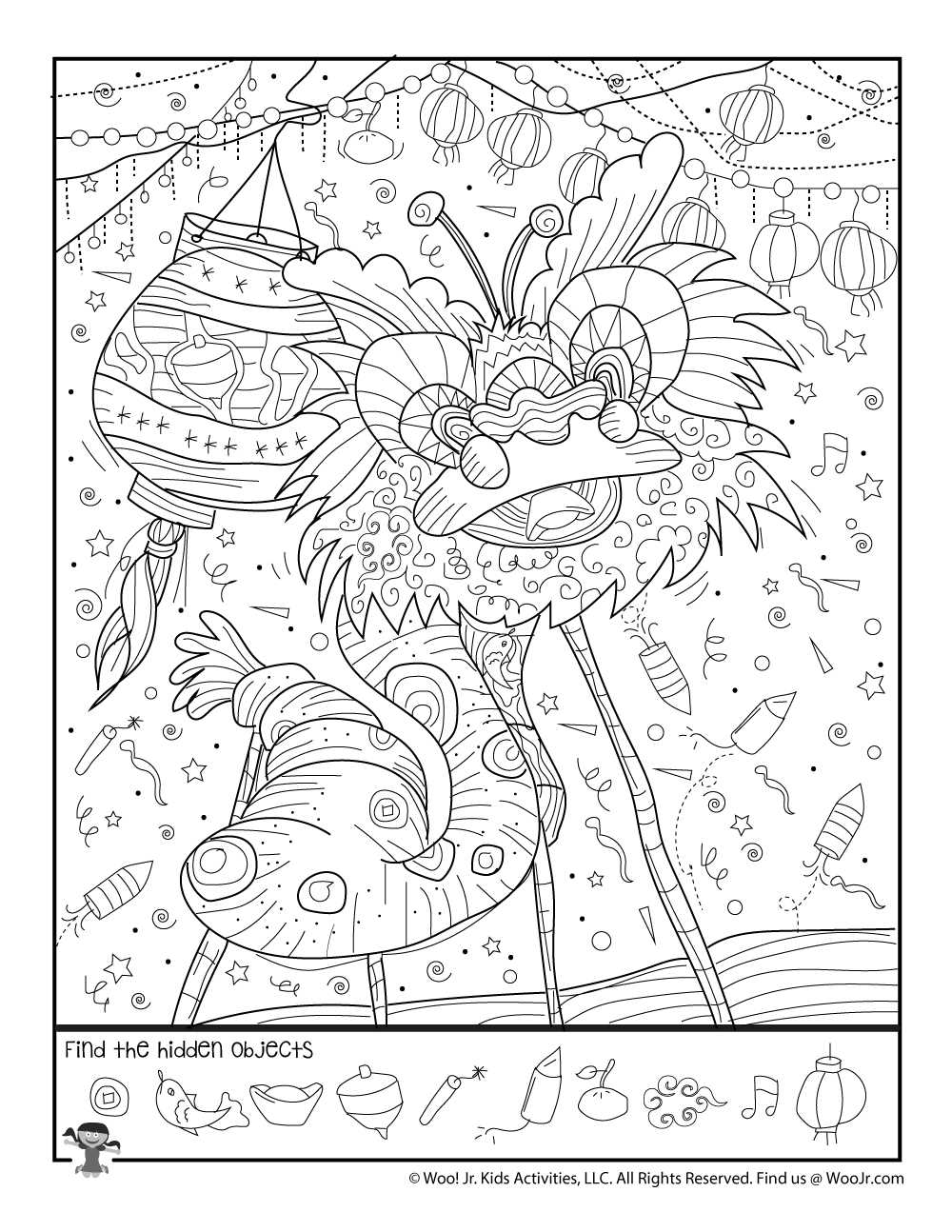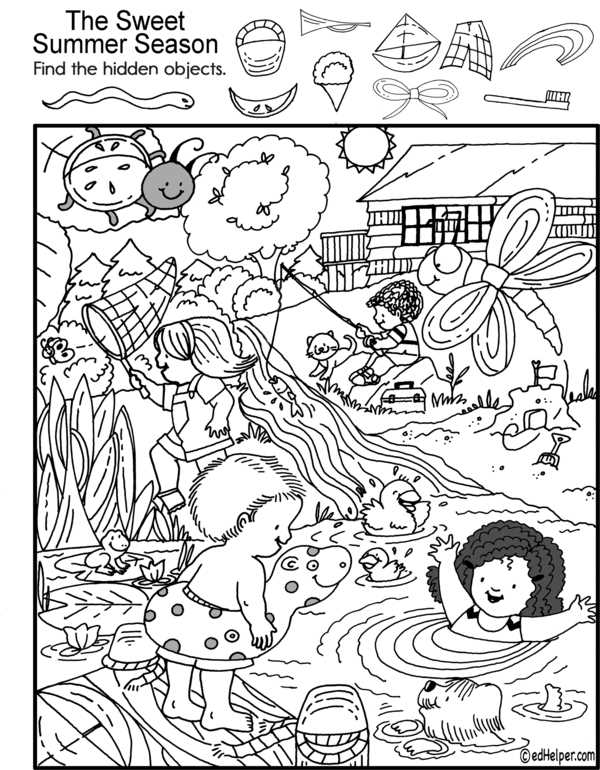
Start by creating engaging puzzles for children that challenge their observation skills. Use clear, colourful illustrations with a variety of items scattered throughout a scene. The goal is to have children spot the items hidden within the design, improving their focus and cognitive abilities.
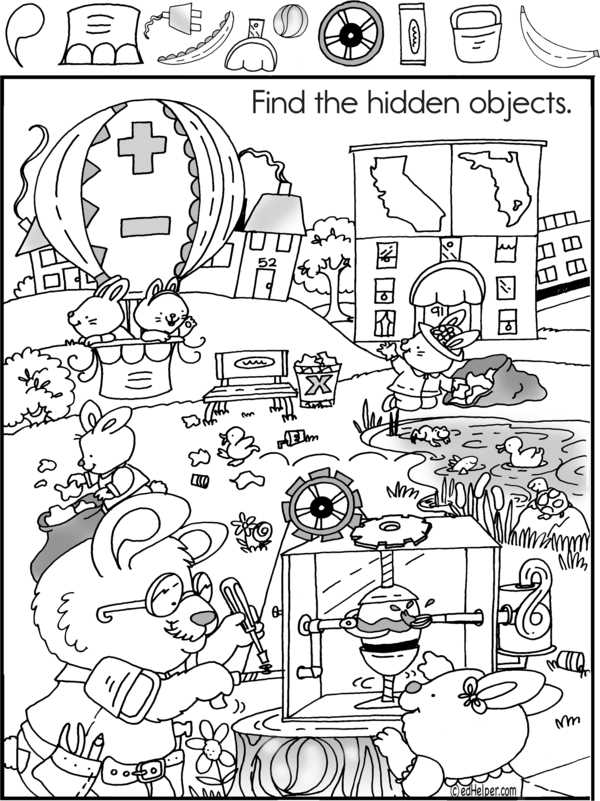
For younger kids, choose simple designs with fewer items to find, while older children can handle more complex puzzles with detailed artwork and a larger number of hidden elements. This variation will help maintain interest and cater to different skill levels.
Another great idea is to incorporate themed puzzles, such as animals, nature, or everyday objects, to make the activity more exciting and relevant to children’s interests. Themed puzzles are also useful for reinforcing vocabulary and teaching new concepts in a fun way.
Creating Fun Puzzles for Kids
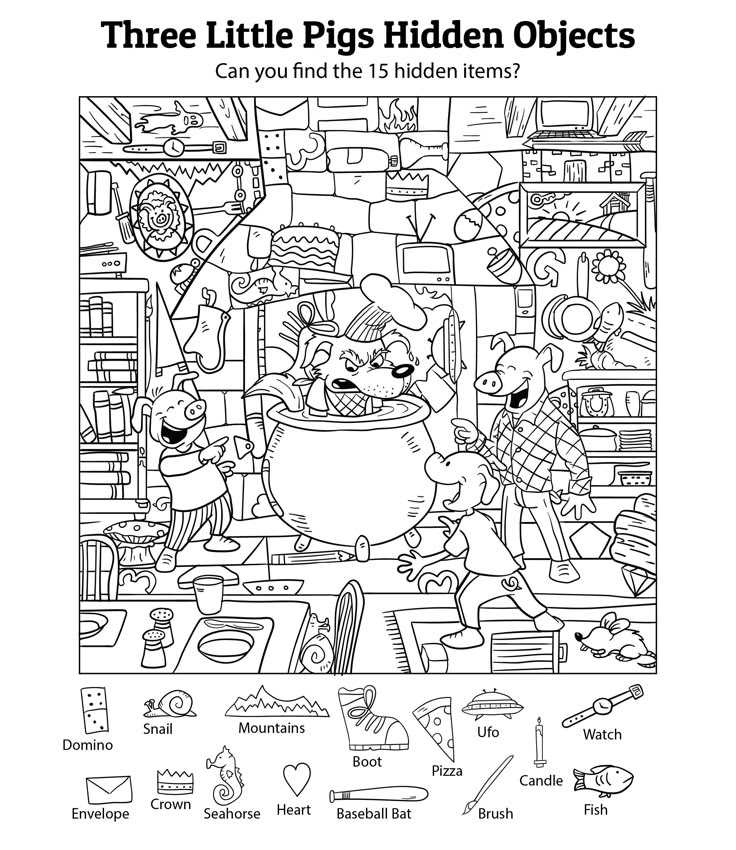
To design an engaging search puzzle, start with a clear and detailed scene that contains multiple objects to locate. Use bright, contrasting colours for the hidden items to make them stand out without overwhelming the design. Ensure the objects are spaced out in a way that encourages careful observation but doesn’t make the puzzle too difficult for young learners.
Vary the difficulty level by adjusting the number of items and the complexity of the illustrations. For beginners, focus on large and easy-to-identify shapes. For more advanced players, incorporate smaller, intricately designed elements that require more attention. This will keep children motivated as they work through progressively harder challenges.
Themed puzzles are an excellent way to add variety and fun. You can create puzzles based on animals, toys, or everyday objects, which not only make the activity more interesting but also reinforce learning by introducing new vocabulary and concepts. These themed puzzles can be used as both a playful and educational tool.
How to Create Your Own Search Puzzles for Kids
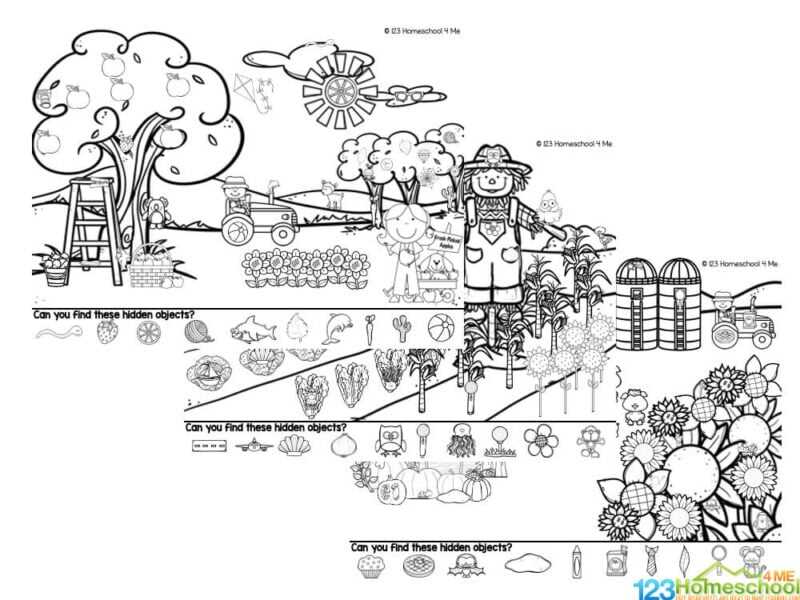
Start by selecting a theme for your puzzle. Choose topics that will excite kids, such as animals, nature, or favourite toys. Once you have a theme, design a large scene where the items you want children to look for can blend in but still be visible with careful observation. Make sure the scene is engaging but not overwhelming.
Next, choose the objects to be placed within the scene. For younger children, limit the number of items to make the puzzle simpler. As the complexity increases, you can add smaller items or use a more intricate background to challenge older kids. Use contrasting colours for the items so they stand out without being too obvious.
Once the design is complete, consider adding a list of items to search for. This list can be printed next to the puzzle, allowing children to focus on specific things while they search. You can also experiment with creating variations of the same puzzle, such as removing certain items or changing the background, to keep the activity fresh and fun for repeated use.