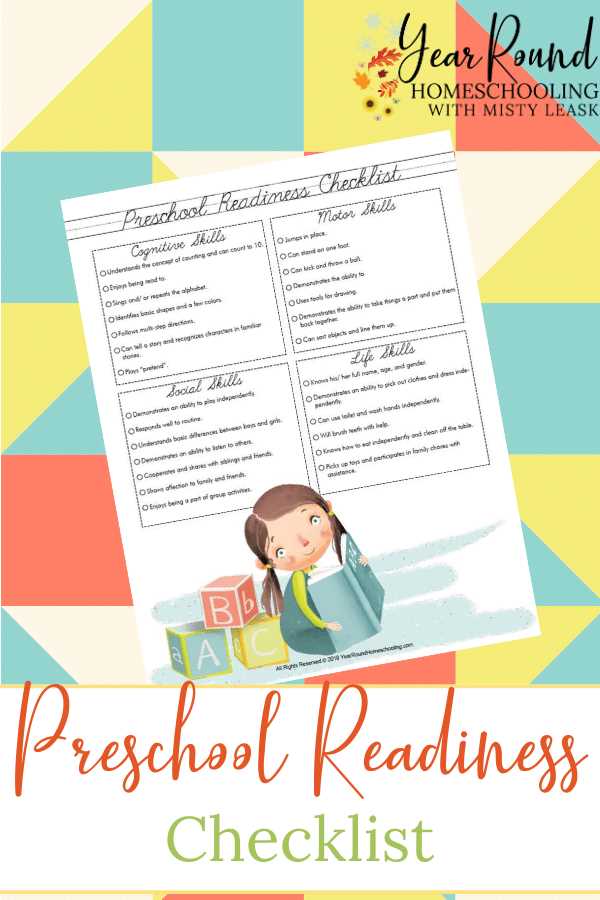
Start by focusing on basic skills that will help your child succeed once school begins. Tracking progress in areas such as language development, basic math, and social skills can help you identify any gaps and create a plan to address them. Regular practice of these skills will ensure a smoother transition to the classroom.
For language skills, make sure your child can recognize letters, understand simple directions, and start forming short sentences. In math, basic concepts like counting, identifying shapes, and understanding the idea of more or less are key. These are the building blocks that will set the foundation for more complex learning later.
Socially, encourage playtime with other children to help develop sharing, taking turns, and following rules. These early interactions teach important lessons in empathy and teamwork, which are vital for a positive experience in a group setting.
How to Track and Measure Your Child’s Progress
Start by breaking down each area of learning into manageable tasks. For example, in the language section, make sure your child can recognize and write the first few letters of their name. Gradually move to other letters and basic words. You can also incorporate simple reading activities, like pointing to objects and saying their names aloud. Create a clear goal for each month, and check off progress as you go.
Another key area to monitor is motor skills. For this, help your child develop both fine and gross motor abilities. Have them practice using safety scissors, drawing shapes, and stacking blocks to build hand-eye coordination. Additionally, encourage activities like jumping, running, and balancing to strengthen their large muscle groups. By regularly tracking these milestones, you can ensure your child is on track for their first classroom experience.
How to Use the Checklist to Track Basic Skills
Start by setting clear, measurable goals for each skill you want to track. For example, for language, focus on whether your child can identify and name common objects around the house. Mark off progress once they can consistently do this without assistance.
Divide each area into smaller tasks, so you can monitor improvement over time. For example, under the math category, begin by checking if your child can count up to 10. Once that’s mastered, move on to recognizing numbers and counting beyond 10. This step-by-step approach allows for easy tracking of incremental development.
Incorporate hands-on activities that align with the goals you’ve set. For example, encourage your child to trace letters, numbers, or simple shapes to develop fine motor skills. Pair this with verbal exercises like asking them to name letters and numbers they recognize. These activities build the skills necessary for later academic tasks.
Track progress regularly, not just once a month. For some skills, daily or weekly check-ins will provide more accurate results. Keep a simple log or note the progress directly on the skill sheet, marking improvements or areas that need more work.
If your child is struggling with a specific task, break it down further into more manageable steps. For instance, if they can’t yet hold a pencil correctly, start with basic grip exercises before moving on to more complex writing tasks. Acknowledge small victories and celebrate improvements to build their confidence.
Use the checklist as a tool to identify which skills need additional attention. For instance, if your child consistently has trouble identifying shapes, dedicate more time to activities like puzzles or drawing, focusing on shape recognition. This will give you a targeted approach to skill-building.
Finally, involve your child in the process. Ask them to help you mark off skills they’ve mastered or review the list together. This creates a sense of ownership and motivates them to take part in their own learning process.