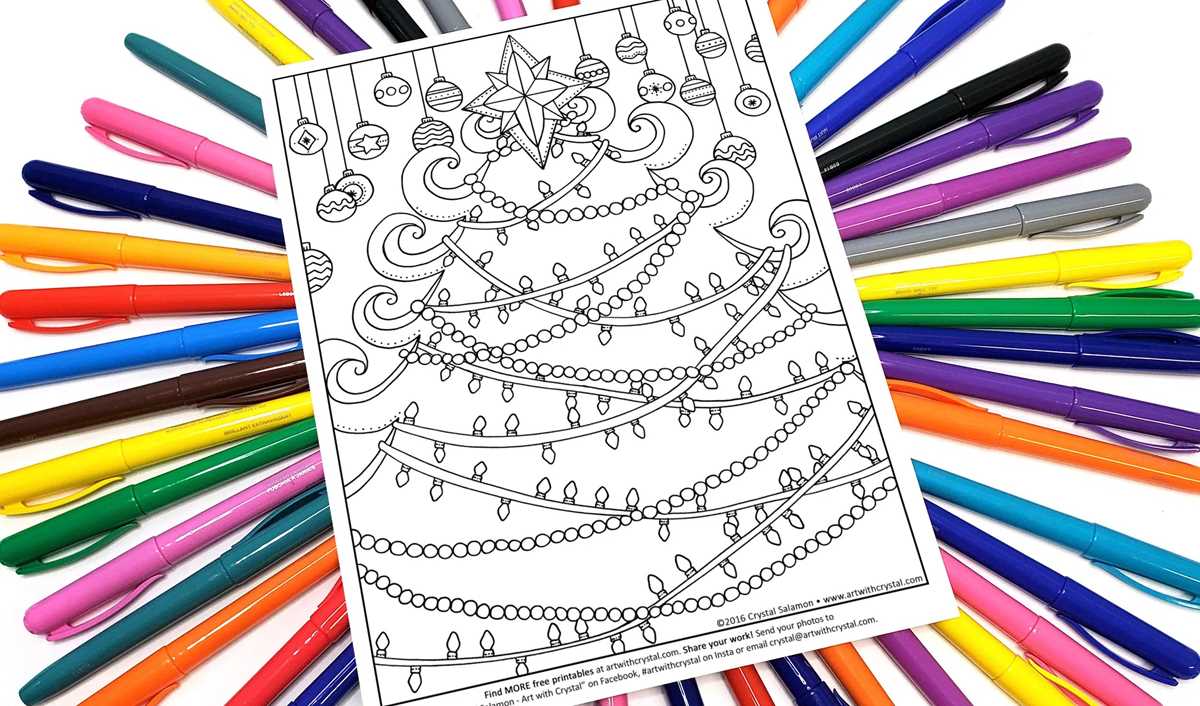
For a simple yet enjoyable activity, download and print images of festive plants for children to color. These designs can easily be found online and are ready to print immediately. Once printed, the fun begins with adding your own artistic touches using markers, crayons, or paints.
Choose high-quality paper, such as thick cardstock, to ensure durability and prevent tearing, especially if these designs will be handled by younger children. Lighter paper can work for temporary projects but may not hold up well to frequent handling or coloring with wet materials.
These designs can also be incorporated into other activities, like decorating greeting cards, making gift tags, or creating homemade decorations. A little creativity can turn a simple design into a fun holiday craft that’s both personalized and festive.
Fun Ideas for Holiday Craft Projects with Festive Designs
Begin by choosing images that fit the space and the mood you want to create. Consider various designs that feature traditional symbols like ornaments, stars, and gifts. These visuals not only engage children but also make fantastic decorations for the home.
If you’re planning to hang them up as decorations, select thicker paper, such as 200 gsm card stock, to give the cut-outs more structure. The sturdier the material, the longer the decorations will last. This is especially important if you’re using glue or other adhesives to attach the designs to windows, walls, or doors.
When printing, adjust your settings to get the best quality. A high DPI (dots per inch) ensures sharp, clear outlines for intricate details, which will help kids stay within the lines when coloring. If you use a laser printer, the ink tends to dry faster, which is perfect for those using colored markers.
For additional fun, turn these designs into interactive projects. Create a small holiday craft station for kids, where they can not only color but also decorate with glitter, stickers, or small beads. Encourage them to personalize their work by adding their own flair to the design.
These visuals can also be used in other festive activities such as homemade cards or wrapping paper. For example, once the design is colored, cut out parts to decorate holiday greetings or labels for gifts. It’s a great way to reuse the designs in a functional way beyond simple art projects.
Consider combining these printed designs with other seasonal elements. Create a mixed-media project by incorporating felt, fabric, or buttons for added texture. This helps to develop fine motor skills and adds an element of creativity to the activity.
For older children, challenge them to add extra elements to the design, such as backgrounds or additional decorations. This allows them to build their artistic skills and feel a sense of accomplishment after completing their creation.
Finally, display the completed artwork in a place where everyone can admire it. Whether it’s on the refrigerator, hanging in the living room, or used as part of a holiday wreath, showcasing their work adds a personal touch to the festive season and gives kids a sense of pride in their efforts.
How to Choose the Best Printable Holiday Designs for Kids
Select simple outlines with bold shapes for younger children. These types of designs make it easier for them to stay within the lines and complete the project without frustration. Look for images with clear, large areas that can be filled in easily with crayons or markers.
For older kids, opt for more intricate patterns that challenge their creativity. These designs might include additional details like small decorations, gifts, or stars, which offer a chance to practice precision while coloring. Consider offering various levels of difficulty based on age and skill level.
Pay attention to the themes of the designs. For instance, if the child is interested in animals or snowflakes, choose designs that feature these elements along with festive motifs. This keeps the child engaged and makes the activity more personal and enjoyable.
Finally, consider the printing material. For kids who tend to use water-based tools like watercolor paints, thicker paper, such as 200 gsm, will prevent bleeding. Lighter paper might be suitable for less messy, crayon-based coloring sessions.