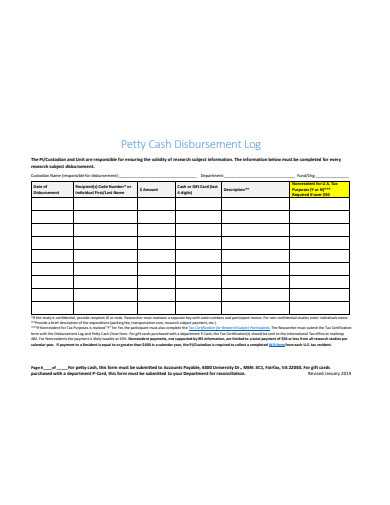
To keep a clear overview of your finances, start by recording all income and expenses in a structured manner. This approach helps identify spending patterns, manage cash flow, and maintain budget control. Make sure to log each transaction promptly to avoid forgetting any details, especially with small amounts that can quickly add up.
It’s recommended to use a simple, organized format that clearly breaks down your daily transactions. Each entry should include the date, a description of the transaction, the amount spent or received, and the current balance. This way, you can easily track progress and adjust your spending habits if necessary.
Additionally, having a visual record will allow you to quickly identify any discrepancies and ensure you’re sticking to your financial goals. Regularly updating this record provides you with real-time insights into your spending behavior, ultimately leading to better decision-making and improved money management.
Daily Cash Log Template Guide
Start by choosing a format that suits your tracking style. Whether you prefer a handwritten record or a digital tool, ensure it’s something you’ll regularly update. For a simple approach, a table layout with columns for date, description, income, expenses, and balance works well.
Record every financial movement, no matter how small. Often, the small transactions that go untracked are the ones that accumulate and affect your budget the most. By being thorough, you can stay on top of both major and minor expenses.
Each entry should include a brief description of the transaction. For example, if you purchase groceries, note the store’s name and what was bought. This helps you pinpoint where your money is going and adjust accordingly if necessary.
At the end of the day, review your log. Ensure that all numbers add up correctly and that you haven’t missed any details. A quick review can highlight any discrepancies and provide clarity on whether you’re meeting your financial goals.
Consistency is key when maintaining this record. Update it daily, even on busy days, to avoid forgetting any transactions. Using a simple format that requires minimal effort will encourage you to keep the habit going long term.
Over time, your log will become a valuable tool for budgeting and financial planning. The more data you accumulate, the easier it will be to spot trends and identify areas where you can cut back or save more efficiently.
How to Set Up a Cash Log Template for Daily Use
Begin by deciding on the format of your tracker. A simple table with columns for date, description of the transaction, amount spent, amount received, and balance is a clear structure. This format allows you to easily record and review each entry.
Next, make sure to include a space for the category of each expense or income. Whether it’s groceries, entertainment, or personal savings, categorizing will help you identify patterns in your spending and allow for more effective budgeting.
After setting up the structure, commit to updating it every day. Take a few minutes each day to fill in your entries, ensuring that all amounts are accurate. Keeping up with it daily will prevent backlogs and provide a real-time overview of your finances.
Lastly, regularly review the log. At the end of each week or month, check the totals to evaluate your financial habits. Are you overspending in certain areas? Use this data to make adjustments in your budget for the coming weeks.