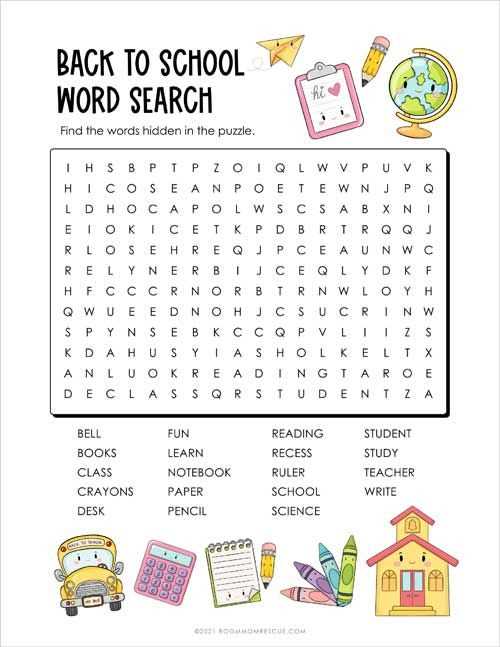
Start by downloading engaging puzzles that help young learners improve their vocabulary and spelling skills. Choose a template that suits the child’s current learning level, focusing on themes they enjoy, such as animals, nature, or simple everyday objects. These activities make learning fun while reinforcing essential skills like letter recognition and word recall.
Print the puzzles on thick paper to ensure durability, especially if you plan to use them multiple times. For extra challenge, try adjusting the difficulty by including longer words or arranging them diagonally and backward. Make sure to have a pencil or marker handy for easy marking and clearing when the child solves the puzzle.
These puzzles can be used as part of a larger learning activity or simply as a fun break from more structured lessons. Incorporate them into daily routines to provide a mix of education and play. For example, give children a set of themed puzzles to complete throughout the week, rewarding progress with small incentives like stickers or extra playtime.
Printable Puzzles to Enhance Vocabulary and Spelling Skills
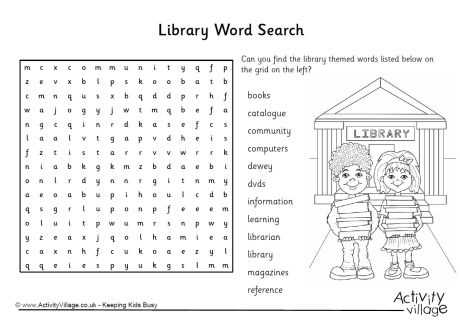
Start by choosing puzzles that align with the child’s current vocabulary level. For younger learners, select simpler puzzles with shorter words related to their daily life, such as animals, colors, and shapes. This ensures the activity remains engaging and educational.
Print the puzzles on sturdy paper to prevent tearing or damage during use. Consider using colored paper for a more visually appealing and fun experience. Make sure the size of the puzzle fits comfortably on the page, leaving space for the child to work through it without feeling cramped.
Adjust the level of difficulty by incorporating words of varying lengths. Begin with words that are only a few letters long and gradually introduce longer and more complex terms as the child’s skills improve. This allows the puzzles to grow with the learner, keeping them both challenging and motivating.
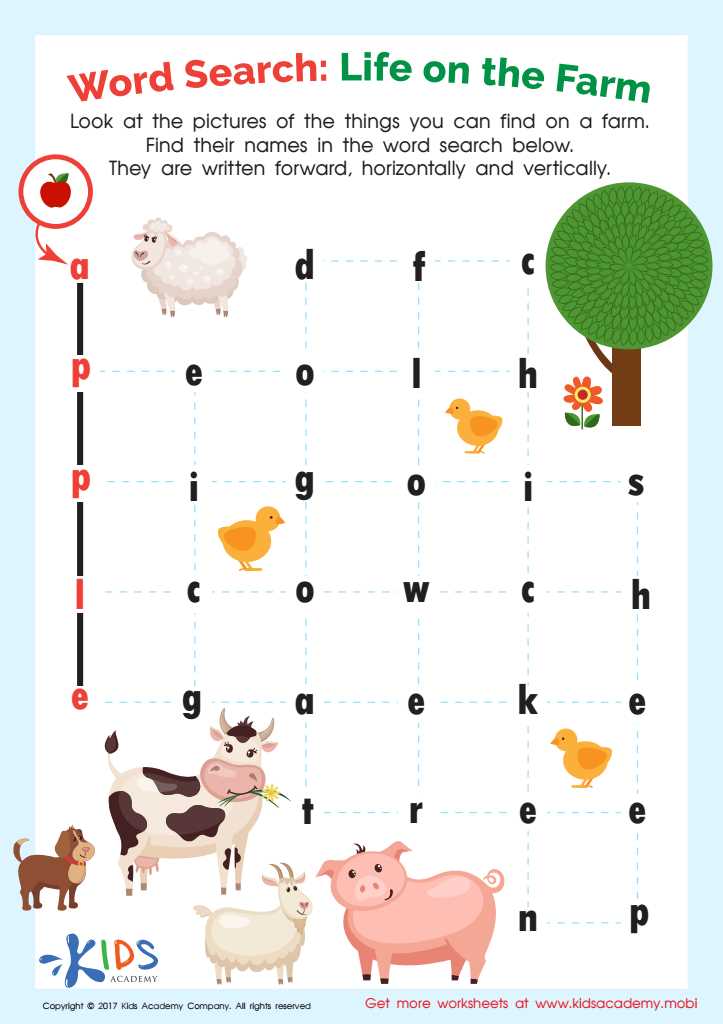
Introduce a timed element to make the activity more exciting. Challenge the child to complete the puzzle within a set time limit. This encourages focus, helps improve speed, and makes the exercise feel more like a fun game rather than just a learning task.
For added variety, you can create themed puzzles based on topics such as holidays, seasons, or animals. A seasonal puzzle, for example, can include words like “snow,” “reindeer,” or “sleigh,” while a nature-themed puzzle might feature terms like “tree,” “flower,” or “cloud.” This thematic approach will keep the child’s interest high and help them connect new words to the real world.
If you’re looking for a way to track progress, consider saving the completed puzzles in a folder or binder. This allows both the child and parent to look back at their improvements over time and can serve as a great motivator for continued learning.
To make the activity even more interactive, encourage the child to create their own puzzles. You can ask them to write down a list of their favorite words and then arrange them in a grid. This adds a creative dimension to the task and reinforces their spelling and vocabulary retention.
How to Print and Use Word Search Puzzles for Young Learners
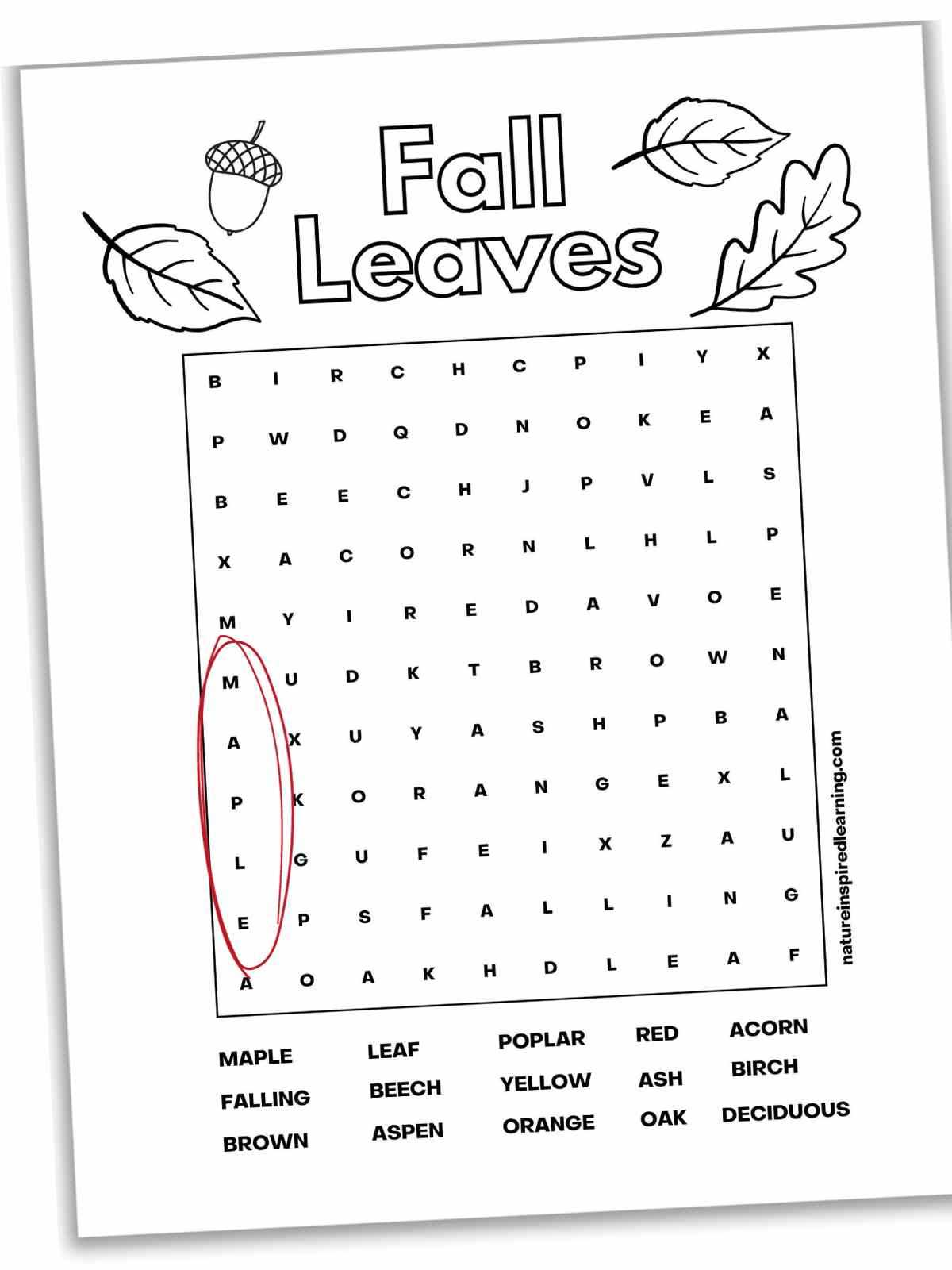
Start by selecting a puzzle that is appropriately sized for the child’s skill level. Ensure the grid is not too crowded and that the words are easily recognizable. Print the puzzle on durable paper, like cardstock, so it holds up well during use. If the design is small, adjust the print settings to enlarge the image and make it more accessible.
Before handing the puzzle to the child, review the list of words. Explain any new terms they might not know, and encourage them to look for these words in the grid. You can make the activity more fun by timing how long it takes to complete the puzzle, adding a slight challenge to keep them engaged.
Once they finish, check the answers together to reinforce learning. If you’d like to reuse the puzzle, consider laminating it or placing it in a protective sleeve. This way, the child can use a dry-erase marker and solve it multiple times without damaging the puzzle.