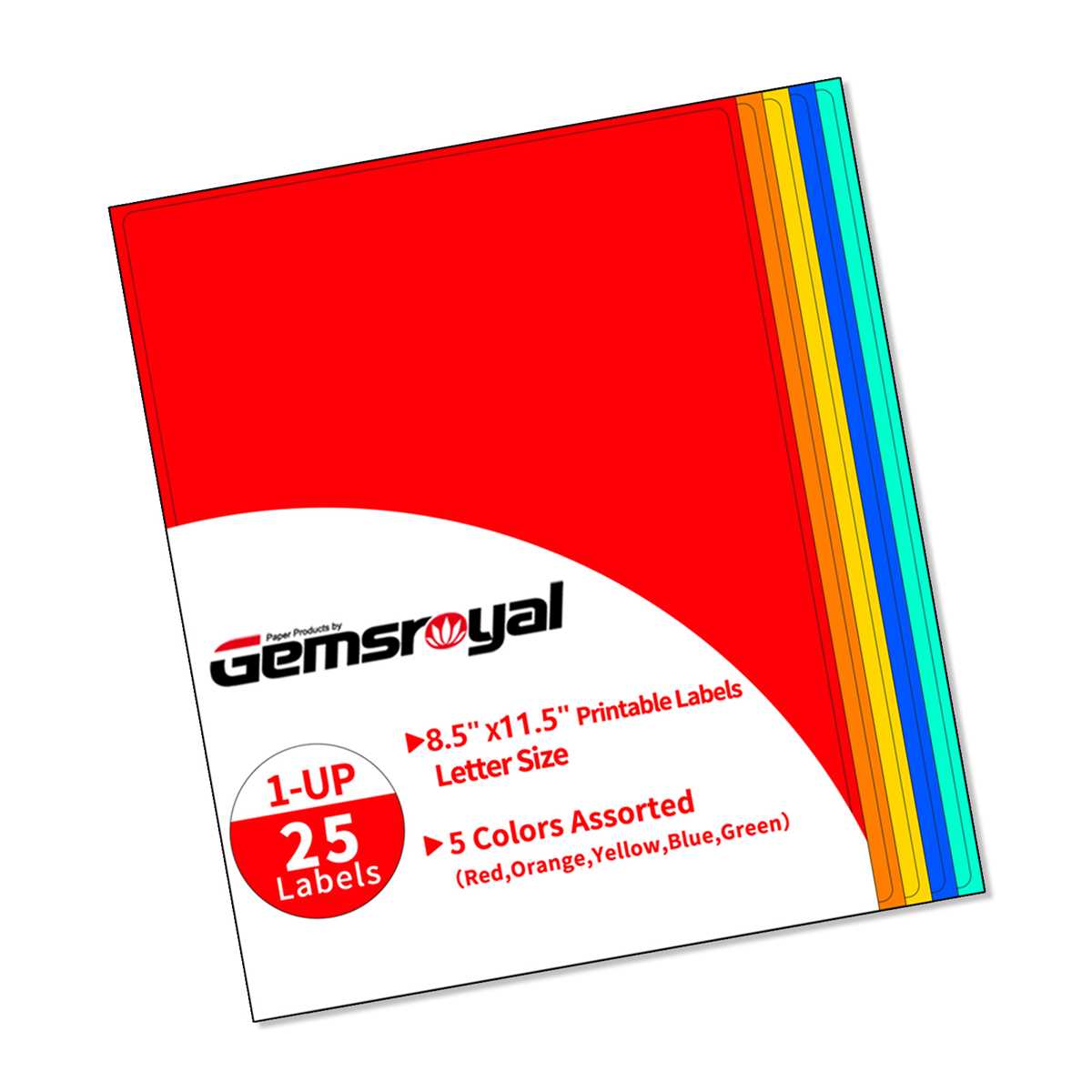
Start by selecting templates that match your organizing needs. For simple tasks, such as sorting files, choose designs that are clear and easy to read. Consider using contrasting hues for different categories to improve visibility. If you want to make the design stand out, use bold shapes and fonts, or add images that align with your style or purpose.
For personalized projects, like scrapbooking or gift tagging, go beyond the basics. Select images or icons that represent themes or events. Whether it’s a floral pattern for a spring gathering or a festive motif for the holidays, tailor each piece to fit your specific occasion. This helps create a cohesive design throughout your items and ensures a personal touch.
Be sure to adjust dimensions depending on what you intend to use them for. For smaller items like spice jars or inventory, choose compact formats that fit perfectly. For larger containers or folders, use bigger options that cover more space while still maintaining clarity. Make sure the quality remains high, as low-resolution designs can result in blurry prints.
Guide to Using Colored Stickers for Organizing and DIY Projects
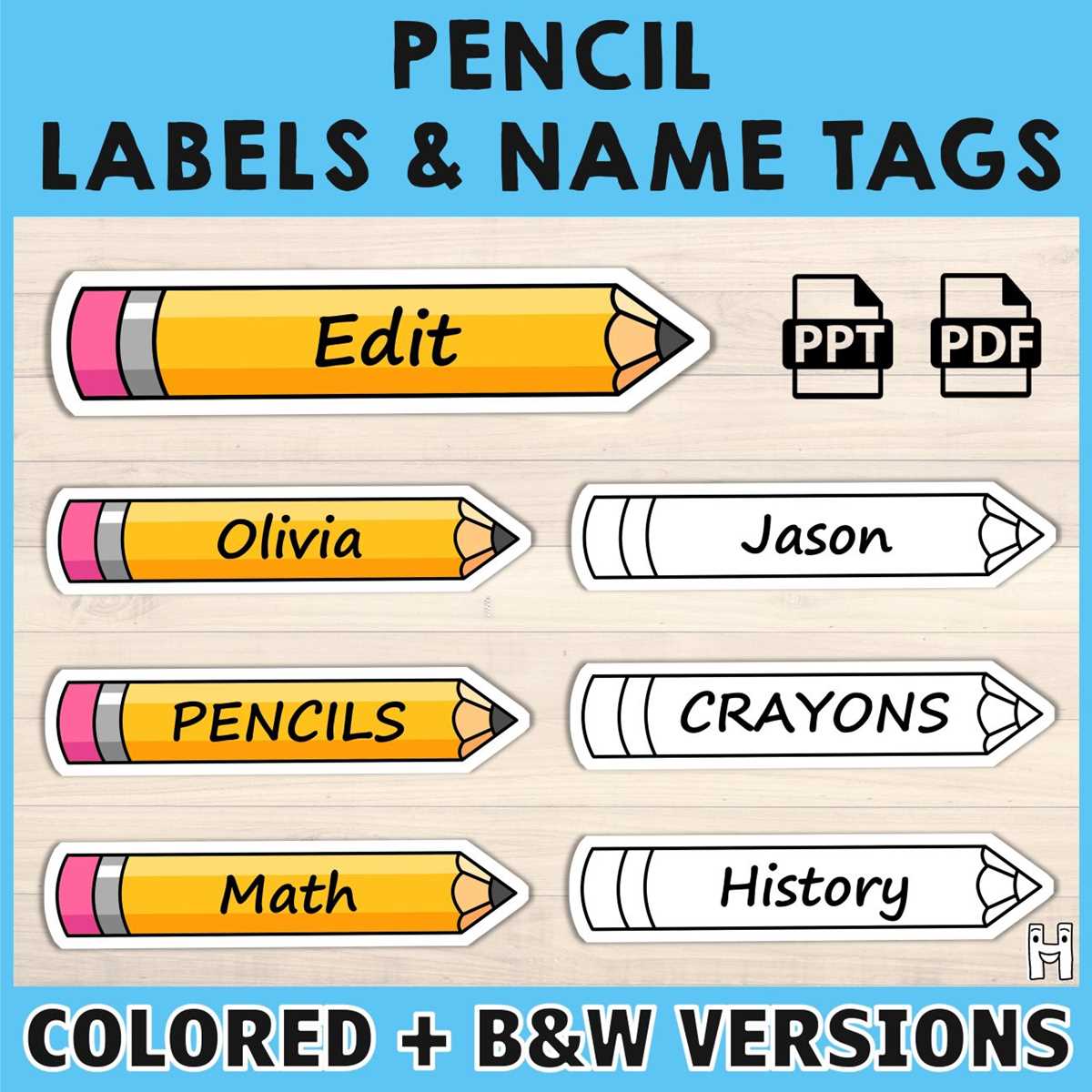
Choose distinct shades for different categories to simplify your system. For example, assign blue for office supplies, red for urgent items, and green for storage. This color-coding strategy enables quick identification and helps maintain an efficient workspace. Apply the same system to your digital files by creating matching tags or folders.
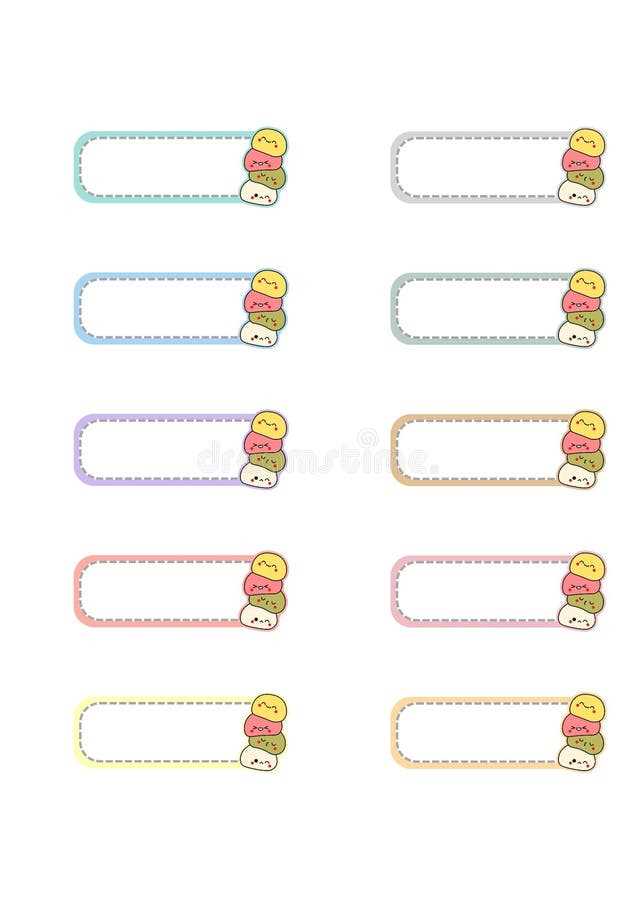
For DIY projects like scrapbooking or gift packaging, select hues that match your theme or event. For birthday celebrations, opt for bright colors and fun patterns, while a more subdued palette works well for wedding decorations. Adding creative icons or symbols, like hearts or stars, can make the designs more engaging and personalized.
When organizing kitchen items, use different shades to mark expiry dates or product categories, such as “spices,” “grains,” or “snacks.” The visual differentiation saves time during meal prep and makes it easier to maintain your pantry. Stickers can also be used on jars and containers to indicate whether contents are homemade, stored, or ready to be gifted.
How to Choose the Right Colors for Your Stickers
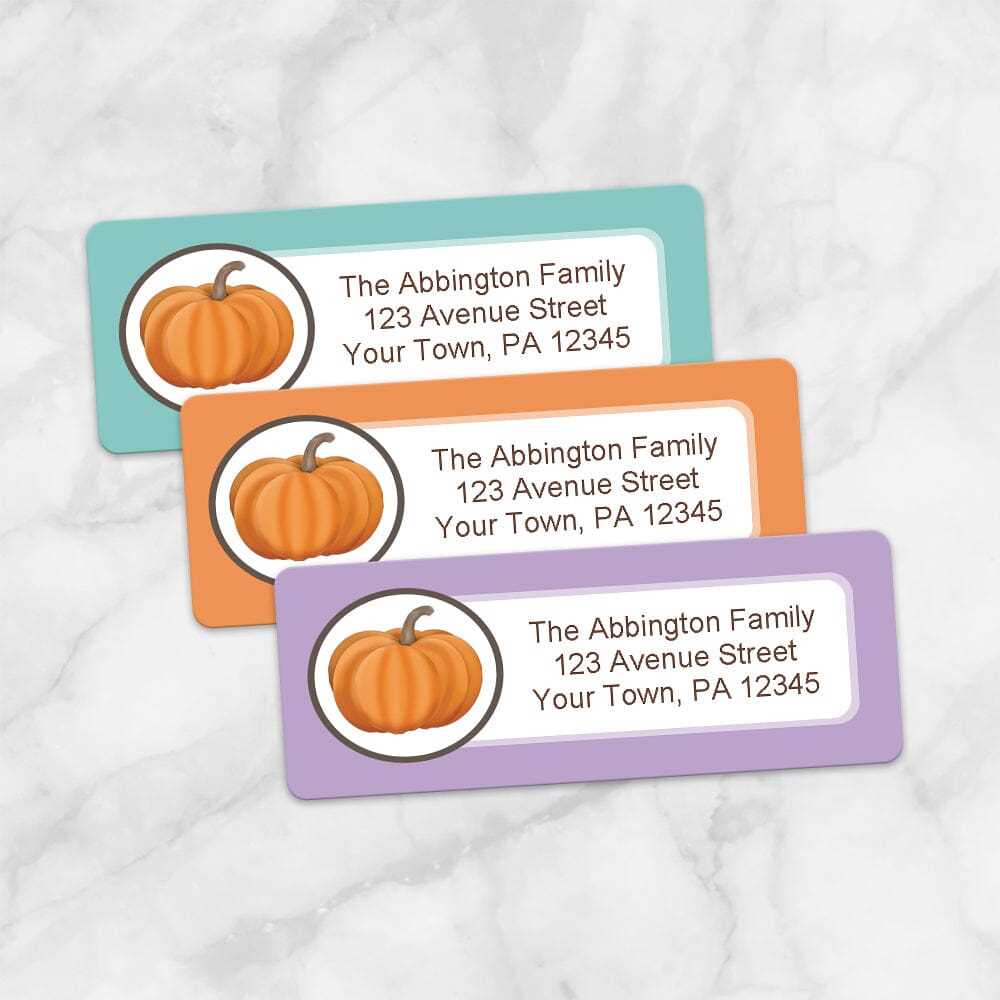
Start by considering the purpose of your design. If you need to create a visual system for organization, use contrasting colors to ensure clarity. For example, combine bright hues with neutral tones to avoid overwhelming the user. Red and green, for instance, are often used for highlighting important items, whereas gray or beige serves as a good background choice for general purposes.
When designing for different categories, assign each group its own color. For example, use blue for office supplies, yellow for personal items, and green for food-related products. This system makes it easier to quickly locate items based on their designated color. For a more intuitive approach, align your color choices with existing color schemes or patterns in your environment, such as matching your kitchen labels with the color of your kitchen appliances.
For products aimed at children, select bold, playful colors like bright reds, oranges, or yellows. These colors are attractive to young minds and help draw attention to important information. For items geared toward a more professional or mature audience, choose subdued tones like navy, forest green, or charcoal gray to maintain a polished and organized appearance.
Consider color psychology when selecting hues. For example, blue and green are often associated with calmness and reliability, making them suitable for work-related products. Red, on the other hand, can evoke urgency or importance, which makes it ideal for marking deadlines or time-sensitive items. Experiment with different shades to determine which combinations resonate best with your specific needs.
If your project involves multiple labels in one space, balance is key. Avoid overwhelming the space with too many contrasting hues. Instead, focus on using a limited color palette with complementary shades. For instance, a combination of soft pastels or a monochromatic scheme with varying shades can create a harmonious and visually appealing result.
Another factor to keep in mind is readability. Dark text on light backgrounds ensures easy reading, while light text on dark backgrounds can be effective for highlighting key information. Test your color choices by printing a few samples to ensure the text stands out clearly against the background color.
Lastly, think about durability. Some colors may fade more quickly, especially when exposed to sunlight or frequent handling. Darker shades tend to be more resistant to fading, whereas lighter colors might need more frequent replacement. If your stickers will be exposed to outdoor elements, opt for materials designed to withstand the wear and tear of weather conditions.