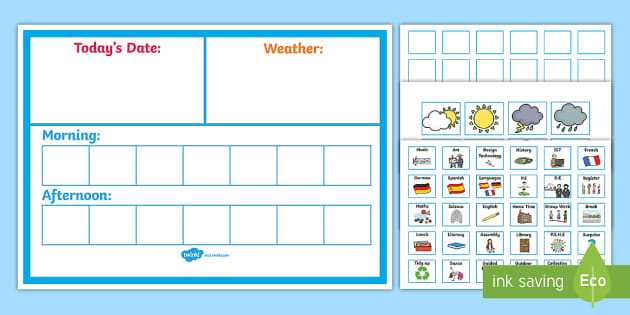
To create a structured environment, start by breaking down activities into clear, visual steps. Use simple symbols or images to represent each task. This will provide a sense of predictability and reduce anxiety throughout the day.
Choose materials that are easy to understand, such as charts or cards, and ensure they’re large enough to be easily visible. Consistency is key, so set up a clear visual representation of morning, afternoon, and evening activities.
If you plan on using visuals to represent tasks, make sure to update them regularly. Regular updates will ensure that your routine reflects any changes in activities while keeping things familiar. Keep the design simple, avoiding too much detail that could confuse.
Additionally, stick to a predictable sequence of activities. This repetition helps build confidence and security, especially for individuals who benefit from clear expectations. A consistent routine encourages independent participation and helps prevent frustration.
Creating a Structured Routine for Your Loved One
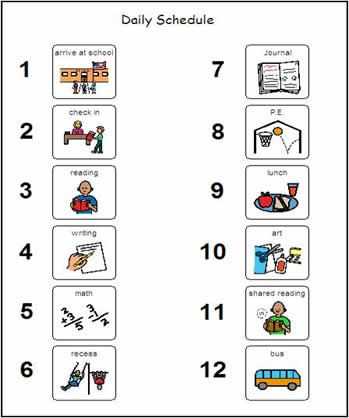
Use visual cues, such as icons or simple pictures, to clearly outline each task throughout the day. A visual representation helps with understanding what comes next and builds confidence in following the steps independently. Choose symbols that are easily recognizable and aligned with the child’s environment.
Incorporate flexibility within the structure. While consistency is key, some activities may need adjustments based on the child’s mood or needs on any given day. You can add “transition” symbols to signify changes, allowing for a smoother shift between tasks.
Choose a format that works well with your daily setup. A chart or poster placed at eye level can be a great option for a visual reference. For more flexibility, consider using removable cards that can be rearranged depending on the day’s tasks.
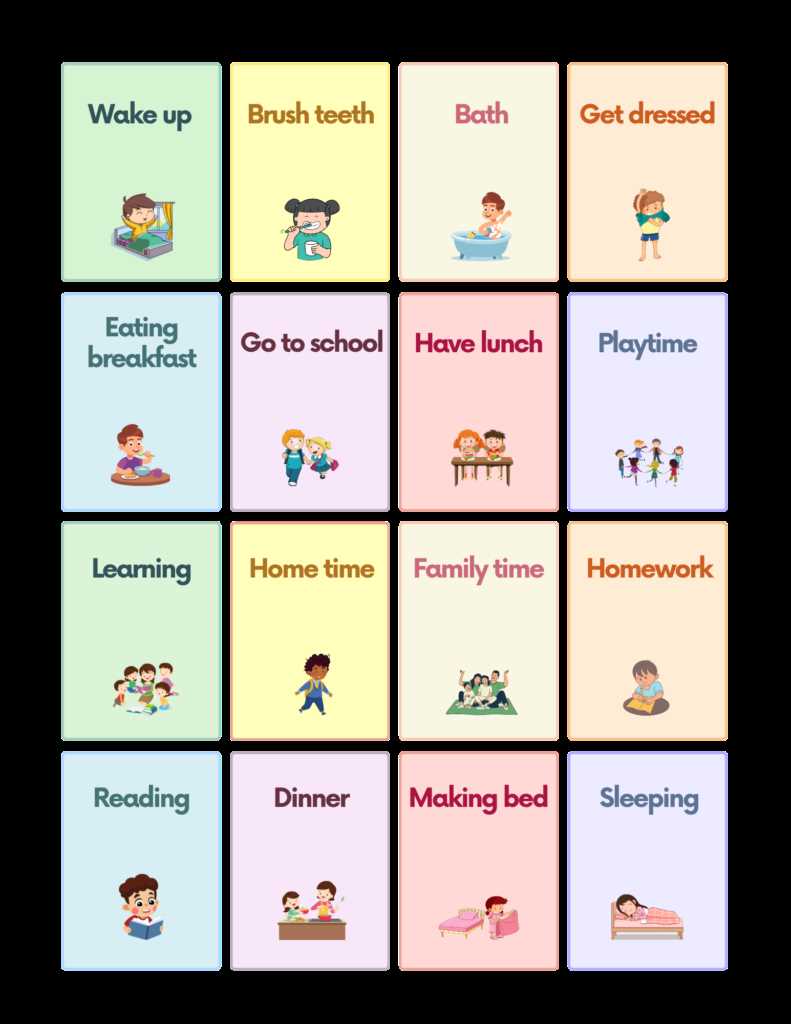
When designing the sequence of activities, keep transitions brief. Children often benefit from clear, concise instructions that are easy to process. For example, if the task is “get dressed,” consider breaking it down into smaller steps, such as “put on socks” and “put on shoes,” to make it more manageable.
Regularly update the schedule to reflect any new tasks, routines, or changes. A rotating schedule can help maintain interest and provide variety without overwhelming. Keep track of progress to see which adjustments are most helpful for keeping the day running smoothly.
How to Create a Custom Routine for Your Loved One
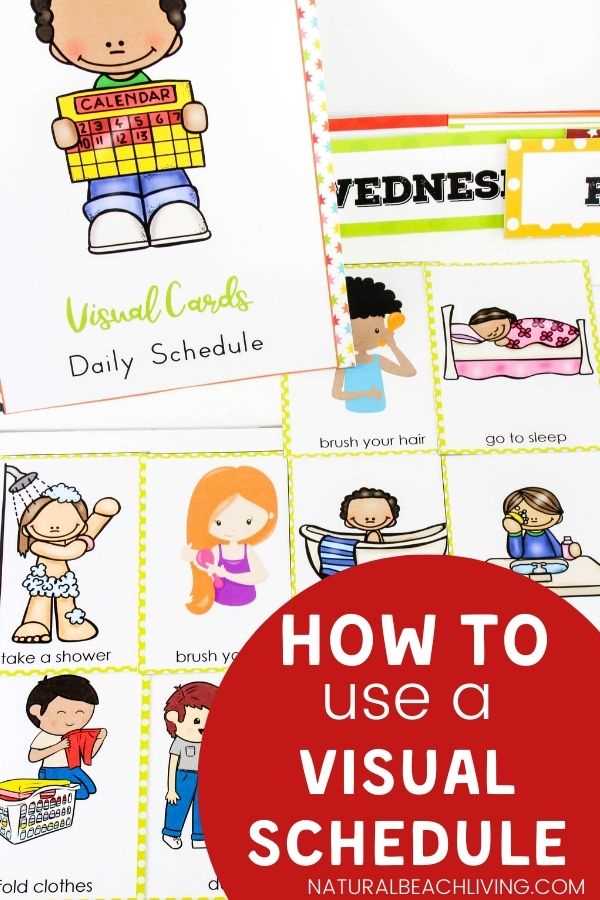
Begin by listing the key activities that make up the day. Include tasks such as waking up, eating, playing, therapy, and bedtime. Break each activity into smaller, manageable steps. Use clear, simple visuals to represent each task so that your loved one can easily understand the sequence.
Customize the order and timing to fit your family’s unique needs. Be flexible with transitions, ensuring there’s enough time for adjustments. For example, include “rest” or “quiet time” to help your loved one prepare for the next activity. Regularly update the routine as new tasks arise or existing ones change.