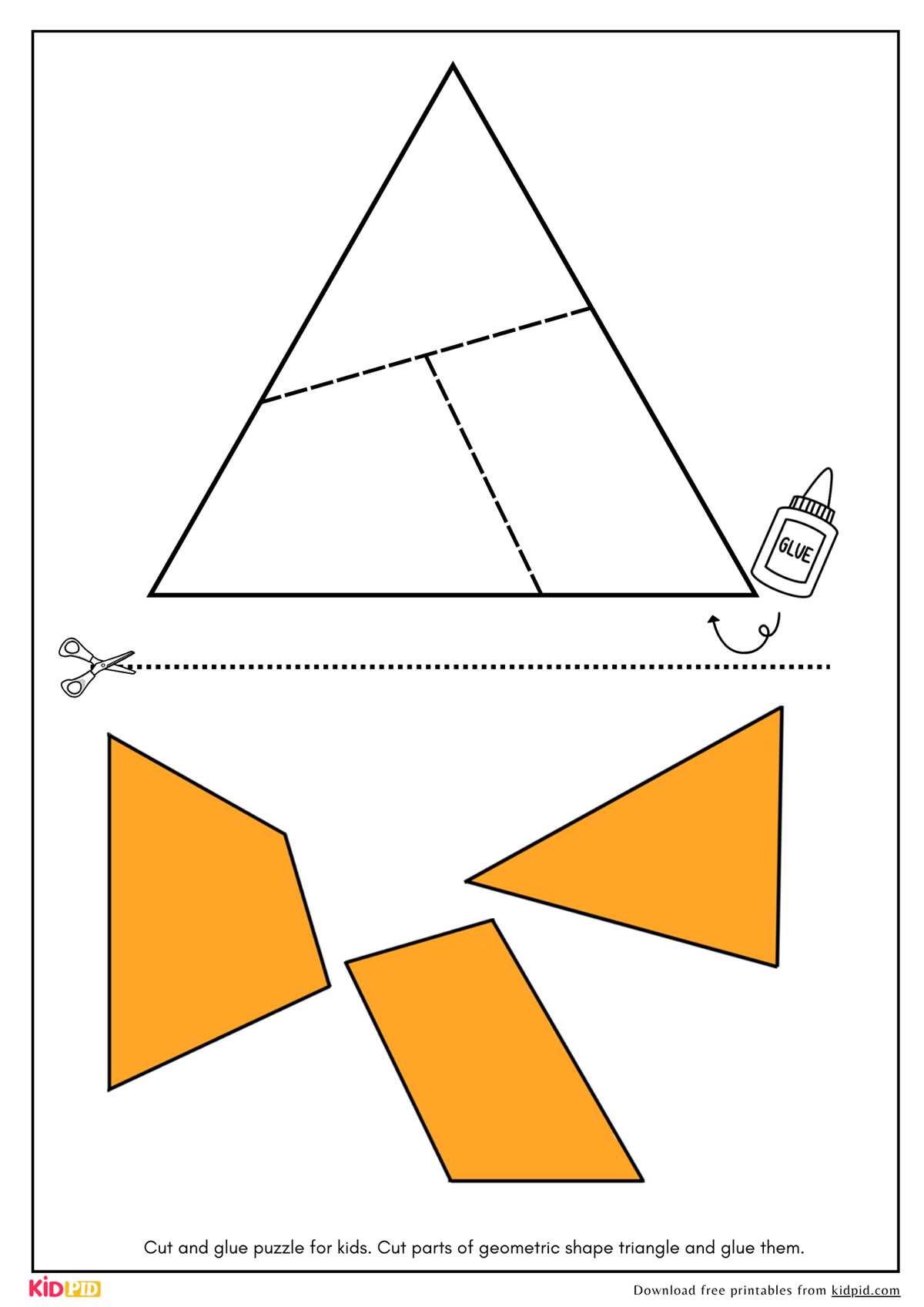
For quick and simple projects, download pre-made designs to be printed on standard paper. This allows you to save time and avoid creating custom templates from scratch. Choose geometric figures, animals, or holiday-themed items that can be easily printed and assembled.
If you’re planning a crafting session with children, opt for colorful templates with bold outlines. The bigger the design, the easier it will be for little hands to work with. Templates featuring animals or flowers are particularly popular in educational settings, as they combine creativity with learning opportunities.
For art and decoration purposes, consider choosing printable patterns that can be layered or combined. This approach opens up a wide range of possibilities, from making greeting cards to creating more complex scrapbook layouts. Choose heavier paper types if you plan to use these in projects that require durability or if you intend to add extra embellishments later.
Printable Designs for Crafting Projects
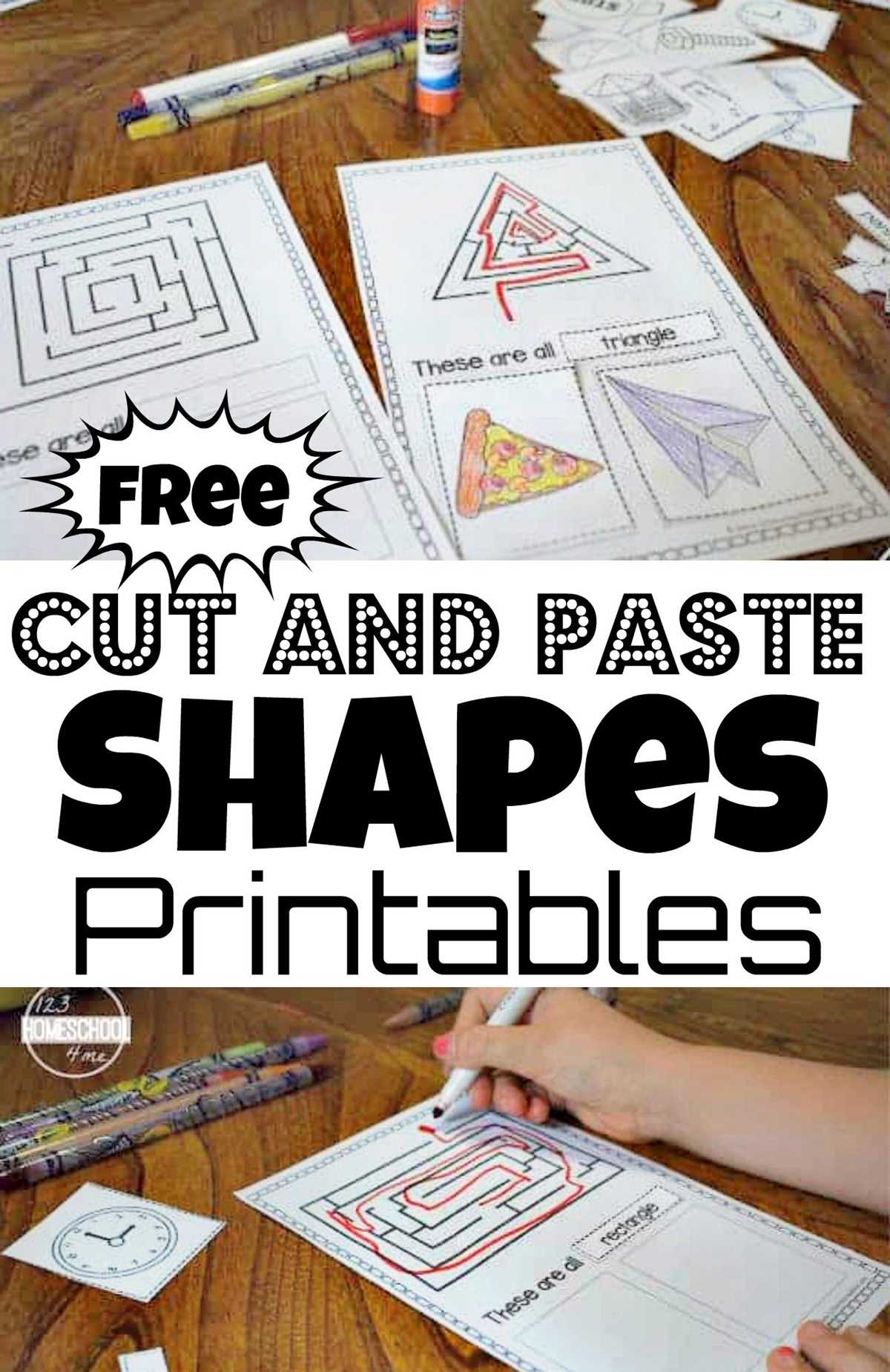
When working on creative tasks, you can find various templates ready for immediate use. For a fast start, look for designs with clear outlines and basic elements such as stars, hearts, or geometric figures. These are great for classroom activities or family craft nights.
Use heavyweight paper for projects where durability is key. For instance, crafting with children requires sturdy materials to avoid tearing during assembly. If you’re creating hanging decorations or greeting cards, thicker stock can help maintain the form of your designs over time.
For a more intricate outcome, choose detailed patterns like animals, flowers, or themed objects. These designs often feature more complex cuts and can add a higher level of craftsmanship to your creations. Ideal for scrapbooking or paper crafts, these templates allow you to build multi-layered projects.
Depending on the project, the color of the paper used can significantly influence the overall effect. Brightly colored options are perfect for vibrant, fun crafts, while neutral shades like white or kraft can help accentuate the details in your cut pieces. It’s important to match the color palette with your intended purpose, whether it’s educational or decorative.
For those working with young children, consider designs that require minimal detail and focus on larger pieces. Simple objects like animals or vehicles can engage kids’ imaginations while helping them improve their fine motor skills. Be sure to use larger templates to make handling and assembly easier.
Layering pre-made designs can also lead to stunning results. For instance, you can stack several cut pieces to create dimensional flowers, buildings, or trees. If you are crafting a more sophisticated project, experimenting with various materials like fabric or textured paper will add depth and interest to your design.
How to Print and Cut Shapes for Classroom Activities
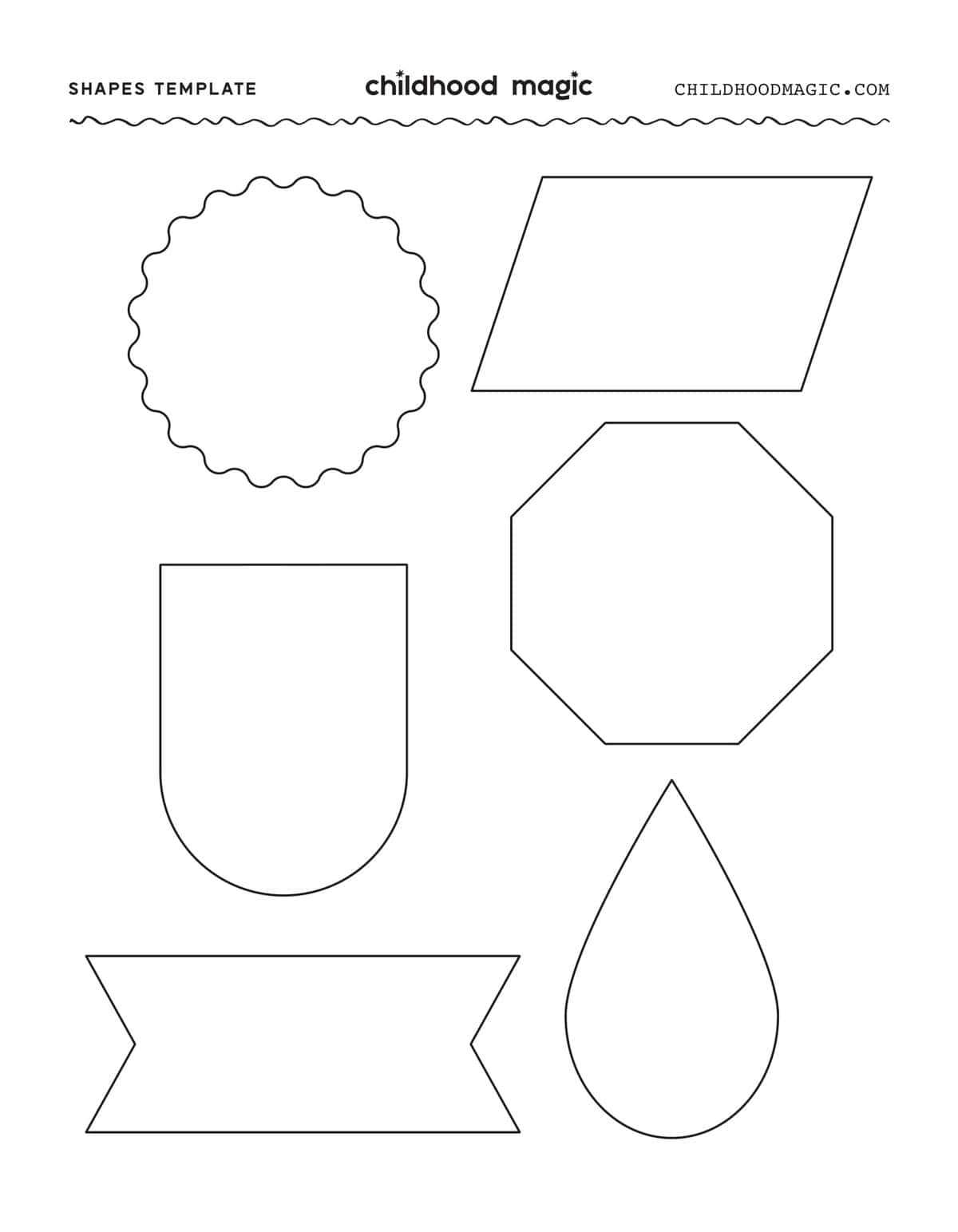
For quick classroom preparation, select designs that are simple and easy to print. Choose bold, clear lines that make it easier for students to trace and assemble. Ensure that the template fits well on standard 8.5×11-inch paper, which is the most common size for classroom printing.
Before printing, adjust the settings on your printer to ensure a high-quality output. Select “best quality” in the print settings to get sharp lines that will be easier for children to follow. If you’re working with young learners, use slightly larger designs to help them handle the pieces more comfortably.
After printing, use scissors or a paper cutter for precise trimming. It’s recommended to supervise younger students during this step, especially if they’re using scissors for the first time. For a quicker process, pre-cut the designs yourself, especially if you plan to use them in a group activity.