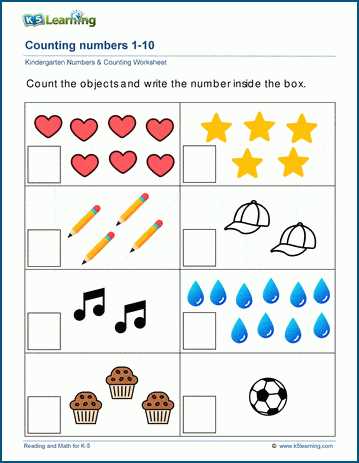
To support early learning, download engaging exercises that focus on basic number recognition, counting, and simple addition. These tasks are designed to help young children strengthen their foundational skills in a fun, interactive way.
Choose colorful and visually appealing designs to keep children engaged. Incorporate fun illustrations like animals, shapes, or objects they recognize, making the activities both educational and entertaining. This approach holds their attention while helping them grasp new concepts.
Make sure the difficulty level is appropriate for their age. Start with tasks that involve tracing numbers, matching objects with numbers, or simple pattern recognition. Gradually increase the complexity as they become more comfortable with basic concepts.
Printable Math Worksheets for Preschoolers
Start with simple exercises that help children recognize numbers. Use large, clear digits along with images to visually connect the number with a quantity. For example, ask them to match the number 2 with two apples or two balloons. This helps build a solid foundation for number sense.
Introduce basic addition by using objects they are familiar with. Create exercises where they count and add things like toys, animals, or food items. A visual aid will reinforce the concept, and it makes the task more engaging. Use pictures to represent the sums and have the child circle the correct answer.
Incorporate patterns into the exercises. Kids love recognizing and completing patterns, so add color-based or shape-based sequences for them to finish. For example, a pattern of red, blue, red, blue can be extended with the child filling in the next color. This encourages logic and sequencing skills.
For variety, include some matching activities that connect numbers with objects. For example, one side could have a list of numbers, and the other side could have various pictures. The child’s task is to draw lines connecting each number to the correct picture, like matching “5” with five stars.
Use simple counting exercises where children count and color in corresponding boxes. This makes the activity both fun and educational. You can even introduce basic subtraction by having them “cross out” items from a set, reinforcing the idea of removing quantities from groups.
Gradually increase the complexity of the tasks as the child’s understanding grows. Once they’re comfortable with counting and simple addition, introduce exercises with higher numbers or small word problems. Keep the activities light and engaging with colorful designs to hold their attention and keep learning enjoyable.
How to Choose the Right Math Worksheets for Preschoolers
First, look for tasks that focus on number recognition. A good exercise should have clear, large numbers that children can trace or identify. Pair the numbers with illustrations like animals, fruits, or everyday objects, making it easier for kids to connect numbers with real-life items.
Choose activities that include simple counting exercises. These can be activities where children count objects or match numbers to the correct quantity. For example, counting apples or matching the number 3 with three ducks will help solidify the concept of numbers in a fun and interactive way.
Ensure the activities are developmentally appropriate. Select sheets that don’t overwhelm children with too many tasks or difficult concepts. Focus on basic concepts like recognizing shapes, counting to ten, and identifying patterns before advancing to more complex tasks like addition or subtraction.
Consider the visual appeal of the material. Young learners are more likely to engage with bright colors, fun illustrations, and playful designs. Avoid using plain, text-heavy designs that may seem dull to a young child. A well-designed sheet with playful themes will keep children excited about learning.
Look for tasks that allow children to use their fine motor skills. Tracing, coloring, and connecting dots are good ways for young children to develop hand-eye coordination and strengthen their grip. Activities like these also help kids focus on precision and control, which are valuable skills at this stage.
Variety is important. Don’t limit activities to just counting. Include a mix of exercises that encourage shape recognition, sequencing, and sorting. Games that involve matching objects to numbers or completing patterns will engage different cognitive skills while keeping the child interested.
Make sure the difficulty level aligns with the child’s current understanding. If they can easily count to ten, introduce activities with numbers beyond ten. Once they master basic concepts, move on to more challenging exercises like simple addition or recognizing bigger numbers.
Finally, choose resources that offer flexibility. Some sheets allow you to add your own pictures or numbers, giving you the option to customize the learning experience. This customization makes the activity more relevant and engaging to the child’s specific interests and learning pace.