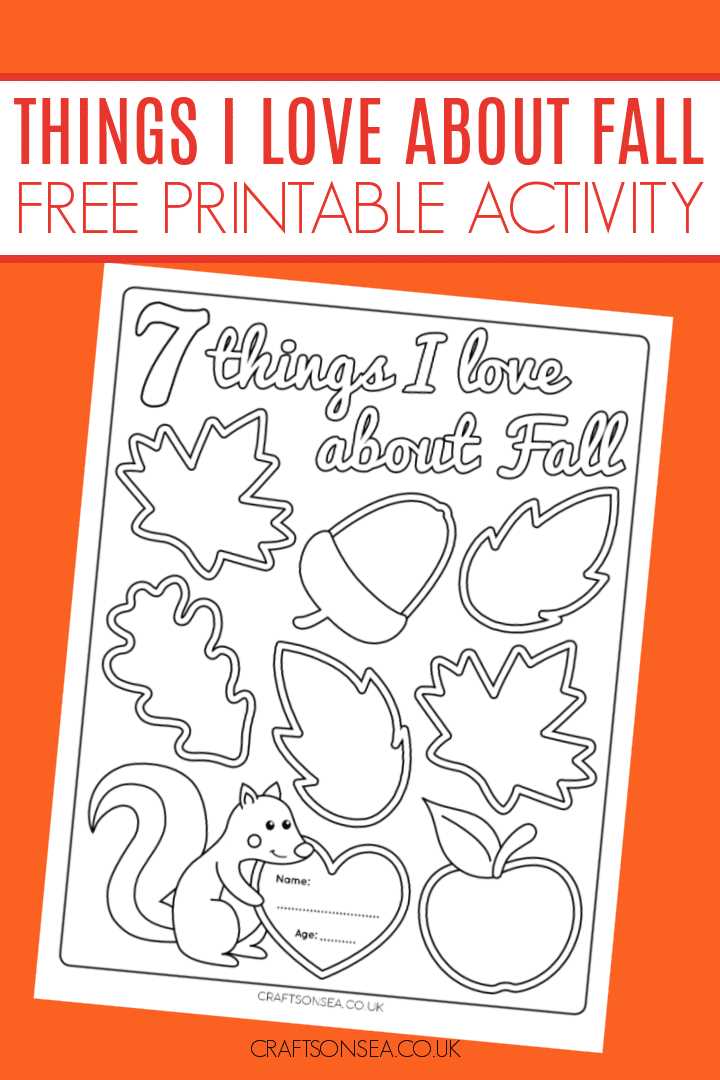
Start by creating simple and engaging tasks for children based on the fall season. Include activities like identifying and coloring leaves, matching animals with their habitats, or tracing the shapes of pumpkins and acorns. These tasks not only entertain but also help young learners develop fine motor skills and cognitive abilities.
For a more interactive experience, combine hands-on activities with visual learning. Create a set of puzzles or drawing challenges that help children practice counting, identifying shapes, and learning about seasonal changes. Keep the designs clear and colorful to hold their attention and make the learning process enjoyable.
If you’re looking for variety, include some educational tasks like simple word searches using fall-related vocabulary or a matching game for different types of weather. These exercises can expand their vocabulary and deepen their understanding of the season’s changes, all while having fun.
Seasonal Activities for Learning and Fun
Design simple coloring activities featuring seasonal elements like leaves, pumpkins, and animals. Children can color these images while learning about different types of trees, animals preparing for winter, and the colors associated with the season. These exercises strengthen both creativity and knowledge about the environment.
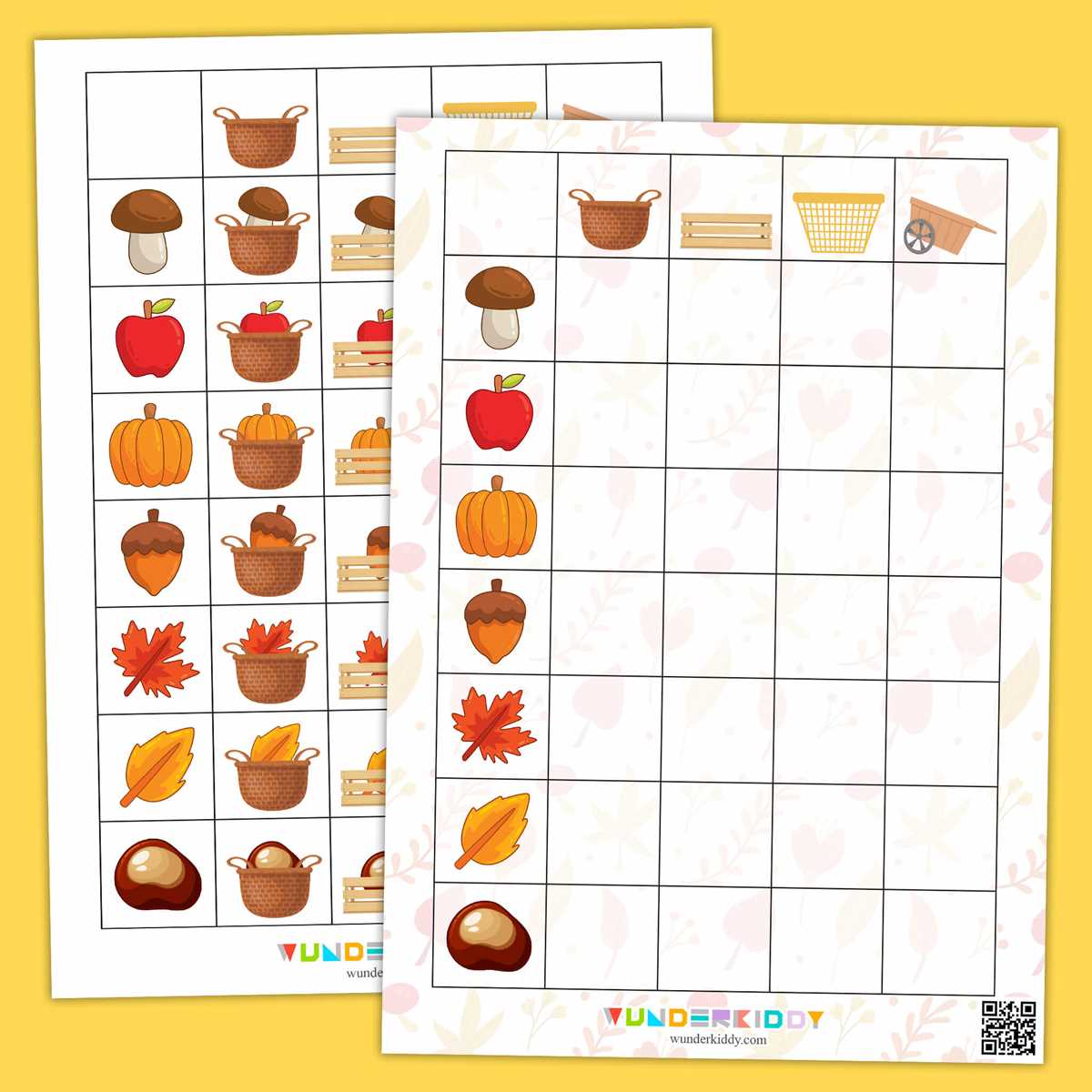
Incorporate pattern recognition tasks. For example, use images of trees with different leaf patterns or animals with various shapes. Ask children to match similar items together or complete patterns by filling in missing pieces. This sharpens their observation and cognitive skills while reinforcing seasonal themes.
To improve early math skills, design counting exercises based on nature. Create activities where kids count the number of acorns, pumpkins, or apples in an image. You can also introduce simple addition and subtraction problems, using the items in the pictures to provide a visual context for solving the problems.
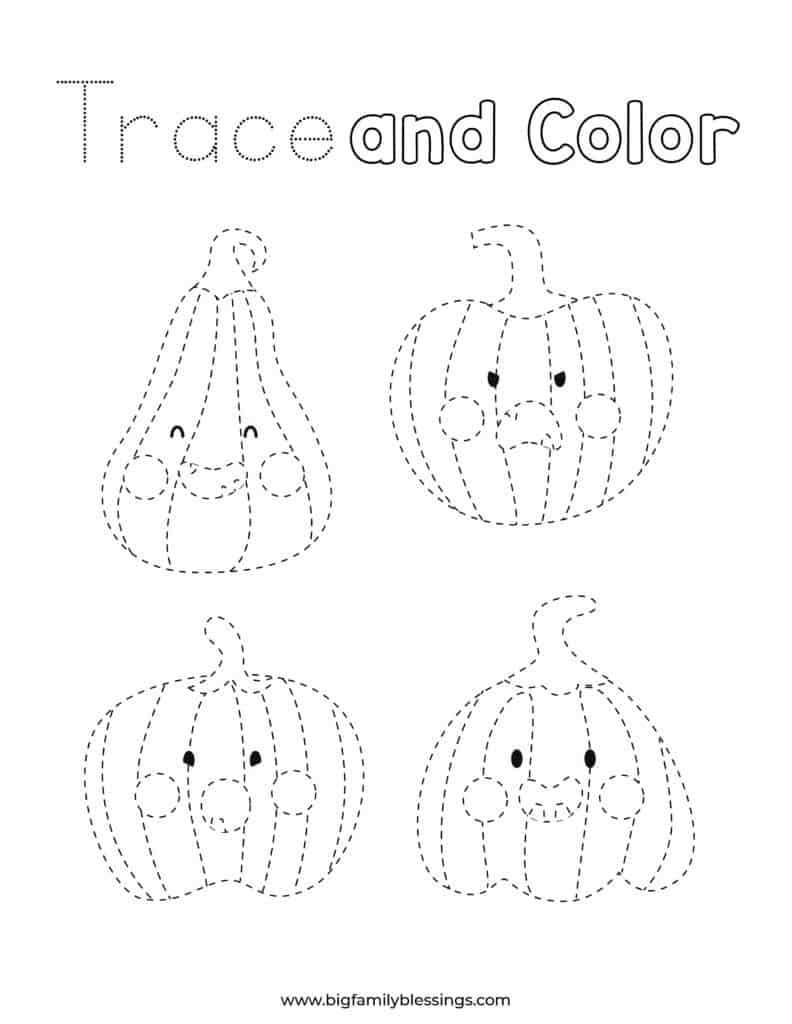
Introduce shape recognition through fun games. Create puzzles with geometric shapes inspired by the season, such as triangular pumpkins or round apples. Let children identify shapes, count sides, and even trace them, helping them build a foundation for more complex geometry in the future.
For a more challenging task, include a word search or matching activity. Use fall-related vocabulary like “leaves,” “harvest,” “wind,” and “tree.” As they search for the words, kids expand their vocabulary and reinforce the connection between the season and the words they are learning.
Engage creativity with simple drawing prompts. Ask children to draw what they think of when they imagine the season. This encourages them to think critically and express their understanding of the world around them. It’s also a great way to connect what they’ve learned through other activities to their own experiences.
Consider including a nature scavenger hunt. Provide a list of items typically found in the environment during the season, such as “yellow leaf” or “red apple,” and have children check off what they can find. This brings learning outdoors and connects it to real-world experiences, deepening their understanding.
Finally, use interactive tasks that involve both writing and drawing. Ask children to label the different components of a tree, like branches, leaves, and roots. You can even have them describe the process of leaf changes or why certain animals prepare for colder months. These activities combine writing, observation, and comprehension skills.
How to Create Engaging Autumn-Themed Activities for Kids
Start with simple activities that align with the season. Use images of falling leaves, pumpkins, and animals to create tasks that involve sorting, coloring, or matching. For example, you can ask children to color in different leaves based on their shape or size, helping them identify various types of plants and animals related to the time of year.
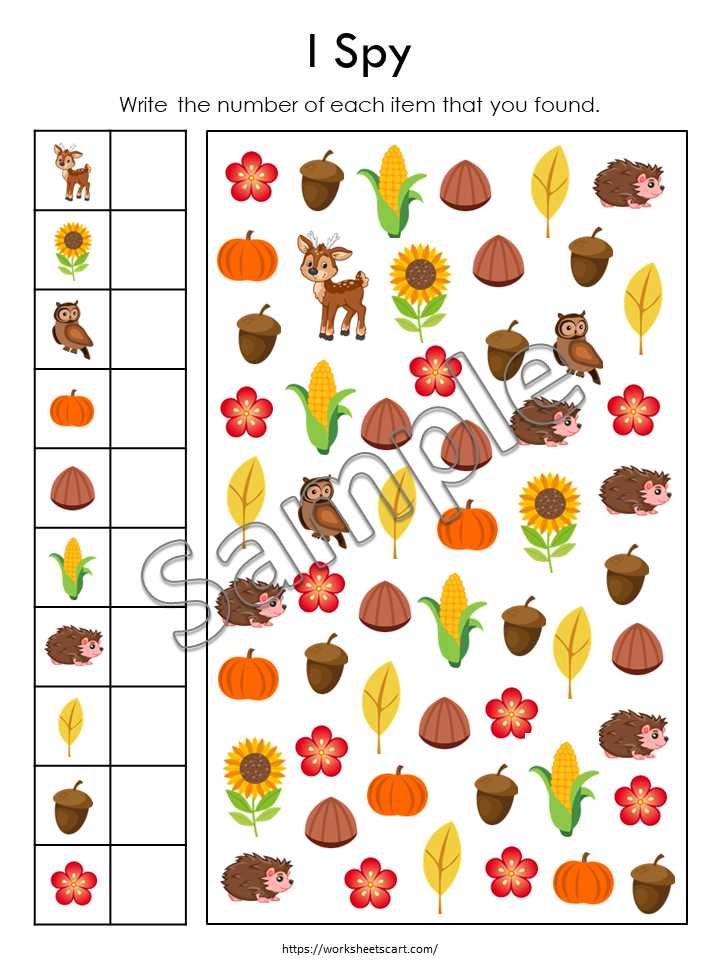
Incorporate counting exercises using nature-themed elements. For instance, show a picture of a tree with multiple apples and have kids count the apples. This reinforces number recognition and counting skills while connecting the task to nature. You can also add simple addition or subtraction problems using the elements in the image.
Include word and picture matching activities. Create a set of words related to the season, such as “leaf,” “harvest,” and “squirrel,” and ask kids to match them with corresponding images. This encourages vocabulary building and helps them associate words with real-life objects or animals.
For a more challenging task, consider a puzzle or riddle related to the environment. Ask children to identify seasonal changes, such as which animals prepare for colder months or how trees change over time. This encourages critical thinking and observation, enhancing both their cognitive and analytical skills.
To keep the learning engaging, add an interactive element, such as a “create your own” section. Allow children to draw or write about what they enjoy most during this season, like their favorite outdoor activities. This encourages creativity and gives them a chance to express their own experiences while reinforcing what they’ve learned.