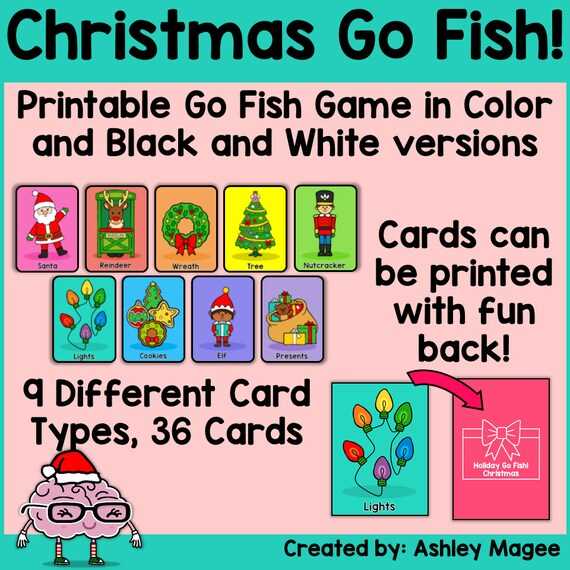
Start by creating a set of playing cards for your favorite memory and matching games. Use simple designs featuring common objects, animals, or themes that children enjoy. For example, you can use shapes, animals, or numbers to make the cards more engaging and suitable for learning purposes.
To make the cards more durable, print them on thick cardstock or laminate them after printing. This will prevent the cards from tearing easily during play and help them last longer. Make sure to cut the cards precisely for even edges, which will ensure that they are easier to shuffle and handle during the game.
If you want to make the experience more interactive, add a fun twist by creating themed versions of the game. You can create seasonal or holiday designs to match the time of year, or even tailor the cards to educational themes, such as matching colors, shapes, or numbers. This adds both fun and learning into one simple activity.
How to Create Fun and Engaging Cards for Kids’ Games
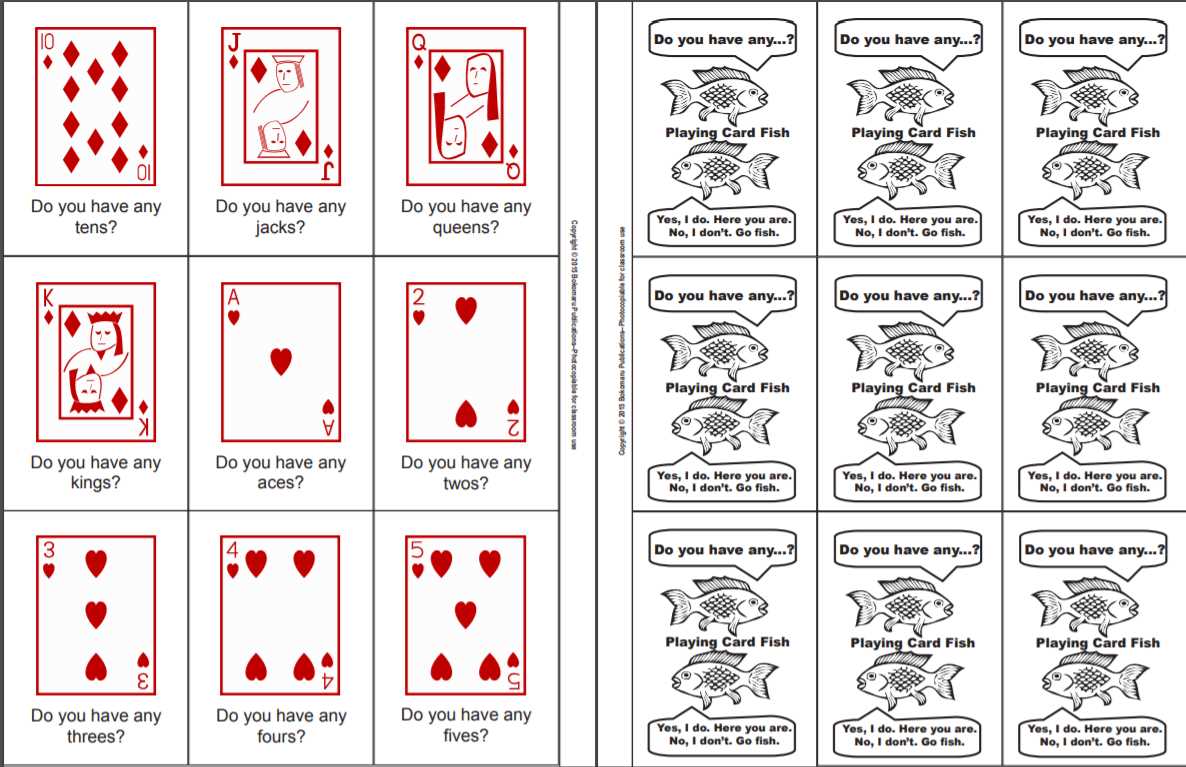
Start by choosing a theme for the deck that children will find appealing. For example, opt for animal illustrations, numbers, or simple shapes to keep the game fun and educational. Use bold, easy-to-read fonts and simple designs that are suitable for young players. If you’re focusing on learning, you can incorporate basic words or colors into each card.
Next, select a quality material for the cards. Using thick cardstock or heavier paper will increase their durability. Laminating the cards can also extend their life, ensuring they withstand multiple play sessions without becoming damaged. A solid, sturdy material makes them easy to shuffle and deal without bending or tearing.
Once the design is ready, print the deck on your home printer or use a printing service. Ensure that the images are high resolution to avoid pixelation. After printing, carefully cut out the cards using a paper cutter for straight lines. If you want a more polished look, consider adding rounded corners to prevent them from getting damaged easily.
To add a personal touch, you can customize the deck with unique themes such as holidays, seasons, or favorite characters. Creating your own deck lets you match it to specific interests, such as dinosaurs or nature, making it more enjoyable for children. Themed decks are perfect for family game nights or classroom activities where you want to engage kids with something familiar and exciting.
Lastly, don’t forget about storage. A small box or an envelope can help keep the deck organized and safe from damage when not in use. You can even design a matching storage box with the same theme as the cards for a complete set. Proper storage ensures the cards are always ready for the next fun round of play.
How to Create and Customize Your Own Go Fish Cards
Start by selecting a theme for your deck. Choose something that will captivate kids’ attention, such as animals, superheroes, or different types of objects. You can also create a deck with educational themes, like numbers, letters, or shapes. This will help the game serve both as entertainment and as a learning tool.
Next, use graphic design software or online tools like Canva or Adobe Spark to create your designs. Begin by setting up a template for each card, ensuring the design fits within standard playing card dimensions. Use bold and simple images so they are easily identifiable by younger players. Consider adding bright colors to make the deck visually engaging.
For each card, add the necessary information. Typically, each card will display a number or symbol that will be matched against others. Depending on your theme, you may also want to add a small description or fun fact to keep the deck interesting. For instance, if you’re using animals, each card could feature an image of the animal along with its name and a fun trivia fact.
Once you’ve completed the design, make sure the images are high resolution to prevent pixelation when printed. You can print the deck on thick paper or cardstock for durability. If you want to ensure longevity, laminate the cards. This helps them stay intact through multiple game sessions, especially with younger children who might handle them roughly.
After printing, carefully cut out each card. A paper cutter or scissors with a guide will help create straight edges. You can also round the corners slightly for a smoother feel and to prevent the edges from becoming too worn. If you’re printing multiple decks, consider binding them together in small boxes or pouches to keep them organized.
Lastly, think about customizing the packaging. You can create a small box or pouch with the same theme as your deck to keep all the cards safe. Personalizing the storage can make the entire set feel more cohesive and special, especially when gifting it or using it for family activities.