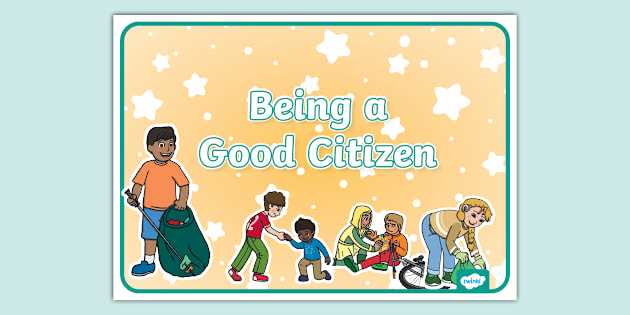
Start by introducing activities that help children understand their role within a community. Use visual aids that break down concepts like cooperation, respect for others, and social duties. These exercises can promote awareness and create meaningful conversations about how each action impacts others.
One effective way to engage young learners is through interactive exercises that encourage them to recognize their personal responsibilities. Activities can include tasks like identifying ways to show kindness, understanding fairness, and respecting shared spaces. These activities help children see their influence on the world around them.
Through structured yet fun exercises, children can explore scenarios that require them to apply values such as honesty, sharing, and empathy. Presenting these topics through illustrations or simple tasks makes the learning process enjoyable and accessible. The key is to focus on real-life applications of these values to ensure lasting impact.
Worksheets to Teach Kids About Their Social Responsibilities
Start with activities that encourage children to think about the impact of their actions on others. Tasks like identifying kind acts and discussing how these affect friends and family can help build a solid foundation of social awareness.
Introduce scenarios that require problem-solving, such as resolving conflicts or deciding what actions are fair in various situations. By incorporating these practical examples, children can better grasp the importance of respect, fairness, and empathy in daily life.
Interactive tasks such as drawing pictures of helping hands or listing ways to contribute to a community can inspire young minds to consider real-life applications. Make the process engaging by allowing kids to express themselves creatively while reinforcing key social values.
Incorporate team-based activities where children can work together to complete tasks that highlight cooperation and shared responsibilities. These exercises promote communication and teamwork, giving them hands-on experience in collective decision-making and problem-solving.
For older children, incorporate more complex exercises like writing reflections or creating projects that illustrate their understanding of responsibilities to others. These can involve exploring volunteer opportunities or mapping out ways to be more involved in school or neighborhood initiatives.
Finally, regularly revisit these activities to ensure the concepts are reinforced. Using simple yet varied tasks ensures the information stays relevant and applicable, helping children internalize important values like respect, empathy, and community engagement.
How to Introduce the Concept of Good Citizenship to Children
Begin by setting an example through your own actions. Children observe adults and learn behaviors based on how they see others act. Model respectful, responsible, and considerate behavior in everyday situations. Show them how to express kindness, resolve conflicts peacefully, and contribute to the community.
Next, engage children in discussions about the importance of cooperation and sharing. Use real-life examples to explain how working together benefits everyone. Illustrate how teamwork helps accomplish common goals, whether in school, at home, or in the community.
Incorporate stories or books about characters who display traits such as honesty, respect, and helping others. Reading about these virtues will help children connect abstract concepts to relatable situations. Ask them questions after the story to encourage reflection on how they would act in similar circumstances.
Use activities that require them to contribute to a group. This could be as simple as taking turns in a game or helping with chores. By practicing these actions, children can experience firsthand the positive results of taking responsibility and contributing to a collective effort.
Explain the idea of fairness by discussing the importance of following rules and treating others equally. You can introduce this concept through games or scenarios where rules are in place, and fairness is the key to solving conflicts and achieving success.
Finally, celebrate small acts of kindness and cooperation. Praise children when they display responsible actions or show care for others. Reinforcement helps solidify these values, making them more likely to incorporate them into their daily lives. Encourage regular reflection on how their actions impact the people around them.