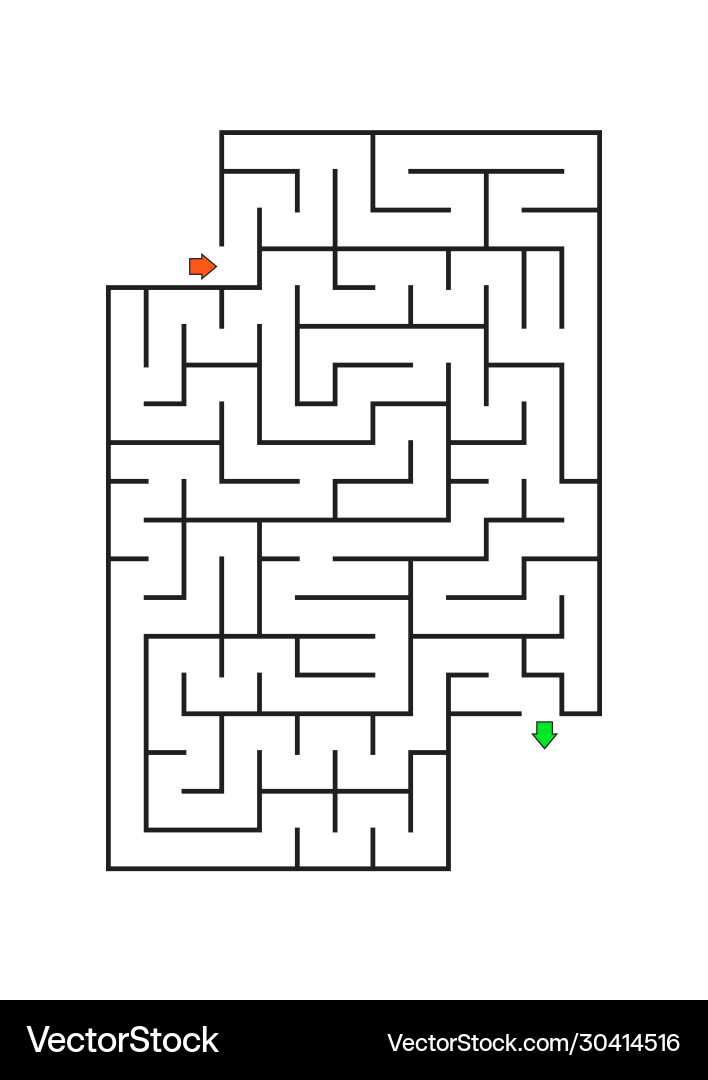
To engage young problem solvers, start by selecting a design that suits their skill level. Opt for simpler patterns for beginners, and gradually move to more complex ones as their abilities improve. You can find a variety of options online that cater to different age groups and difficulty levels. Make sure to choose ones that match their interest, whether they prefer animals, nature, or abstract shapes, to keep them engaged throughout the activity.
Once you’ve downloaded the design, adjust it to fit the paper size you’re using. For a standard layout, print on letter-sized paper, but if you want larger puzzles, consider using A3 or poster-sized sheets. This gives more room for intricate designs and can help in enhancing focus and spatial reasoning skills. If you’re working with younger children, using larger fonts or simplified designs may help them feel more confident in completing the task.
To maximize the experience, print multiple designs and create a collection of activities. This can help maintain interest and provide a structured way to challenge them throughout the week. Additionally, using various types of paper like colored sheets or textured materials can add a fun twist to the activity, making it even more enjoyable. Keep track of progress and offer small rewards for completing each puzzle to encourage further participation.
Free Printable Mazes for Kids
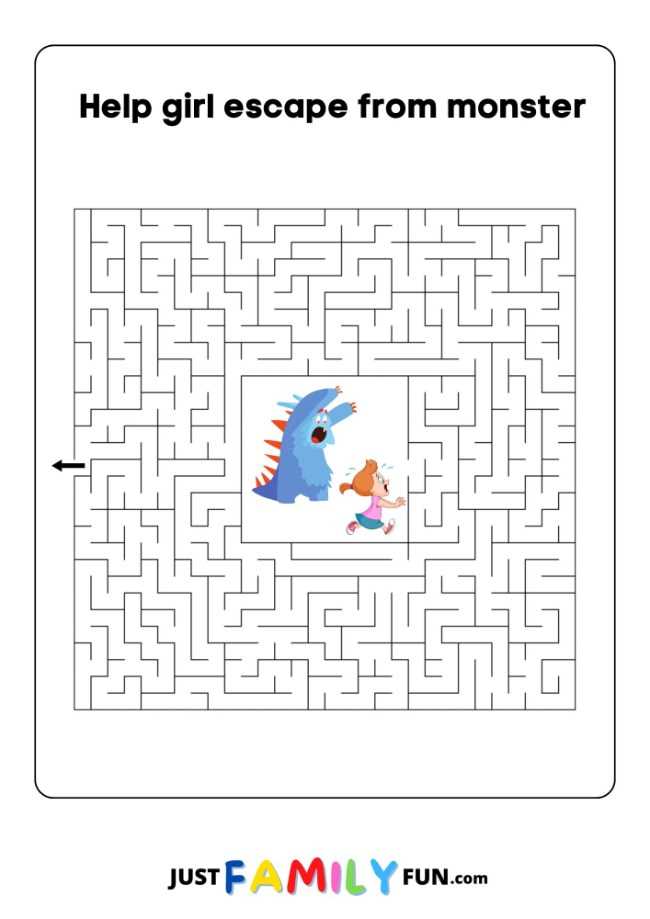
To get started, select an image that aligns with the age group and interests of the child. For younger children, choose simpler designs with wider paths, while older ones may enjoy more challenging puzzles with intricate twists and turns. Adjust the print size based on the difficulty level; larger images are easier to navigate for beginners, while smaller ones increase the challenge for more advanced solvers.
Once you have the design, check the resolution to ensure it’s suitable for printing. A higher resolution will result in cleaner, sharper lines, which makes it easier for kids to follow the paths. If the resolution is low, the lines might appear jagged or blurry when printed, which could cause confusion during the activity. Opt for 300 dpi resolution when possible to maintain clarity.
Choose the right paper for printing. Standard printer paper works fine for basic designs, but using thicker paper, such as cardstock, can help prevent tearing and allow for smoother writing or drawing with crayons or markers. For younger children who might press harder, thicker paper is also more durable and will last longer during use.
If you want to add a creative twist to the activity, try printing designs on different colored paper. For example, a bright yellow background can make the maze more visually stimulating. Colored backgrounds also make the activity feel more fun and engaging for children, making them more likely to stay focused while solving the puzzle.
To further customize the experience, consider laminating the design after printing. Lamination allows the puzzle to be used multiple times, as kids can mark the paths with dry-erase markers. This provides an eco-friendly way to reuse the activity while also making the cleanup process simple and fast.
If you want to make the task even more enjoyable, encourage kids to decorate the puzzle once completed. They can color in the paths, add stickers, or even draw characters around the maze to make the puzzle feel more personal and fun. This creative involvement can also help them retain focus during the activity and increase their sense of accomplishment when finished.
To keep children engaged, print a variety of designs that they can complete over time. This provides a sense of progression, as they can tackle more difficult puzzles as their skills improve. Organizing the designs into categories, such as animals, nature, or space themes, can make the activity feel like a game and keep them excited to solve the next challenge.
Lastly, don’t forget to use the activity as an opportunity for learning. While solving the puzzles, children can practice counting the number of steps to the finish line or describe the patterns and shapes they see. These simple exercises provide a fun way to improve both critical thinking and problem-solving skills while keeping them entertained at the same time.
How to Print and Scale Mazes for Kids
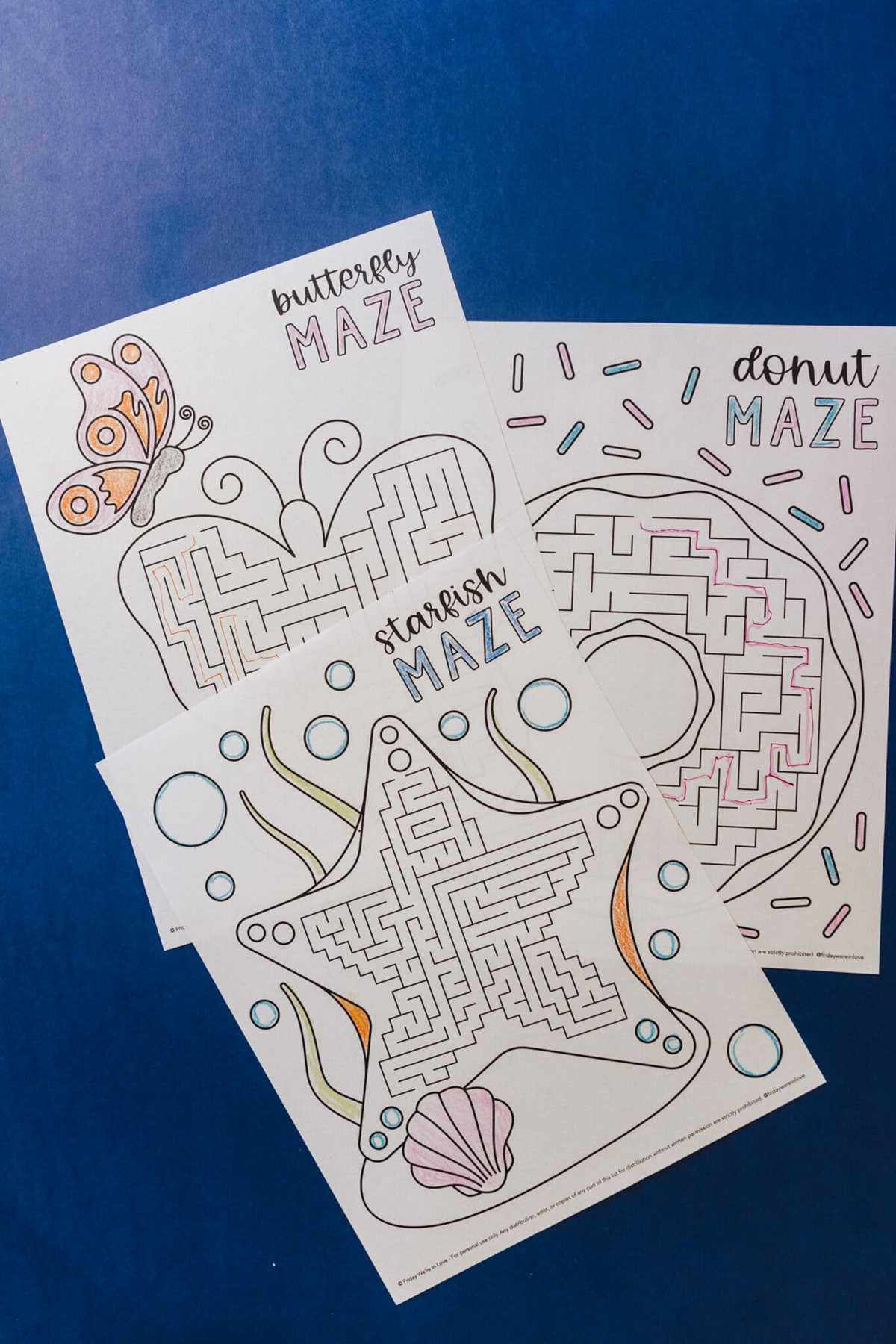
Start by selecting the appropriate layout based on the difficulty level. If the design is too large or small for the paper, adjust the scale in your printer settings. You can do this through the print dialogue by selecting “Fit to Page” or manually adjusting the scaling percentage to maintain the proportions of the layout. For younger children, a larger version may be better, while older children can handle smaller, more complex patterns.
Ensure that the design’s resolution is high enough to avoid pixelation. If the layout appears blurry when printed, try downloading a higher-quality version or increasing the DPI setting in your print settings. A resolution of at least 300 DPI will ensure crisp and clear lines, making it easier for children to follow the paths without confusion.
Once printed, check if the image fits well on the paper. If it’s too large, consider printing it across multiple pages and assembling them to create a bigger version. Some designs may also offer tiled print options, which allow the pattern to be printed in sections that can be cut and pasted together. This method is great for creating larger, more challenging designs.