To create a custom and functional fastening piece, it’s important to select the right materials for your model. A wide variety of filaments, such as PLA, ABS, and PETG, offer different benefits in terms of strength, flexibility, and finish. For practical use, PLA is often the go-to option due to its ease of printing and solid structure. However, for a more durable and long-lasting piece, ABS or PETG may be more suitable. Each filament type will require specific temperature settings and printer adjustments, so understanding the properties of each material will help in achieving the best results.
Once the material is chosen, the design of the piece is the next step. Many software programs are available to help in crafting a precise shape, from basic 3D shapes to more intricate designs. Consider the overall size, functionality, and aesthetic features of your object when designing. A strong fastening mechanism is key, so ensuring proper fit and alignment during the design phase will minimize issues with functionality once the object is printed. Be mindful of the layer height and infill percentage, as these can influence the overall sturdiness and flexibility of your printed item.
After printing, it is important to take the time to refine your object. This may include smoothing the edges, removing any excess support material, or applying a finishing coat to improve the look and feel. Depending on the filament used, some post-processing techniques like sanding or painting can be employed to enhance the appearance and durability of your printed piece. Testing the fit of the model before finalizing ensures that it functions as expected in practical applications.
3D Printable Fastening Components
To ensure a functional and durable fastening piece, begin with selecting the appropriate material. PLA is commonly used for ease of printing and satisfactory durability. However, for components that need to withstand more stress or higher temperatures, ABS or PETG are better alternatives. These materials are more resistant to wear and tear and offer greater flexibility, making them ideal for mechanical parts. Ensure the filament type you choose is compatible with your printer to avoid common issues like warping or poor adhesion.
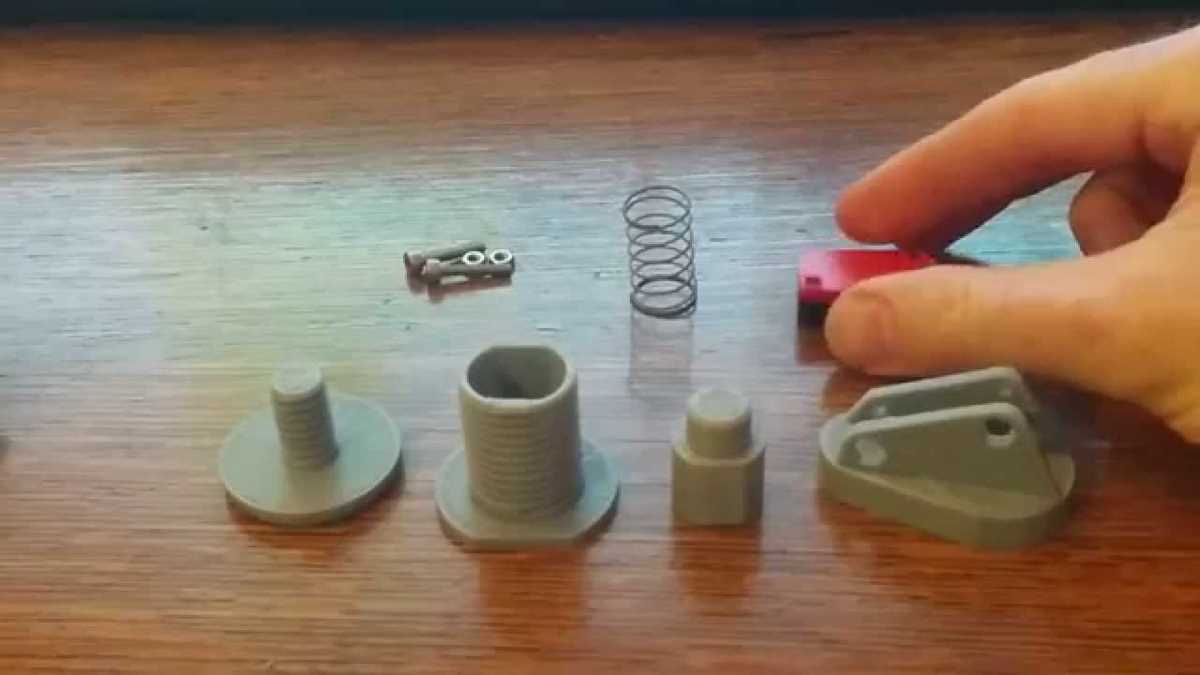
The design stage is critical for achieving a precise fit. Use a 3D modeling tool to design the part with accurate measurements, taking into consideration the size, depth, and thread type if applicable. For fastening purposes, create a model that incorporates a sturdy core while allowing for a smooth interface with other surfaces. Pay close attention to the tolerances and ensure that the final print can interlock securely without too much play. If your design includes moving parts, adjust your dimensions to accommodate them.
Another key factor in the design process is the layer height. Finer layers, typically ranging from 0.1mm to 0.2mm, are ideal for achieving smoother finishes and finer details. However, this comes at the cost of increased print time. If you are looking for a quicker print with less emphasis on detail, increase the layer height to 0.3mm or higher. Keep in mind that thicker layers may result in rougher surfaces, which could impact the aesthetic and mechanical performance of your part.
The infill density and pattern also have a significant impact on the strength and weight of the printed part. For a fastening piece, aim for a higher infill density of around 50% to 100%. This will provide added strength and ensure that the component doesn’t break under pressure. The infill pattern, such as grid or cubic, should be selected based on the balance between strength and print time. More intricate infill patterns will take longer but offer superior durability, while simple patterns may reduce the weight but compromise on strength.
Post-processing is another important step in refining the part. Once the print is complete, remove any support material and smooth out any rough edges. Sanding the surface can improve the fit and overall aesthetics. If you’re using ABS or PETG, you can also use acetone vapor smoothing to achieve a smoother surface. This will not only enhance the look but also reduce friction, making the part easier to fit into its designated space without wear.
Testing the part after printing is crucial. Before using the component in real-world applications, check the fit with the corresponding piece to ensure it functions properly. If the part is a functional fastener, ensure it can hold the intended load without failure. You may need to print additional prototypes if the first one doesn’t meet the required specifications or if the material behaves differently than expected under load.
Finally, consider experimenting with different finishes or textures to enhance the appearance of your printed part. Some filament types offer glossy or matte finishes, while others allow for painting. Adding textures or designs can further personalize the part, making it suitable for decorative purposes as well as functional applications. Whether you need a simple, durable fastening component or a unique, customized piece, 3D printing offers the flexibility to create a variety of solutions tailored to your needs.