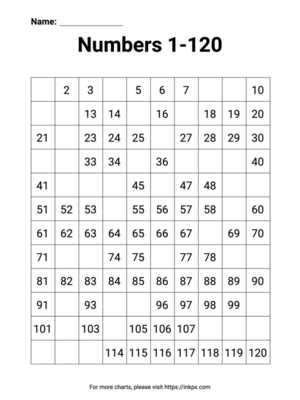
For a more effective way to teach numerical patterns and counting, using a grid with sequential numbers can be a game changer. These grids help students see the relationships between numbers, providing visual clarity on how they progress. Teachers often use such grids to introduce young learners to counting by ones, tens, and other patterns.
The best way to enhance understanding is to start with a simple version, where children can easily track individual numbers. As they get comfortable, you can introduce variations by adding color-coded sections or other visual aids that highlight specific patterns, like multiples of five or ten. This helps students build a solid foundation in math.
Utilize these resources for various activities. You can mark specific numbers to practice skip counting, or have children fill in missing numbers to reinforce their skills. Once the basics are covered, challenges like identifying number sequences or solving simple math problems become more intuitive.
Printable One Hundreds Chart
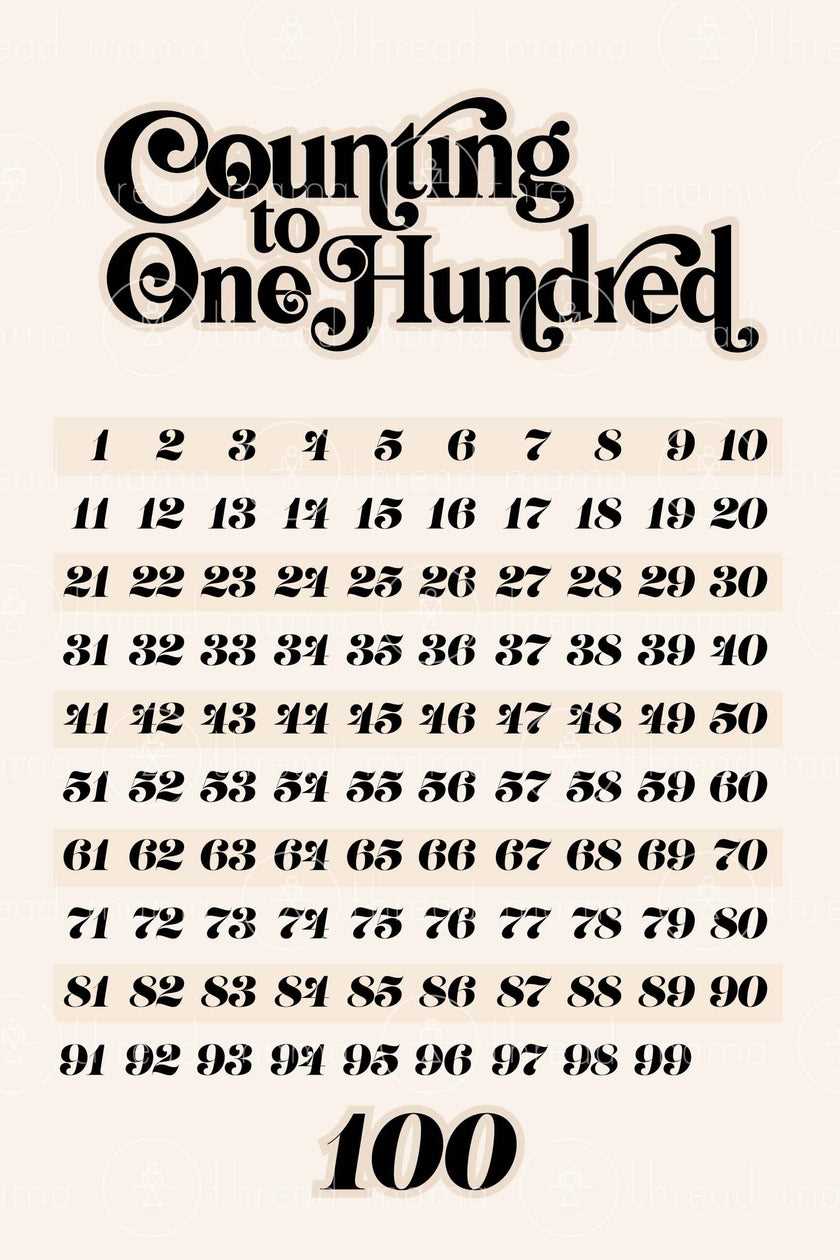
For introducing basic number sequences to young learners, using a numbered grid can significantly improve understanding. These grids are a simple but effective tool to teach children about numerical order and help them visualize how numbers relate to one another.
Start with a 10×10 grid, with numbers 1 through 100 clearly laid out in rows. This arrangement allows students to visually track where numbers fall in relation to each other and helps them practice counting up and down. It’s especially useful for activities that focus on skip counting, multiplication tables, and identifying number patterns.
Consider color-coding the rows or columns to highlight multiples. For example, marking the multiples of five with one color and the multiples of ten with another provides students with an easy reference to identify these patterns. This method not only makes the learning process more engaging but also strengthens their understanding of mathematical concepts.
Another way to utilize this grid is through interactive exercises. Have children find specific numbers, fill in missing ones, or even color in certain areas to match number patterns. This will reinforce their recognition and mastery of sequences. It’s a hands-on approach that turns learning into a fun challenge.
If the grid is used in conjunction with games, such as bingo or number scavenger hunts, students will develop a deeper familiarity with number placement and counting in various directions. This active approach allows children to practice in a way that feels less like traditional study and more like an exciting game.
Once students are comfortable with basic number sequences, advanced versions of the grid can incorporate larger numbers or be used for more complex tasks, such as addition or subtraction exercises. As they progress, they will see how the structure remains constant, helping them tackle more challenging mathematical concepts with confidence.
How to Use a 100 Chart for Teaching Number Recognition
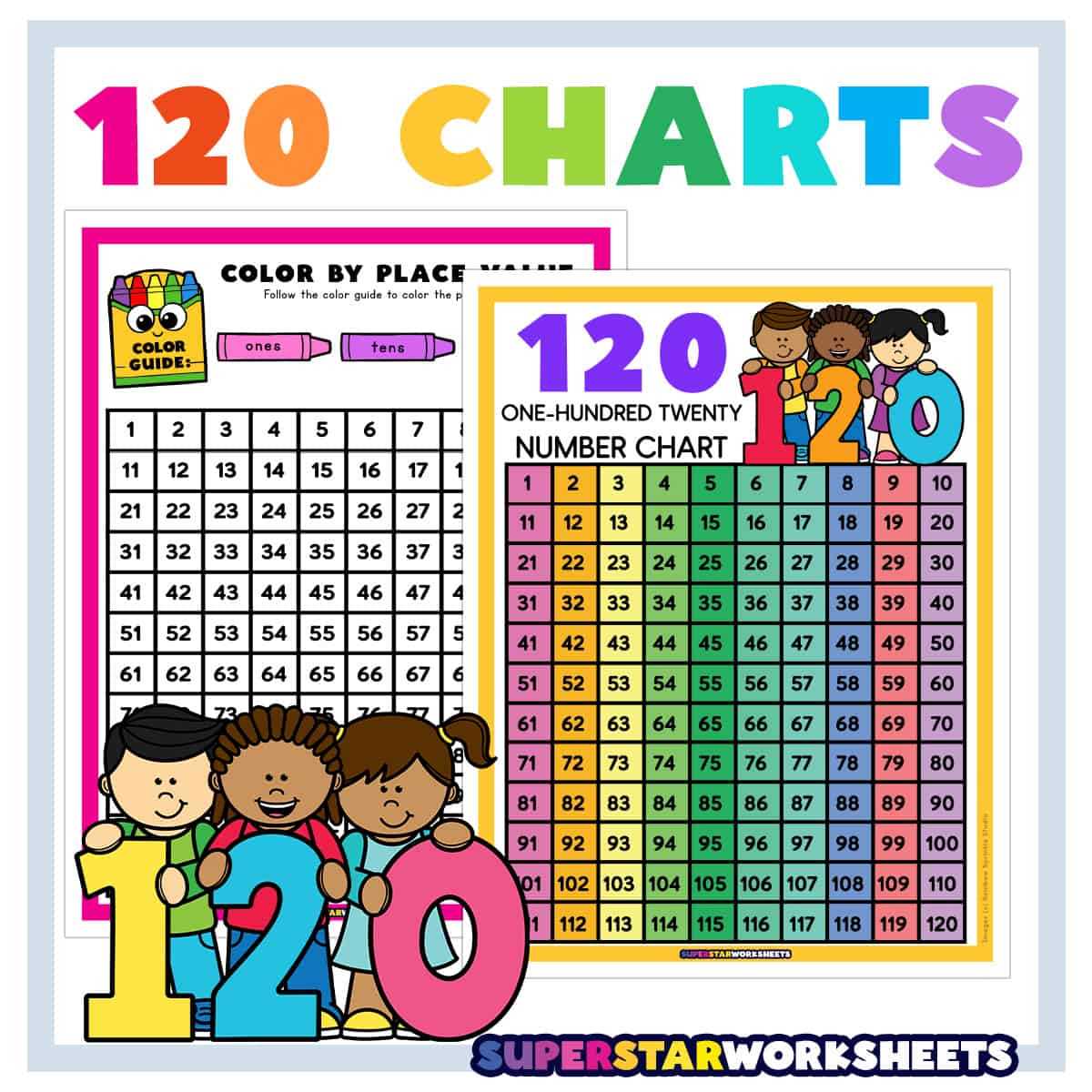
Begin with a simple number grid and ask students to locate specific numbers within the layout. Start with small numbers like 1, 2, and 3, and gradually move up as they become more confident. This visual representation helps students connect the written number with its physical position.
As learners become familiar with the basic number sequence, use the grid to introduce skip counting. For example, ask them to identify every fifth or tenth number on the grid. This reinforces the structure of the number system while enhancing their ability to recognize numbers in intervals.
Use the grid for number search exercises. For instance, call out a number and ask students to quickly find it on the grid. This fast-paced activity strengthens their number recognition skills and helps them become comfortable with locating numbers quickly and efficiently.
For more interactive learning, have students fill in missing numbers on a partially filled grid. This activity reinforces their understanding of number order and improves their ability to recall numbers based on their relative positions.
To deepen the learning process, incorporate color-coding or highlighting. You can assign different colors to different ranges (e.g., 1-20 in red, 21-40 in blue) to visually group numbers. This will help students visually segment numbers and recognize patterns within the sequence more easily.
As students grow more comfortable with number recognition, challenge them by asking more complex questions using the grid. For example, ask them to find the number that comes before or after a given number, or to identify numbers that are multiples of 2 or 5. These activities deepen their number sense and foster a strong understanding of numeric relationships.