To create custom designs on fabric or other materials, select high-quality heat transfer sheets that are compatible with your cutting machine. These sheets are versatile for crafting apparel, home décor, and more. Begin by choosing the right type of transfer material for your project: some are suitable for light fabrics, while others work best for dark fabrics or specific textures.
When cutting, make sure to adjust the settings on your machine according to the material type. It’s also helpful to mirror the design before cutting, especially if it includes text, so it will appear correctly when applied. Once the design is cut, carefully weed out excess material to reveal your design.
For the application process, use a heat press or household iron, depending on the material and your available equipment. Ensure the fabric is preheated for a smooth transfer, and apply firm, even pressure for the recommended time to ensure the design sticks well. Remember to follow the manufacturer’s instructions on temperature and pressure for the best results.
By understanding the materials and the application process, you can effectively create long-lasting, high-quality designs. Practice with different fabrics and transfer types to find the perfect combination for your needs.
Detailed Guide on Vinyl Transfer Projects
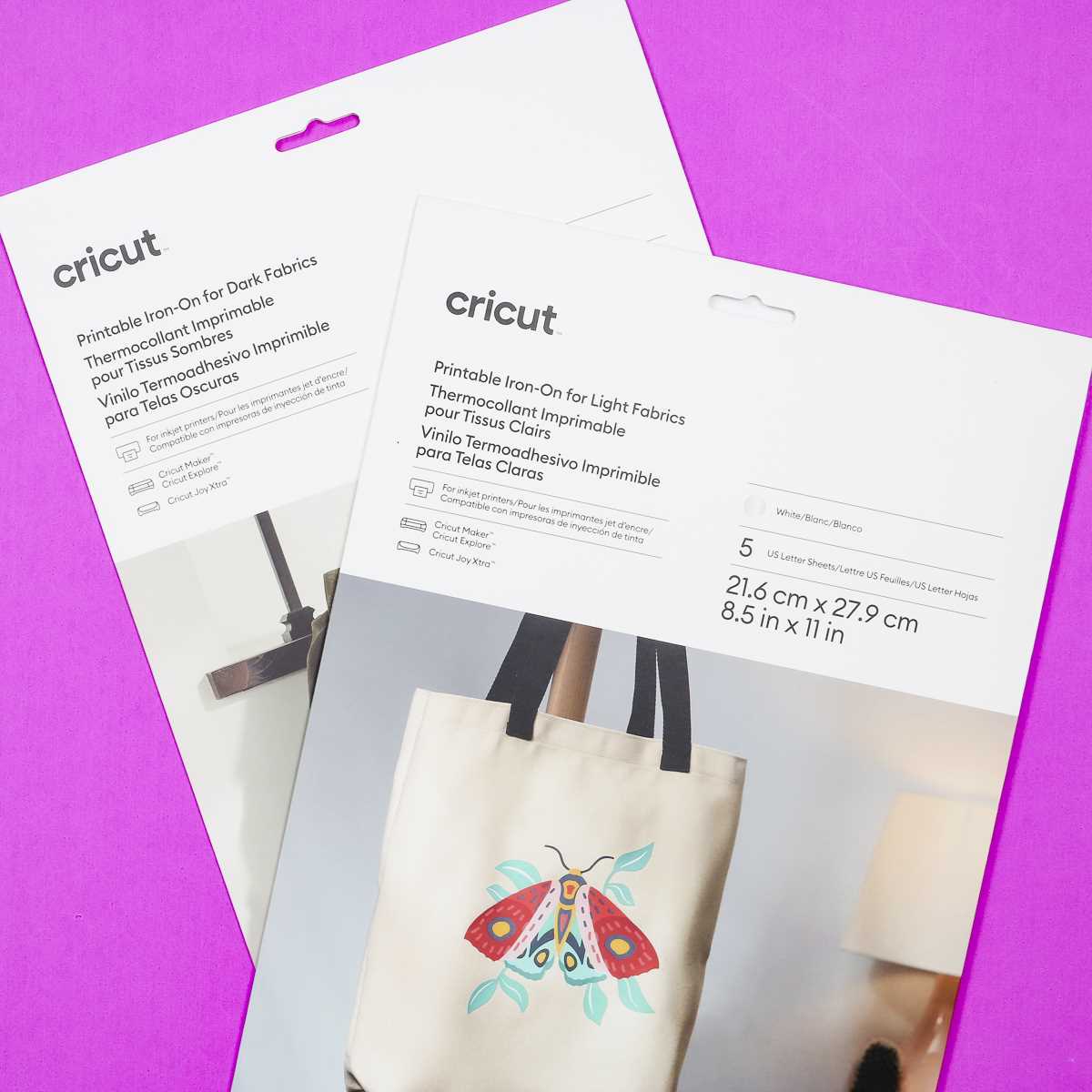
For successful custom fabric designs, it’s crucial to use the right type of heat transfer sheets that suit your material. Start by selecting a transfer material that works best for your fabric–whether it’s cotton, polyester, or blends. Pay close attention to the color and texture of the fabric, as these can impact the final result of your design.
Before beginning the cutting process, prepare your design in the software of your choice, ensuring that it’s mirrored correctly. If your design contains text or symmetrical elements, mirroring is a key step for accurate placement on the fabric. Set your cutting machine to the appropriate material settings, taking care to adjust for the thickness of the transfer sheet.
Once your design is cut, use a weeding tool to carefully remove the excess material. This will leave you with only the design you intend to transfer onto your fabric. It’s important to be meticulous during this step to avoid damaging any parts of the design, especially when dealing with intricate details.
When you’re ready to transfer the design, ensure your fabric is clean and free of wrinkles. Preheat the fabric using a heat press or iron to ensure a smooth surface for the transfer. The heat will help the adhesive bond better, ensuring that the design sticks properly during the application.
Place the transfer sheet onto the fabric, with the adhesive side facing down. Apply consistent pressure and the appropriate temperature for the recommended time to ensure a strong bond between the material and the design. Be sure to follow the heat transfer sheet’s guidelines for optimal temperature settings, as these may vary depending on the type of fabric and transfer material used.
After the transfer is complete, allow the fabric to cool slightly before peeling away the backing sheet. Be cautious during this step; if the design hasn’t fully adhered, you may need to reapply heat for a few more seconds. Always check the transfer after it has cooled to confirm that it has bonded securely to the fabric.
Once the design has been successfully applied, let the fabric sit for 24 hours before washing it. To ensure longevity, hand wash the item or machine wash it on a gentle cycle with cold water. This will preserve the quality of the design, allowing it to last longer without fading or peeling off.
Choosing the Right Material for Your Heat Transfer Projects
Start by identifying the type of fabric you’ll be working with. If you’re applying designs to cotton, polyester, or blends, make sure the material is compatible with the transfer sheets you’re considering. Different fabrics react differently to heat, so it’s critical to match the material with the appropriate transfer material.
For delicate fabrics like silk or rayon, opt for a lighter-weight transfer sheet that can be applied at a lower temperature to avoid damaging the fabric. Heavier materials like denim or canvas, on the other hand, require a stronger transfer sheet to ensure proper adhesion.
Consider the durability of the transfer material as well. Some sheets are designed for long-lasting applications, even after multiple washes, while others may begin to peel or fade over time. Choose a transfer material that will withstand the wear and tear expected for your specific project, especially if the item will be washed frequently.
Next, think about the design complexity. If your design is intricate or contains fine details, choose a material that allows for precise cutting. Thin, flexible transfer sheets are ideal for these projects, as they can pick up small details without compromising the design’s clarity.
If you’re working with bold, large designs or a multi-color graphic, opt for a thicker transfer material that will cover larger areas without cracking or peeling. These materials are better suited for expansive designs and can provide a cleaner, smoother application over larger surfaces.
Don’t forget to check the recommended temperature and time settings for the material you’re using. Each type of transfer material has a specific temperature range that will give the best results. Incorrect heat settings can lead to poor adhesion, uneven application, or fabric damage.
Finally, consider the finish you’re looking for. Some transfer sheets come in matte, glossy, or glitter finishes. If you’re aiming for a shiny, reflective look, select a glossy material. For a subtle, more sophisticated appearance, choose a matte finish.
Experiment with different materials before committing to a large project to ensure you achieve the desired results. Testing on scrap fabric can save you time and materials, helping you make any adjustments to your technique before applying the design to your final piece.