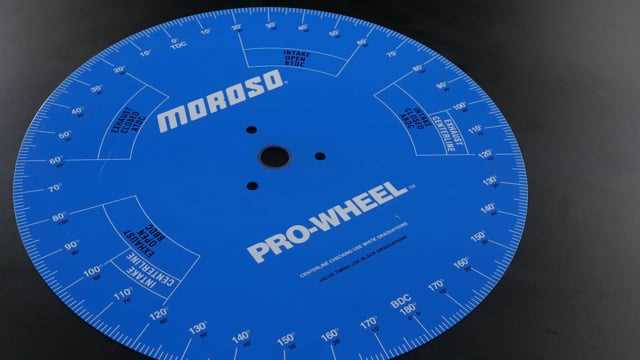
For accurate engine timing, a precise circular scale is a must-have tool. It allows for easy measurements and adjustments, crucial for optimizing performance. One of the most common ways to use this tool is by printing a detailed template, which you can place on the crankshaft or flywheel for timing checks. This printable guide helps you to set the timing marks accurately, ensuring your engine runs at its peak.
Using a printed circular scale is straightforward and highly effective when aligning the timing marks with the correct specifications. Whether you’re building or tuning an engine, getting the angles and measurements right can make a significant difference. By printing this tool, you can avoid unnecessary expenses while still achieving professional-grade precision.
If you’re new to using such tools, don’t worry. A clear, easy-to-follow template simplifies the process. Make sure your printed scale is aligned correctly on your engine’s rotating parts to achieve accurate results. With this, you can efficiently adjust your engine’s timing, avoiding potential errors and achieving optimal performance in no time.
How to Use a Printable Timing Scale for Accurate Engine Tuning
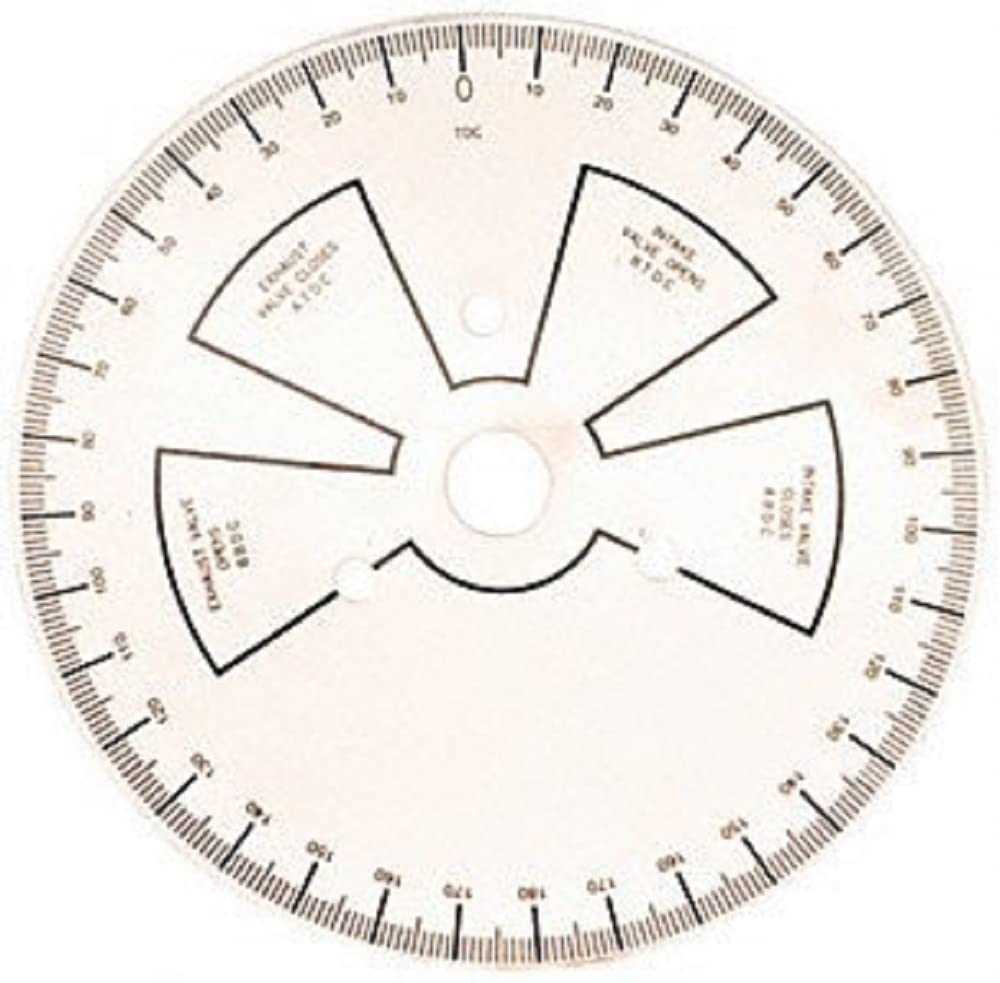
To get precise timing adjustments for your engine, start by ensuring that your circular template is properly aligned with the engine’s crankshaft. A simple method is to print the tool in the correct size and cut it out carefully. Ensure that the scale is positioned flush against the crank or flywheel, making sure the markings are clear and easy to read. This setup guarantees accuracy in your timing measurements, preventing errors that could affect engine performance.
Once the scale is printed and aligned, use a marker to set your reference points. Mark the top dead center (TDC) and other relevant timing degrees on the template. These reference marks are essential for setting the engine’s timing to the manufacturer’s specifications, which is critical for optimizing engine performance.
For those who are not familiar with using these tools, it’s recommended to check the template several times for accuracy before making any adjustments. Use a dial indicator to confirm the position of your engine’s piston before proceeding with any adjustments. This helps to double-check the TDC and ensure that the template is positioned perfectly.
Additionally, when printing the template, make sure that you select a high-resolution file to ensure the markings are sharp and legible. This will make it easier to read the measurements as you adjust the engine. A low-quality printout might lead to blurry or misaligned markings, leading to incorrect adjustments and potentially damaging the engine.
After you’ve set the timing accurately, check for any potential errors by rotating the engine and revisiting the timing marks. This extra step ensures the accuracy of the adjustments made, ensuring the engine runs at its optimal performance. Proper calibration is the key to achieving the desired results, and by following these simple steps, you can confidently tune your engine for better performance and longevity.
How to Accurately Use a Tool for Timing Adjustments
Begin by securely attaching the timing scale to the engine’s crankshaft. It’s critical that the tool aligns perfectly with the reference points on the engine. Ensure that the scale’s markings are visible and clear, and make any necessary adjustments to the alignment. This setup is crucial for achieving precise timing changes, so take your time to double-check its positioning before proceeding.
Next, rotate the engine slowly by hand while observing the timing marks on the scale. Look for the point where the piston reaches top dead center (TDC) and align it accurately. Use a dial indicator to verify the TDC and ensure the engine’s rotational movement is correct. By doing this, you will ensure the accuracy of your adjustments, which will directly affect engine performance.
Once the reference points are set, make the necessary timing adjustments according to the manufacturer’s specifications. Afterward, rotate the engine again to verify that the marks haven’t shifted. This extra verification step is key to ensuring that your adjustments are consistent and that the engine is functioning properly. By following these detailed steps, you’ll be able to achieve the most accurate timing setup possible for optimal performance.