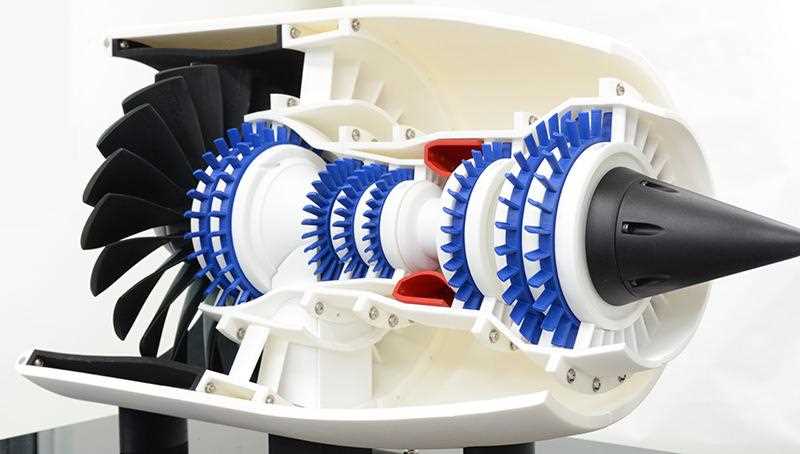
To accurately reproduce complex mechanical components, begin by choosing the appropriate 3D scanning or CAD software. Software like SolidWorks or AutoCAD allows for precise control over dimensions and intricate features, ensuring a high-quality digital design that aligns with your intended physical object.
Once your design is ready, select the right 3D printing technology. For fine details, use resin-based printers, which provide smoother finishes and greater precision than traditional filament methods. If durability and strength are your primary concern, FDM printing with high-strength thermoplastics like ABS or polycarbonate may be more suitable.
After printing, ensure that post-processing is done correctly. Sanding and polishing the surface can remove imperfections, while adding any necessary paint or coatings will enhance the model’s appearance and durability. Pay attention to the support structures left by the printing process, as removing them cleanly is crucial for maintaining the overall integrity of the design.
3D Printed Mechanical Components
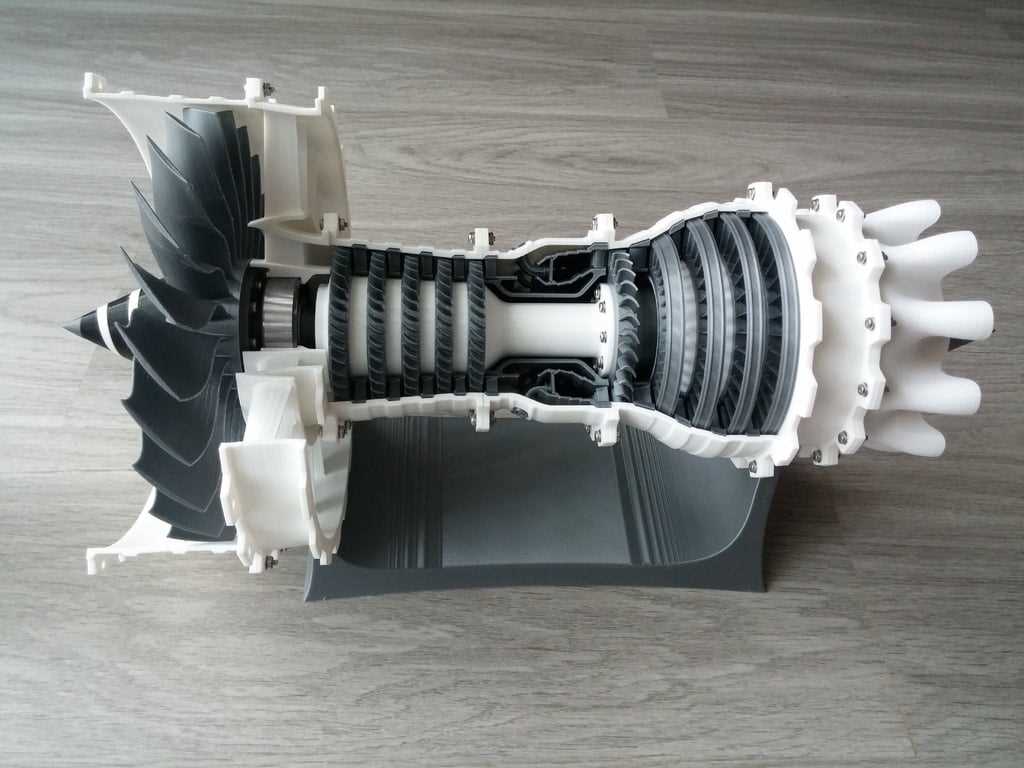
To create a highly accurate replica of a complex mechanical structure, start with an in-depth digital design. Utilize CAD software such as Fusion 360 or SolidWorks for detailed technical specifications, ensuring your design is ready for manufacturing. Pay attention to material constraints and choose the right medium based on the strength and detail required in the final print.
Choosing the correct 3D printing technology will significantly impact the result. If fine detail is needed, opt for resin-based printers like SLA (Stereolithography) or DLP (Digital Light Processing). For more durable parts, consider FDM (Fused Deposition Modeling) printers using high-performance thermoplastics. The resolution of your printer should match the complexity of the design to avoid rough or uneven surfaces.
After printing, the assembly and finishing process plays a large role in the quality of the output. Carefully remove support structures to prevent any damage to fragile components. Post-processing methods like sanding, polishing, and applying coatings improve both the visual quality and strength of the part. If multiple pieces are involved, ensure all sections fit together accurately by performing dry fits before final assembly.
Testing your printed parts is crucial. Depending on the intended application, simulate real-world conditions using stress tests or load-bearing evaluations. For parts that will undergo significant mechanical stress, consider incorporating reinforcements or redesigning certain features for added strength. Regularly check for any warping or misalignments that could impact functionality.
Choosing the Right 3D Printing Technology for Engine Models
For highly intricate mechanical parts, choose a resin-based 3D printing method like SLA or DLP. These technologies provide superior precision, capturing fine details and small features with high resolution. If accuracy is a priority, opt for these methods to ensure smooth surfaces and minimal post-processing.
If the goal is to produce durable components, consider FDM printers that use materials such as ABS or polycarbonate. These printers offer stronger parts, better suited for functional use or parts that will endure mechanical stress. Select the material based on the required strength-to-weight ratio for your design.
For larger or more complex parts, SLS (Selective Laser Sintering) offers an excellent alternative. This method uses a laser to fuse powdered material, allowing for the creation of robust components without the need for support structures. SLS can handle a wider range of materials, including nylon and metal powders, making it suitable for high-performance applications.
The resolution of your chosen technology will play a key role in the outcome. Higher resolution ensures more precise detailing but may increase printing time and cost. Always match the resolution to the level of detail needed in the component, keeping in mind that some printers are better for fine features, while others excel at strength or durability.
Consider the post-processing requirements of each technology. Resin prints, for instance, often need cleaning, curing, and sanding to achieve the desired finish. FDM prints may require support removal and surface smoothing. Factor in the time and effort needed for these tasks when selecting the printing method.
Finally, evaluate the cost and material compatibility of the printer. High-end technologies like SLA and SLS offer exceptional quality but are often more expensive and require specialized materials. For prototyping, FDM may be a more cost-effective solution, whereas SLS could be a better choice for low-volume production or functional testing.