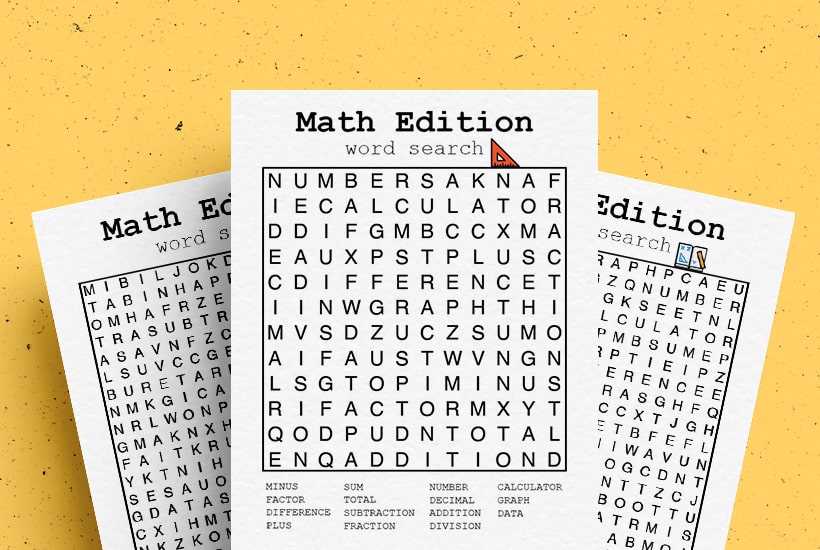
To help students improve their problem-solving and pattern recognition skills, create fun challenges using letters that represent various mathematical terms and concepts. Choose relevant terms like equations, variables, and operations for a focused learning experience. These activities provide an enjoyable way for students to reinforce their knowledge while enhancing cognitive abilities.
For an interactive classroom activity, consider offering different difficulty levels by adjusting the complexity of the terms included. For beginners, use simple numerical terms or operations like addition or subtraction. For more advanced learners, include algebraic expressions, geometric shapes, or even calculus-related terms. Adjusting the complexity ensures all students, regardless of their skill level, can participate and benefit.
These activities are also excellent for homework or individual practice. Print a fresh set regularly, giving students the opportunity to apply new concepts as they progress through lessons. Encourage a competitive yet fun environment by tracking completion times or challenging students to find the most words in a given time period.
Creating Engaging Challenges for Educational Growth
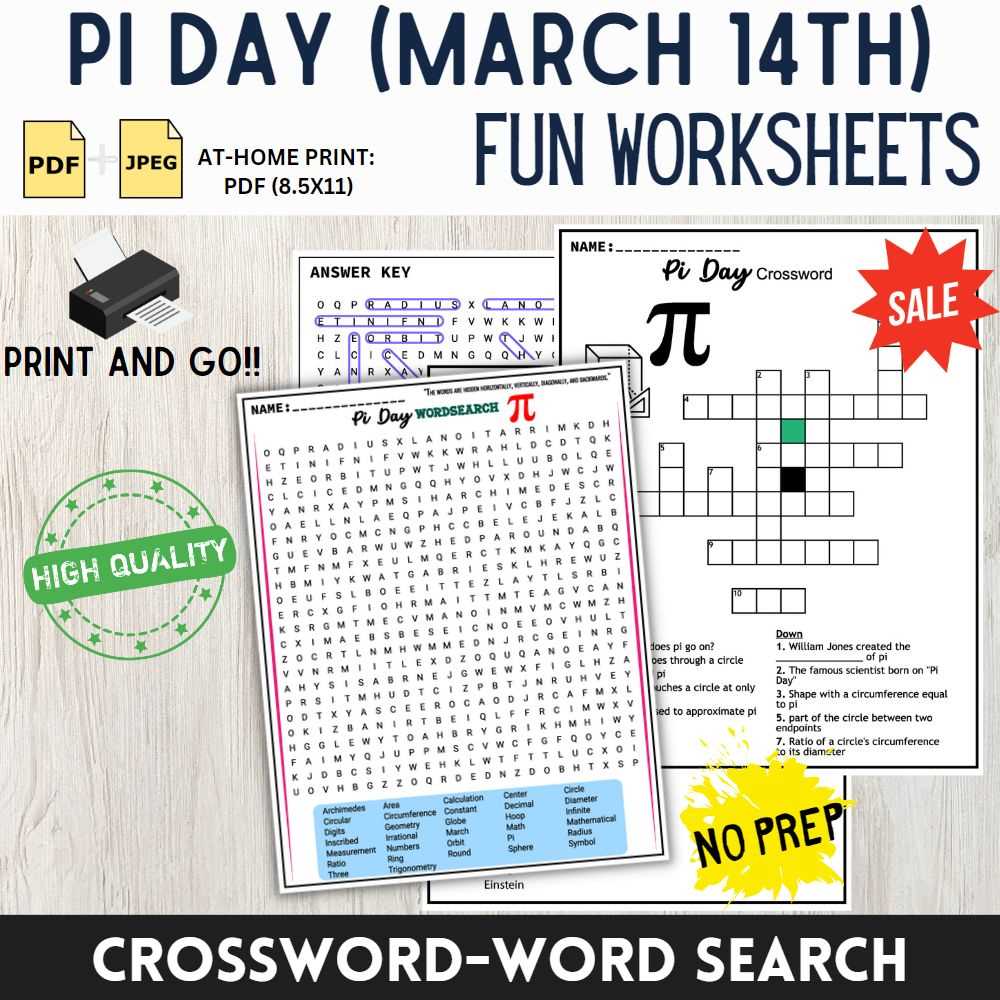
Start by selecting specific terms related to the current topic being studied, such as geometric shapes, formulas, or other related terms. Choose terms that are relevant to students’ learning level, ensuring that the activity challenges their knowledge while remaining accessible. By targeting these specific words, you reinforce what students are currently learning.
Use a variety of directions in which the terms can appear. Include horizontal, vertical, diagonal, and backward orientations to make the search more challenging and stimulating. This variation encourages pattern recognition and sharpens visual scanning skills, helping students focus better and think critically.
For more advanced learners, increase the complexity by introducing multi-word terms such as formulas or the names of complex concepts. As the difficulty level rises, students will develop stronger analytical skills and greater familiarity with more advanced terminology. Ensure the terms are aligned with the current curriculum to make the activity both educational and challenging.
When preparing the puzzle, make sure the grid size is appropriate for the difficulty level. For younger students, a smaller grid with fewer terms works well, while older students will benefit from a larger grid filled with more complex terms. Adjusting the size helps cater to different age groups and learning stages, ensuring the activity is neither too easy nor too overwhelming.
Incorporating colored highlights or underlines to identify key terms can help younger learners stay focused and avoid frustration. Consider offering multiple hints or guidance for those who may struggle with finding words. Gradually reduce the number of hints as students become more confident in their abilities.
These activities are useful for group settings as well. Turn the challenge into a competition by seeing which student or group can find all terms first. Rewarding effort and teamwork can create a fun and motivating environment that fosters both collaboration and individual achievement.
Once the puzzle is complete, encourage students to use the terms they found in their homework or class discussions. By applying the new vocabulary, they reinforce their understanding and improve retention. It’s a simple yet effective way to incorporate more practice with minimal time investment.
Lastly, consider creating themed puzzles based on different topics or subjects, such as algebra, calculus, or geometry. This thematic approach helps connect terms to specific areas of study, making the activity even more relevant and beneficial to the learning process.
How to Create Custom Math Word Search Puzzles for Students
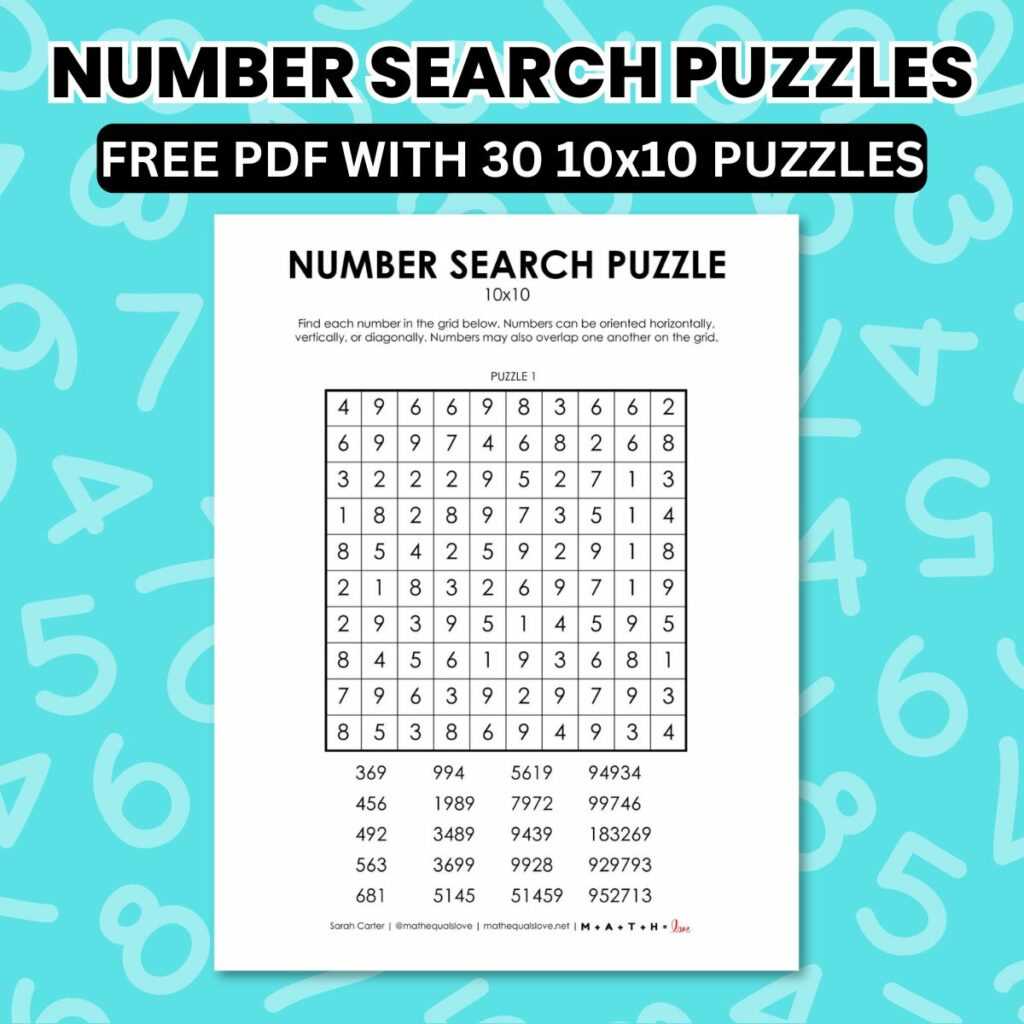
Begin by selecting relevant terms based on the topics you want students to practice. For example, if focusing on geometry, include terms like “triangle,” “angle,” and “parallel.” Use a mix of simple and complex terms to cater to different skill levels within your class. Make sure the words are meaningful and reinforce concepts being taught.
Once you’ve chosen the terms, create a grid that is appropriately sized for your students’ age group. For younger learners, a 10×10 grid with 8-10 words is a good starting point. For older students, increase the grid size and the number of terms. Randomly place the words in horizontal, vertical, and diagonal orientations, ensuring they are not too close together to make the puzzle solvable but still challenging.
After the puzzle grid is complete, add a word list for students to reference. This helps guide them through the activity without making it too difficult. To further challenge your students, you can leave out certain terms from the list or give them only partial clues. Once students complete the activity, have them share their answers and discuss the terms to reinforce their learning.