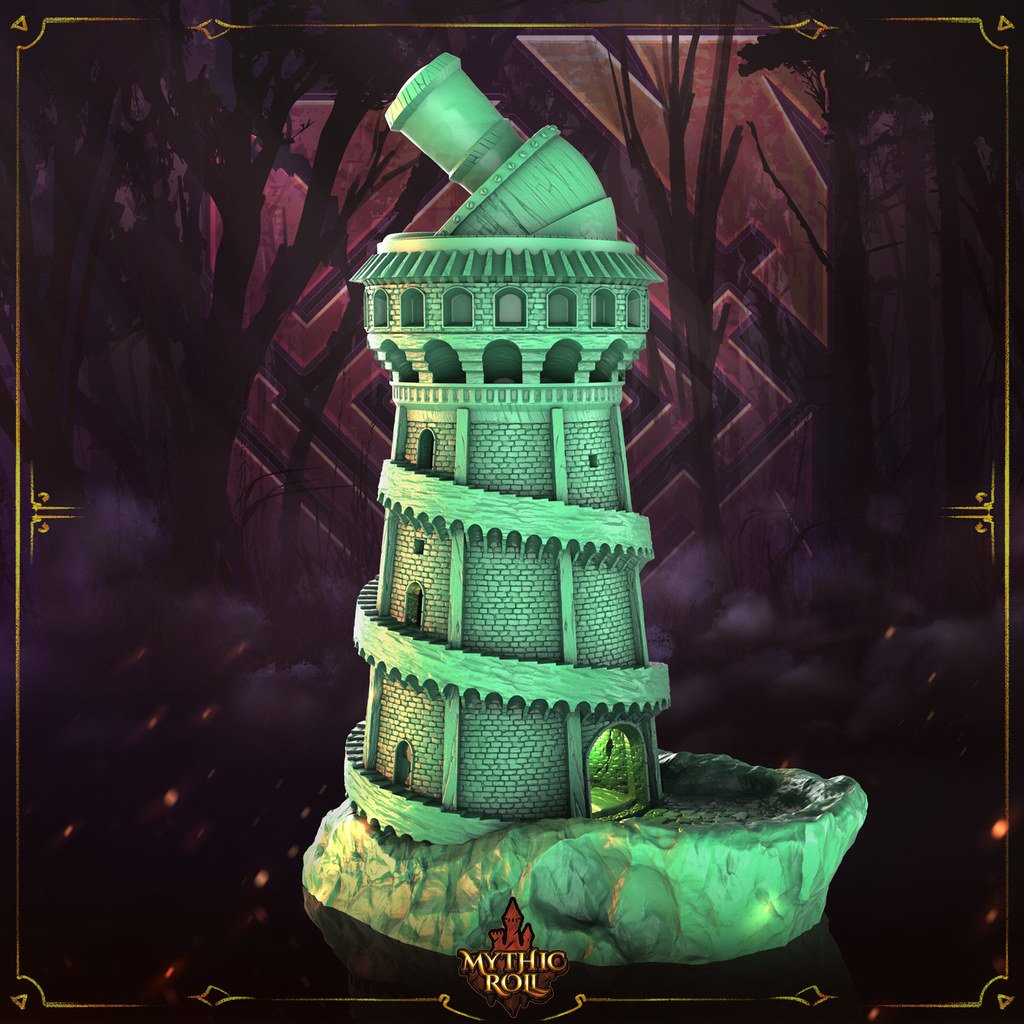
When creating your own randomizer for tabletop games, start by selecting a design that is both functional and visually appealing. There are various 3D models available online, some of which are simple, while others offer a more intricate design. Choose a model that suits the space you have available and consider the mechanics you need for your game, such as how the object will distribute the rolling pieces.
Once you’ve selected a design, make sure your 3D printer settings are optimized for durability and precision. Printing materials like PLA or ABS are commonly used, but you may also want to explore specialty filaments for added strength or aesthetic qualities. A smooth, stable print is key for ensuring that the object functions properly without any malfunctions during gameplay.
Don’t forget to check for customizations you can make to enhance usability. Some designs include slots for added features like compartments for holding the rolling items or customizable features that allow you to personalize the look. In many cases, you can find a community of creators online who have already made tweaks to improve the design, so make sure to explore those options before printing the final version.
How to Build a 3D Printed Randomizer Structure
Start by selecting a design that fits your table setup and functionality needs. Look for a model that aligns with the game’s pace, allowing for smooth operation. You can find various options on sites like Thingiverse, where creators share their detailed designs. When choosing the structure, ensure the dimensions and complexity are suitable for your 3D printer’s capabilities.
Next, prepare your 3D printer. Use materials like PLA for a strong, lightweight structure. If you’re looking for added durability, consider using ABS or PETG. Adjust print settings for a high level of detail, especially for areas that require a tight fit, like ramps or chutes. If your printer allows for multiple materials, consider adding support structures that will help maintain the integrity of the design during the printing process.
Once the print is complete, you can begin the assembly. Some models may require you to glue parts together, while others fit through snap-in mechanisms. If your print features multiple components, ensure they align correctly and that the connection points are firm. After assembly, check the randomizer’s movement to ensure it operates smoothly without any jams or issues during use.
Choosing the Right Materials for Your Randomizer Structure Design
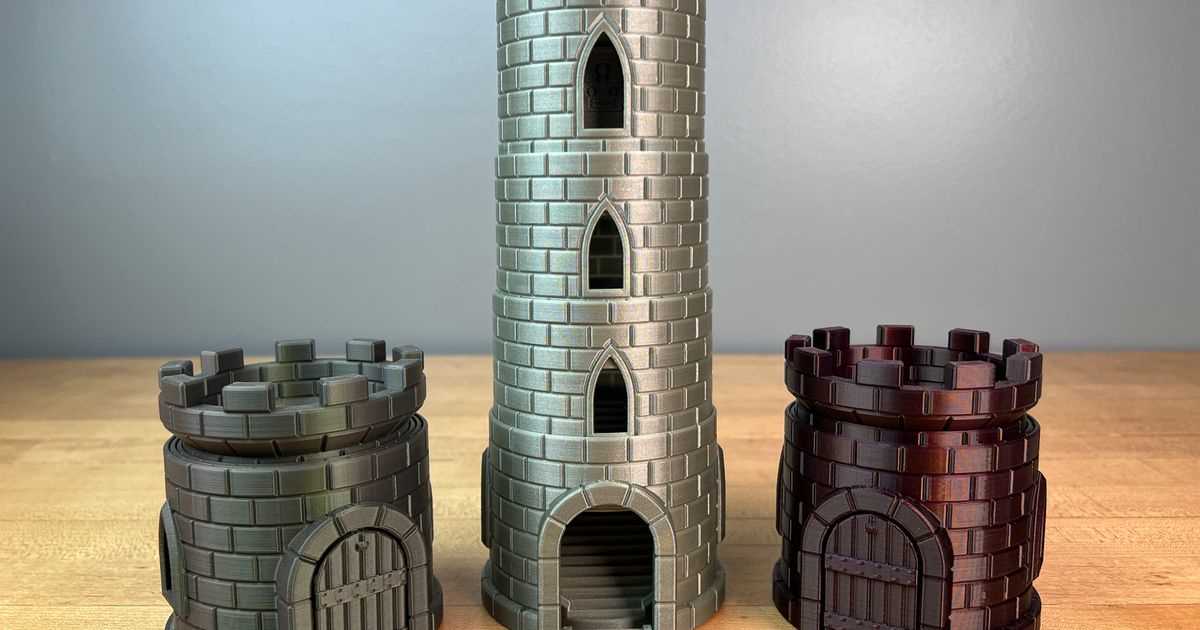
For a durable and lightweight design, PLA (Polylactic Acid) is the most common material used. It’s easy to work with and produces smooth prints, making it ideal for beginners. PLA is available in a variety of colors and finishes, allowing you to personalize your creation. If you’re aiming for a more robust build, especially if your design has intricate internal components, ABS (Acrylonitrile Butadiene Styrene) provides additional strength and can withstand higher temperatures.
If you plan to incorporate transparent or colored accents into your structure, PETG (Polyethylene Terephthalate Glycol) is a great option. It’s more flexible and resistant to impact compared to PLA, making it suitable for designs that undergo frequent handling. For those seeking a premium finish, resin is the best choice, although it requires a resin printer and careful handling. Consider the weight, durability, and flexibility of each material based on the complexity of your design and your intended use.