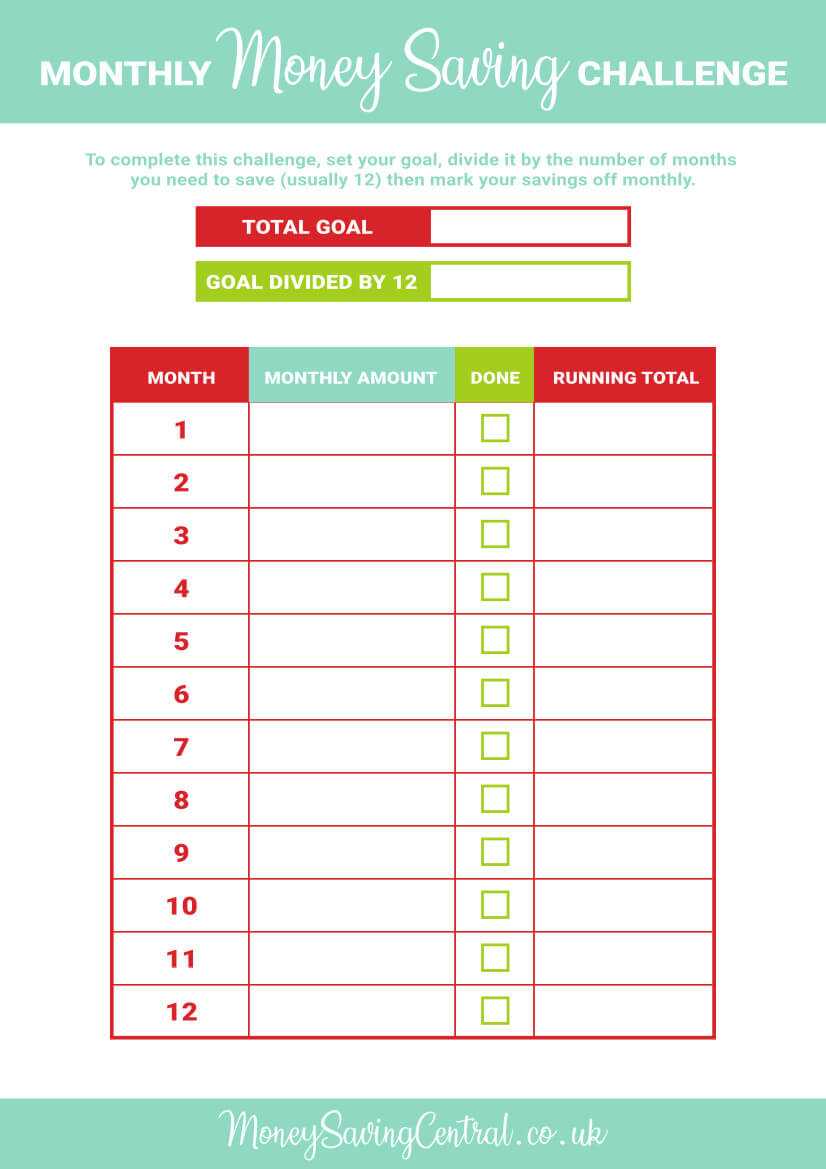
Start by creating a clear, actionable roadmap for building up your finances. Choose a plan that offers step-by-step progress and is easy to follow, ensuring you stay on track throughout the month. This method allows you to focus on setting specific amounts to save at regular intervals, which will make your financial goals feel more achievable.

Next, implement a system that helps you track every dollar you save. Use a visual guide that lays out the amount you need to save each week or day. This method not only keeps you motivated but also provides a tangible way to monitor your progress and see the results of your efforts in real-time.
Lastly, stay consistent. The key to success with this type of financial plan is to stick to the process, adjusting as necessary. Regularly check your progress to ensure you’re meeting your targets, and consider rewarding yourself for completing smaller milestones along the way to maintain momentum.
Monthly Savings Challenge to Improve Your Budgeting
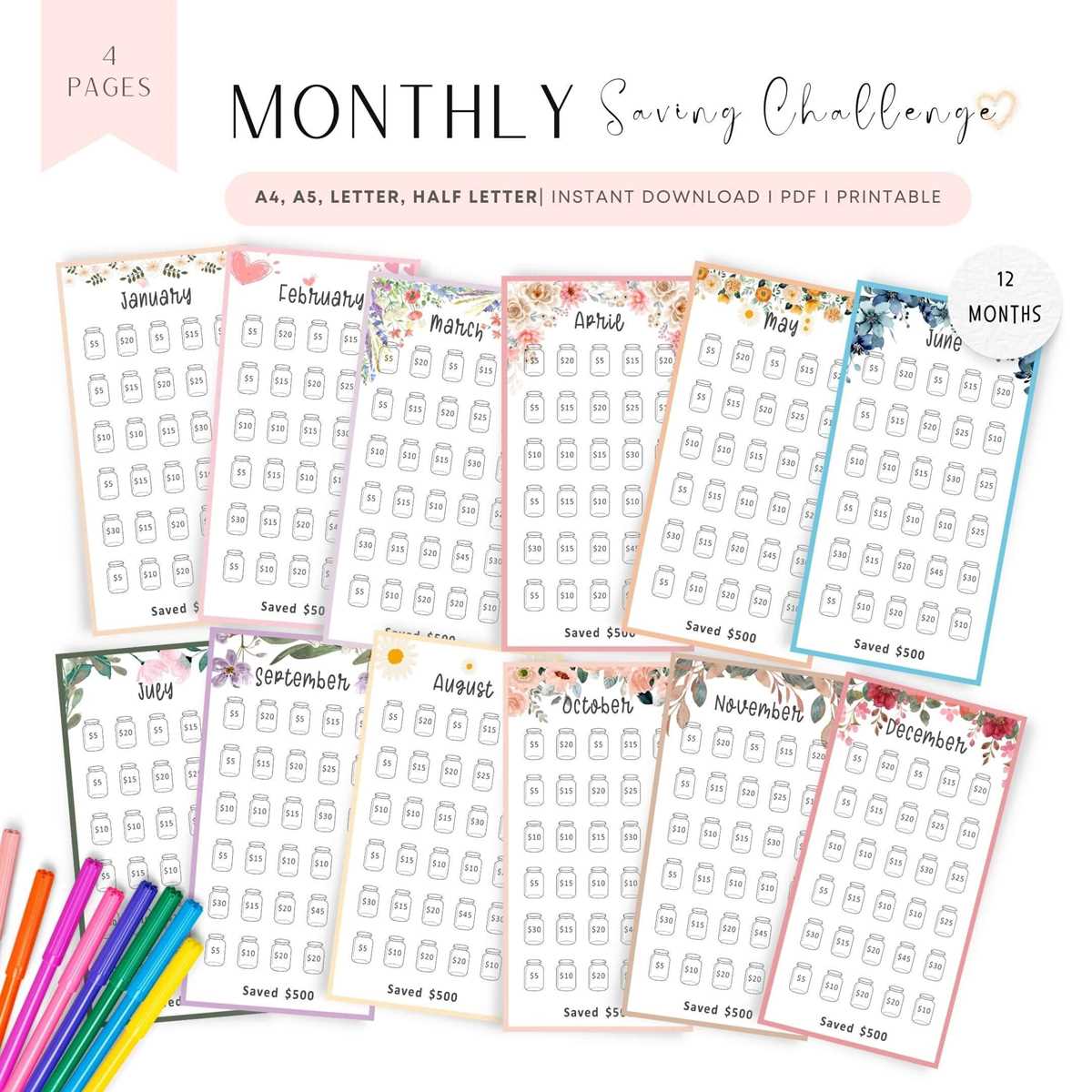
Begin by setting a target amount to set aside each week. Instead of trying to save a large sum all at once, break down your goal into smaller, manageable portions. For example, start by saving $10 the first week and gradually increase the amount each subsequent week. This method ensures you build up savings steadily without overwhelming yourself.
Use a simple tracking system to monitor your progress. Having a visual guide, such as a chart or a calendar, will help you keep an eye on the amount saved and stay motivated. Each time you reach a weekly goal, mark it off. This not only gives you a sense of accomplishment but also reinforces the habit of saving.
Consider automating your deposits. If you find it difficult to save, automate the process by setting up an automatic transfer to a savings account. This way, the money is set aside before you have a chance to spend it, which helps remove the temptation to dip into your savings fund.
Make adjustments if needed. While the goal is to stay on track, don’t be discouraged if you need to tweak your amounts. If you have a week where extra expenses come up, it’s okay to scale back slightly, but aim to make up for it in the following weeks. Flexibility ensures you stick with the plan in the long run.
Include your savings as part of your monthly budget. Instead of treating it as an afterthought, allocate funds for saving right alongside your monthly bills. This way, saving becomes a priority, not something you do after all your other expenses are covered.
Evaluate your spending habits regularly. Take a look at your expenses each month and see if there are areas where you can cut back. Even small changes, like reducing dining out or canceling unused subscriptions, can provide extra money to put toward your savings goal.
Involve your family or friends. A support system can help you stay accountable and motivated. Share your goal with a friend or family member, or even consider doing this together as a group. When you have someone else to check in with, you’ll feel more committed to reaching your target.
Finally, reward yourself when you hit milestones. Acknowledge your progress along the way, whether it’s treating yourself to a small luxury or simply celebrating the fact that you’ve achieved a key goal. Rewards keep you encouraged and remind you that your financial goals are within reach.
How to Set Realistic Goals for Your Monthly Savings Plan
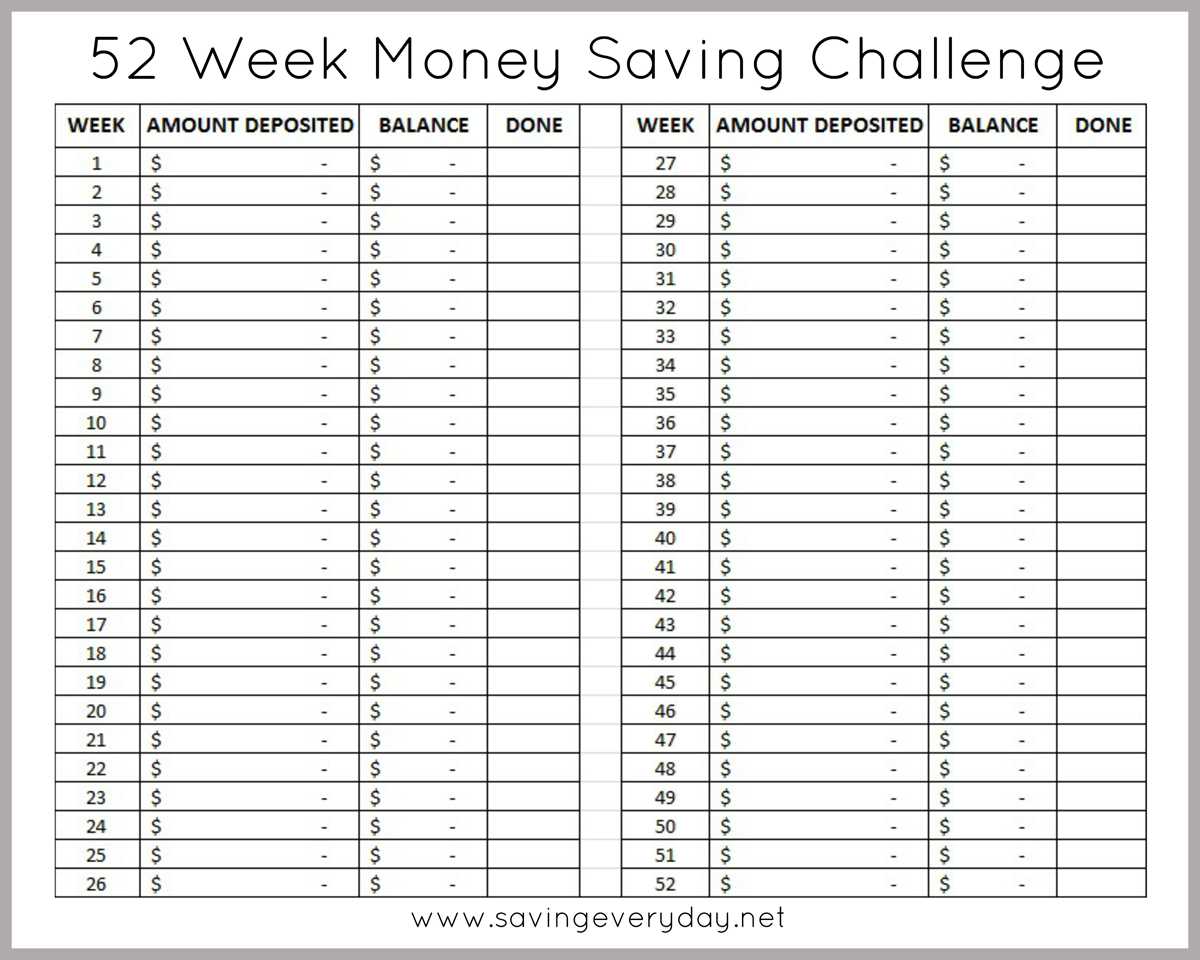
Start by assessing your current financial situation. Review your income and expenses to determine how much money you can realistically set aside each week or month. Avoid setting overly ambitious targets that may strain your budget. Instead, aim for a figure that aligns with your regular expenses and leaves room for flexibility.
Break your savings target into smaller, achievable amounts. For example, if your goal is to save $600 over the next three months, aim for saving $200 each month. This approach makes the goal feel more manageable and ensures you can track your progress over time, keeping you motivated to reach your target.
Consider your long-term financial goals when setting your savings target. Whether it’s building an emergency fund, saving for a vacation, or preparing for a big purchase, ensuring that your monthly goal aligns with these larger objectives will keep you focused. Adjust your plan as necessary to reflect any changes in income or expenses to maintain a steady savings habit.