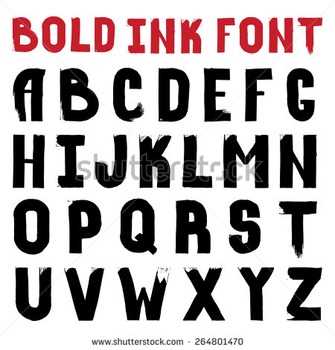
For a striking visual impact, selecting large, striking text can completely transform your designs. Whether you’re creating party invitations, signs, or home decor, using prominent letter forms can help your message stand out. To achieve this, focus on selecting thick, heavy typefaces that maintain readability while offering visual strength.
One of the most popular methods for creating large text for crafts and decor is through using various design programs or free online resources. Many of these tools allow you to modify text size, color, and style, giving you full control over the final appearance. Choose a font that suits the mood of your project–whether it’s a playful script or a strong, geometric design.
Once you’ve decided on the right font, printing can be done at home with a regular printer or at a print shop for larger formats. If you’re working on a detailed project, consider using thicker paper or card stock to add durability and ensure that the printed letters hold their form. Keep in mind that proper alignment during printing is key for achieving clean and sharp results.
By leveraging bold and clear typography in your projects, you can effectively draw attention to key messages, making them both functional and decorative. Experiment with different sizes and layouts, and don’t be afraid to mix in additional creative elements, such as borders or shadows, to add dimension to your design.
Large and Impactful Text for Crafting Projects
To create visually compelling designs, use heavy, clear fonts with defined edges. These styles make each character stand out and grab attention. For a professional and clean look, select high-contrast fonts, ensuring the text remains legible from a distance.
When working on banners, posters, or invitations, large characters can dominate the design. Consider using programs like Adobe Illustrator, Canva, or other graphic design tools to adjust the size and spacing. By controlling these elements, you can ensure the text fits the purpose and aesthetic of the project.
Paper quality plays a significant role in how the design translates from digital to physical form. Use thick cardstock or glossy paper for projects that require durability. This ensures that your letters maintain their sharp appearance and won’t become damaged easily over time.
If you’re printing the design yourself, be sure to select the correct printer settings. Use a high-quality print mode and set the printer to its highest resolution for a crisp, clear finish. If you’re unsure about the print quality, do a test print on regular paper before proceeding with your final choice of material.
For projects that require a layered or 3D effect, you can print the designs multiple times. Use different thicknesses of paper or add textures to create depth. This adds a unique and dynamic look to otherwise flat letters, making them stand out even more.
When placing the letters on a project, ensure the alignment is correct. Misaligned text can detract from the overall impact of the design. Use a ruler or grid lines to guide placement, especially for large letters that need to be positioned symmetrically.
Don’t hesitate to combine different font styles and colors for added flair. Mixing serif and sans-serif typefaces can give the design an extra punch. Alternatively, varying the colors of each letter can help highlight specific words or sections, adding emphasis where needed.
Finally, after printing and cutting the letters, consider incorporating other elements such as borders, backgrounds, or accents around the text. Adding decorative touches can make your project even more visually appealing and engaging for viewers.
How to Choose the Right Font for Your Projects
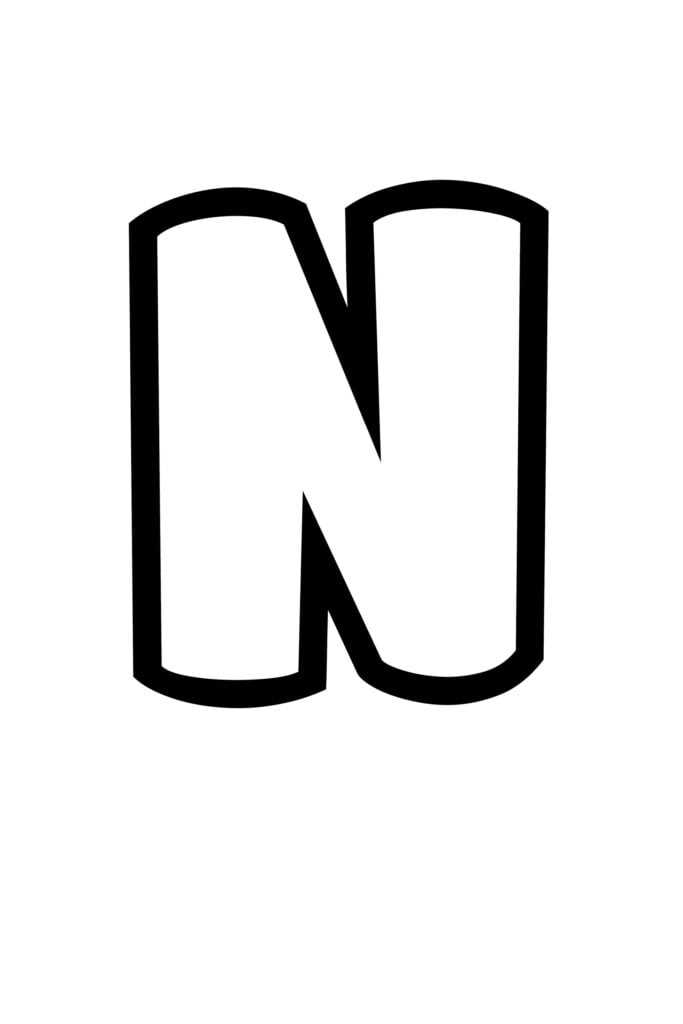
When selecting a typeface for your design, start by considering the purpose. If you’re aiming for a strong, attention-grabbing message, opt for a type with thick strokes and a clean, clear structure. This ensures that your text will be legible even at a distance.
Think about the tone of the project. For a more formal or corporate feel, choose a font with clean, geometric lines. For something more casual or playful, a font with softer curves or unique stylistic elements can help convey the right mood.
The readability of your design is crucial. Make sure the font has adequate spacing between letters. Too tight, and the text can become difficult to read; too loose, and it can lose its visual impact. Adjust kerning (space between letters) to ensure the text looks balanced.
If the project involves multiple lines of text, select a typeface that works well for both large and small sizes. It should maintain its clarity in smaller sizes without becoming unreadable. Test the font at different scales to ensure versatility.
Consider combining multiple typefaces. For instance, pair a heavy, geometric font for headings with a more neutral, legible one for body text. This contrast can create a dynamic look while maintaining readability across the design.
Lastly, think about the medium where your text will appear. Fonts that work well on a screen might not translate well to print, and vice versa. Always test your font on the actual medium to ensure it maintains the desired effect.