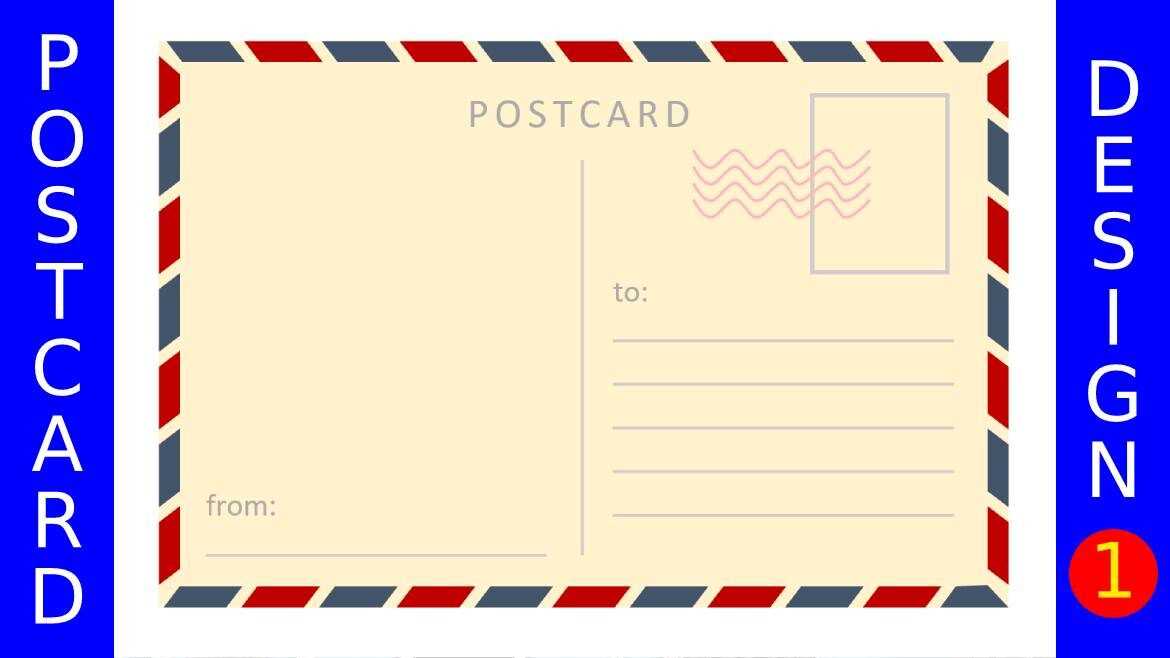
For a high-quality result in crafting festive greeting designs, select a sturdy and smooth material that can handle detailed prints. Opt for heavyweight options like cardstock, which provides enough thickness to avoid any tearing while maintaining its shape. If you plan to add any embellishments such as stickers or glitter, make sure the chosen surface can hold these additions without becoming flimsy.
Use a reliable printer that works well with the selected material to ensure sharp lines and accurate colors. Adjust the print settings according to the thickness of your chosen material to prevent paper jams or smudges. If your printer does not support heavier materials, consider using a professional printing service for the best results.
If you aim for a glossy finish, choose a coated surface that enhances vibrancy and adds a professional touch. For a more natural look, uncoated surfaces give a rustic and textured feel that pairs well with handmade designs. Always test a small piece of the material before starting large print jobs to avoid wasting resources.
Choosing the Right Material for Holiday Crafting
Select a sturdy cardstock that can handle intricate designs without warping. A weight of at least 200-250 gsm ensures durability and gives a professional feel to your creation. For extra flair, opt for textured or linen finishes, which add depth and visual interest to your artwork.
Make sure the material you choose is compatible with your printer. Some heavier materials might cause paper jams or produce uneven prints. Always check the manufacturer’s guidelines to confirm that your printer can handle thicker stocks without issue. Testing with a smaller print run helps to avoid wasting your resources.
If you plan on adding embellishments such as foil, glitter, or ribbons, make sure the surface of the chosen material can withstand the additional weight and adhesive. Smooth, uncoated finishes are ideal for those who want to add custom touches without worrying about ink smudging or poor adhesion.
Consider your design’s color scheme when selecting your stock. If you’re using rich, vibrant hues, choose a white or off-white base for better color contrast and clarity. For a vintage or rustic look, opt for kraft or brown-toned materials that bring a warm, natural feel to your project.
Using a matte finish enhances readability, particularly if you want to add a message or custom design. This type of stock absorbs light and reduces glare, making it easier to write on or display. However, glossy finishes can make colors pop, creating a sleek and modern aesthetic for those seeking a high-impact appearance.
For high-quality results, always opt for a high-end printer capable of printing on heavier materials. Inkjet and laser printers can both handle thicker materials, but inkjet printers tend to offer richer color output, while laser printers deliver sharper text and faster drying times.
Finally, be mindful of your print settings. Make adjustments to the printer to match the thickness and texture of your stock. This will ensure that you avoid smudging or misalignment while achieving the sharpest possible output for your holiday creations.
How to Choose the Best Material Type for Your Craft Creations
Start by selecting a sturdy, heavyweight material for a solid feel. A thickness of at least 200 gsm is ideal for durability and ensures that the material holds up well during handling. Thin sheets tend to bend or tear easily, which can affect the overall quality of your design.
If you plan to use vibrant colors or intricate patterns, opt for a smooth, coated finish. This type of surface helps the ink to stay sharp and vivid, preventing it from absorbing too much and losing its brilliance. Glossy finishes are particularly great for bold designs, giving them a polished look with high color contrast.
For a more rustic or handmade feel, uncoated materials work well. These often have a textured finish that gives your project a unique, artisanal touch. While they may not produce as sharp an image as a glossy sheet, they can add character and charm to simpler designs.
Consider the weight of the material if you plan on mailing your creation. Thicker sheets require more postage but provide better protection during delivery. If your project needs to be lightweight but still sturdy, choose a medium-weight option around 170 gsm, which balances ease of handling and durability.
Choosing the right color is another important factor. A white or off-white base provides the best contrast for colorful designs. However, colored stocks, such as pastel or kraft tones, can add depth and warmth to your creation, especially for themes like vintage, natural, or rustic holidays.
If you’re planning to add embellishments like stickers, glitter, or textured elements, make sure your material can handle extra weight. Coated options may have trouble adhering to glue or embellishments, whereas uncoated materials provide better grip for these additions.
Always consider printer compatibility when selecting your material. Check your printer’s specifications for maximum paper thickness. If you plan on using an inkjet or laser printer, make sure the material can withstand the heat and ink flow without warping or smudging.
Finally, test a small batch before committing to a large run. Print a few samples to ensure the material responds well to your design and printing methods. This trial run helps avoid waste and ensures that your final project meets your expectations.