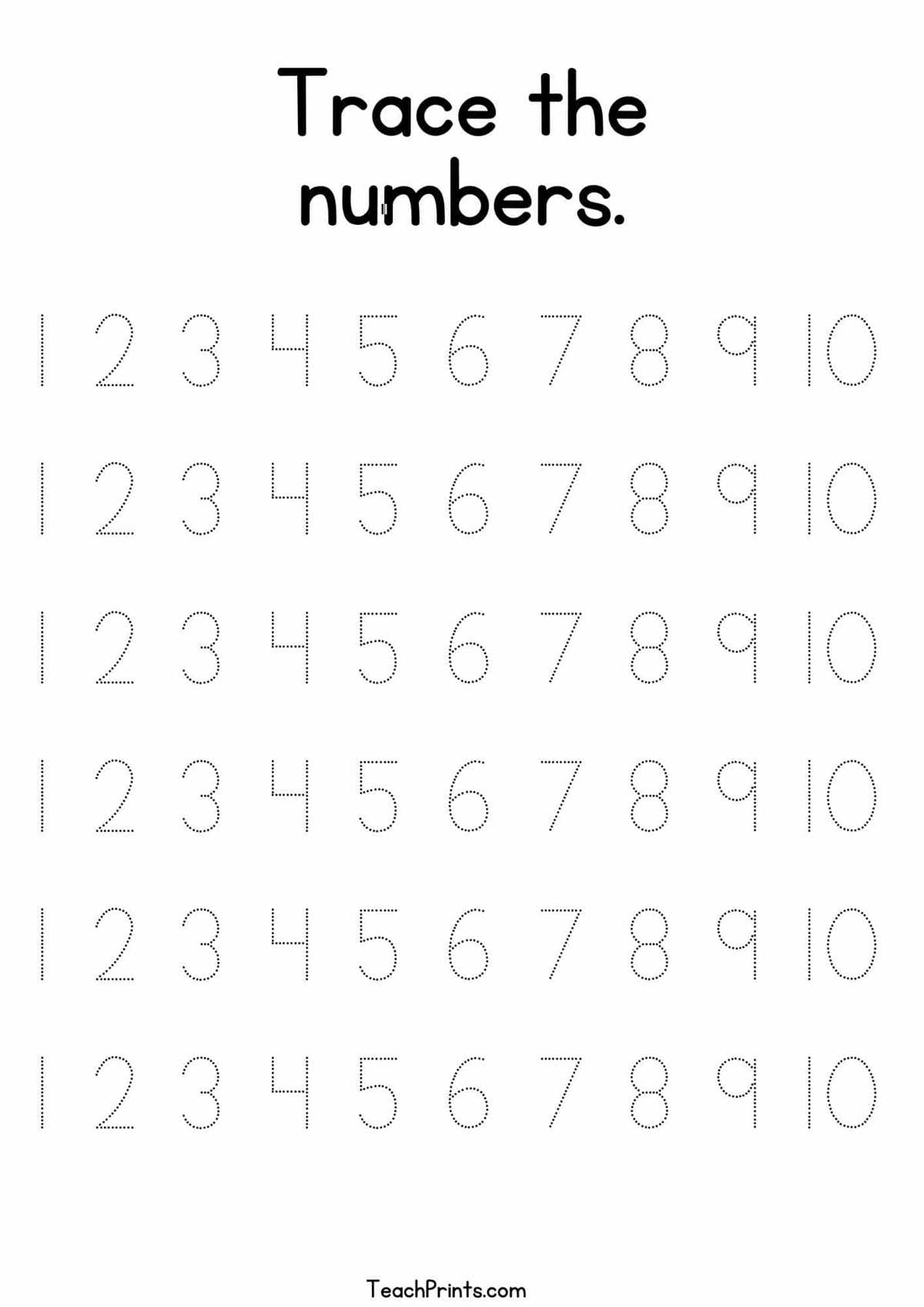
If you’re looking to help young learners develop better control over their writing and familiarize themselves with numerical symbols, creating or finding appropriate practice sheets is a simple but effective solution. These exercises not only assist in improving fine motor skills but also provide children with a structured way to practice their number recognition.
For younger children, focusing on smooth and consistent strokes is key. Incorporating exercises where they trace over clear, large symbols allows them to gain confidence and gradually move toward writing independently. Make sure to provide enough space and repetition to avoid frustration while they master each digit. This gradual approach helps prevent confusion when learning how to form numbers correctly.
There are a variety of online resources and tools available that let you download these sheets based on specific needs. Whether you’re aiming to build up from basic shapes or focusing on strengthening writing through fun activities, choosing the right material can make all the difference. Adjusting the complexity level as skills improve will keep the exercises challenging and engaging for children at various stages of development.
Creating Number Writing Practice Sheets for Young Learners
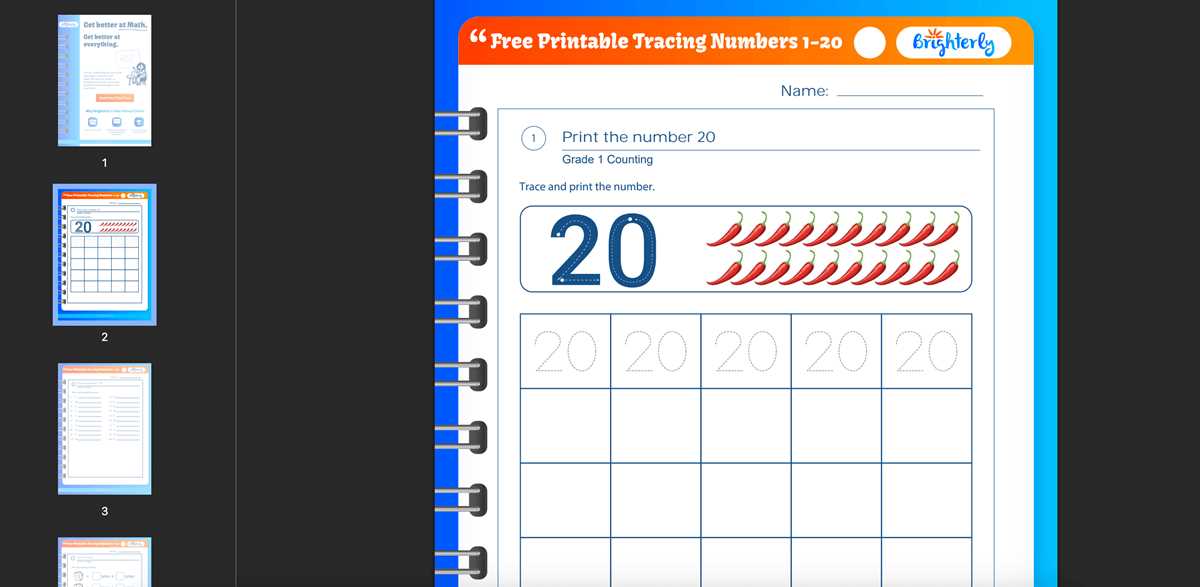
To create a solid foundation for children to learn how to write digits correctly, consider focusing on exercises that encourage gradual skill development. Start with large, simple shapes and symbols, allowing enough space for children to follow and replicate each character. This approach will ensure they can form digits with accuracy before moving on to more complex exercises.
When choosing the right materials, look for those that align with the child’s current level of understanding. For beginners, opt for clear, well-spaced characters that help maintain focus on the physical motion of writing. You can gradually introduce more intricate exercises as their confidence and motor skills grow.
One effective technique is to provide exercises that repeat a character multiple times in a row. This will help reinforce memory and muscle memory, allowing children to recognize the shape of each number more naturally. The repetition fosters an environment for smooth and confident writing, which will pay off as they begin to write independently.
Another great approach is to create exercises that incorporate a visual element, like drawing an object for each number. For example, you can design tasks where children draw a group of items like apples or stars next to the appropriate digit. This type of activity helps connect the number symbol to real-world objects, enhancing both recognition and memory.
Ensure that the exercises you choose vary in difficulty as the child progresses. Once basic strokes are mastered, challenge them with writing numbers in a sequence or within short phrases. These activities add complexity without overwhelming them and create a sense of accomplishment as they tackle new tasks.
If you’re making your own materials, consider adding small tips or cues on each page to guide children. For example, use arrows to show the direction in which to write each stroke or provide a sample number next to the line to serve as a reference. Simple guidelines like these can be especially useful for children who are just starting to write.
Lastly, keep the practice sessions short and enjoyable. Make sure the environment is relaxed and positive to encourage learning without causing stress. If kids enjoy the activity, they’re more likely to engage with it consistently, leading to better results over time.
How to Create Customizable Tracing Number Worksheets for Different Ages
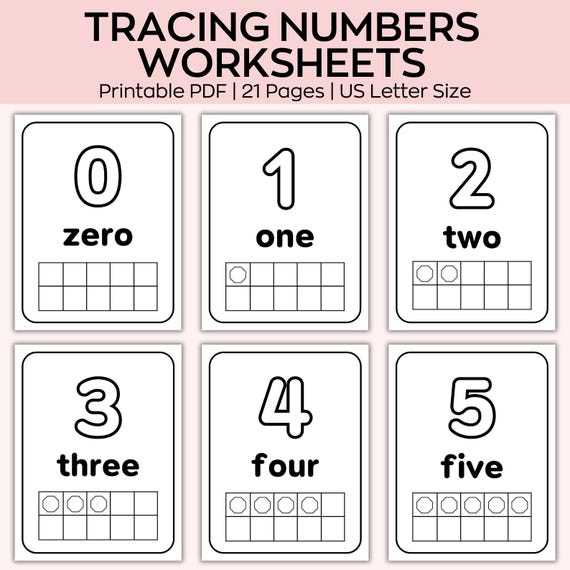
For younger children, focus on simple, large characters with plenty of space to practice each stroke. Start by offering easy-to-follow patterns and large fonts, giving them room to improve their motor skills. Ensure that each page contains enough space for repetition, which is vital for building muscle memory and familiarity with the shape of each symbol.
As children grow, increase the complexity of the practice by introducing smaller, more refined digits. You can also include sequencing exercises, where they write a series of numbers in a row, helping them understand the order. For this age group, consider using dotted outlines instead of solid lines to encourage independent writing as they gain confidence.
Older children can benefit from adding more interactive elements to their practice. Consider integrating word problems or activities that require them to match numbers with visual representations, such as groups of items. These types of tasks enhance both their cognitive and writing abilities, making the learning process more engaging and well-rounded.
For more advanced learners, offer exercises where they practice writing numbers within sentences or equations. This increases the difficulty by combining number writing with problem-solving skills. At this stage, children are ready for a higher level of complexity, which can be supported by tasks that encourage critical thinking and written expression.
Finally, allow for customization in your sheets to accommodate specific learning styles. Some children may prefer color-coding, where different colors represent different tasks, while others may benefit from more visual cues. Make sure to tailor each worksheet to suit the child’s pace, keeping the material challenging yet achievable to maintain their interest and progress.