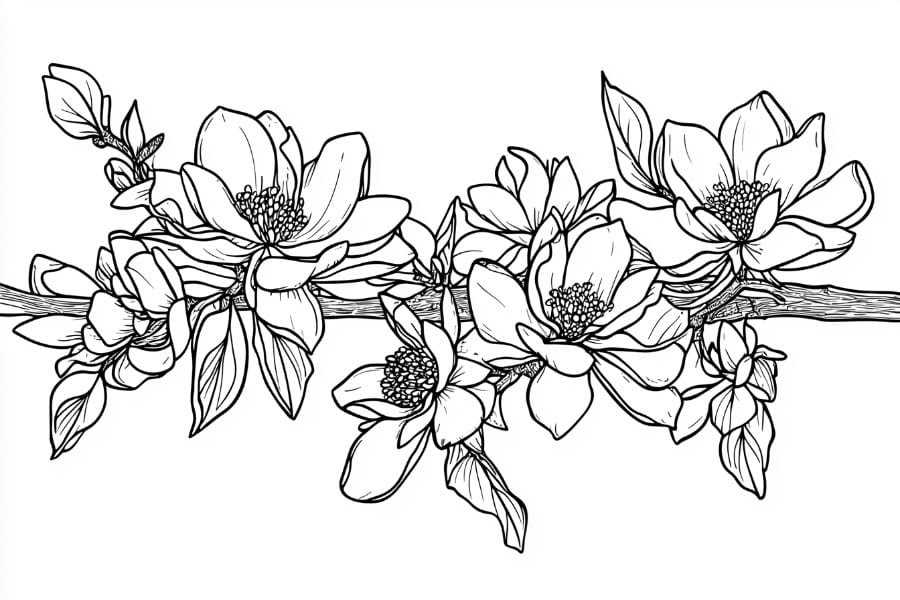
For your next painting project, use pre-designed stencils that guide your brushstrokes and inspire creativity. Select a design that suits your mood, whether it’s floral patterns, abstract shapes, or seasonal motifs. These ready-made outlines save time and let you focus on applying the color and experimenting with blending techniques.
To start, print out your chosen design on high-quality paper. For best results, consider using thicker paper that can handle multiple layers of paint without warping. Once the stencil is in place, experiment with different color combinations, from soft pastels to rich, vibrant hues. These outlines act as a framework, helping you stay precise while offering room for personal style.
As you refine your technique, try adding your own elements to the base design, like splashes of paint, textured strokes, or additional details. The simplicity of a pre-drawn pattern allows you to easily enhance it and make it your own, adding depth and uniqueness to each piece. Whether you’re a beginner or an experienced artist, these guides open up endless possibilities for creative expression.
Creative Projects with Watercolor Stencils
Start by selecting a simple outline that resonates with your artistic preferences, such as flowers or geometric patterns. This will help you focus on adding color and experimenting with blending without getting overwhelmed by complex shapes. These pre-drawn outlines serve as an excellent base for practicing brush techniques.
Choose quality paper that can absorb paint without buckling. Heavier papers like 300gsm cold-pressed cotton will give you a smooth surface and prevent distortion as you layer your colors. A thicker sheet also ensures that colors remain vibrant and do not bleed into each other.
Once the outline is ready, try applying the paint in multiple layers, starting with lighter hues and gradually building up the intensity. This layering process creates depth and dimension within the design. Make sure to leave enough time for each layer to dry before adding more pigment.
If you prefer a more freeform approach, try experimenting with wet-on-wet techniques. Dampen the paper before applying pigment, allowing the colors to flow and blend naturally. This will give your work a soft, ethereal look, perfect for floral patterns or abstract compositions.
For a unique touch, incorporate other mediums like colored pencils or ink. Use these to add finer details, outlines, or texture to the design. For example, after the painting dries, you can trace over some parts with a fine liner to highlight specific features or enhance the contours.
Once you’ve completed your painting, consider framing it or turning it into a gift. These designs are versatile and can be used to create personalized greeting cards, bookmarks, or wall art. Just print the design on high-quality cardstock for smaller projects or larger canvas-sized paper for an artwork piece.
Experiment with different styles by altering the color palette. Instead of traditional blues and greens, you could opt for bright neon tones or even metallics. These subtle changes can drastically alter the mood of your work, giving you more control over the final result.
Finally, don’t be afraid to combine multiple designs into one project. Layering different patterns or themes on the same page can create a dynamic piece. Play around with the arrangement and placement to achieve a balanced and eye-catching artwork that’s entirely your own.
How to Choose the Right Watercolor Template for Your Project
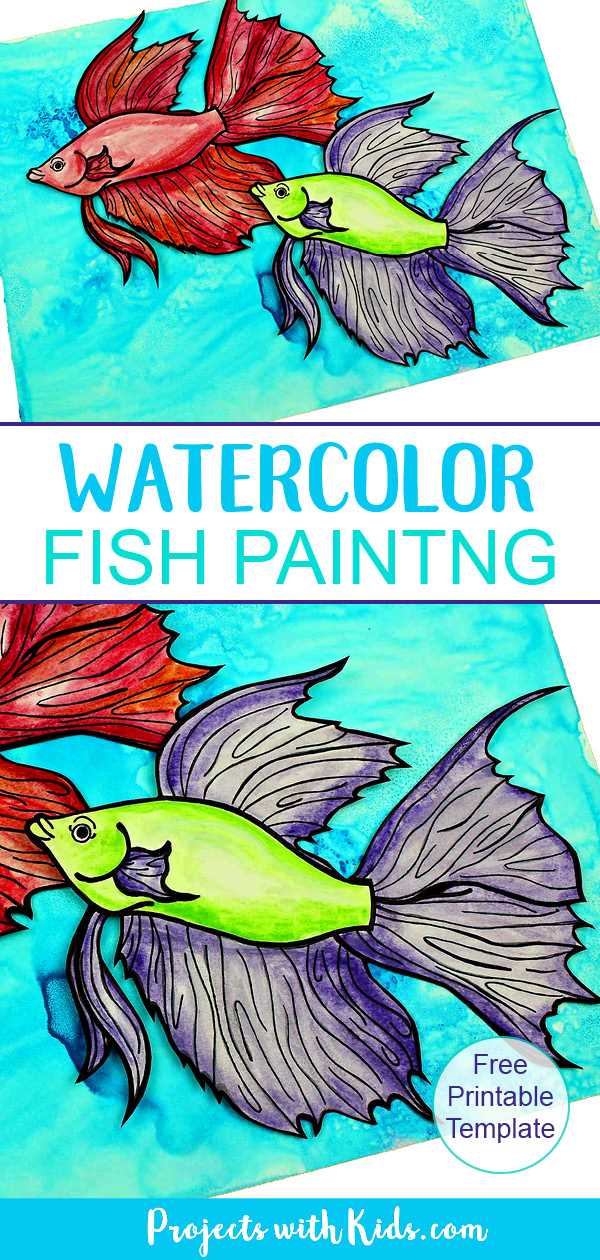
Begin by identifying the style you want to achieve. If you’re looking for something relaxing and simple, opt for designs with larger spaces and fewer details. For intricate pieces, choose more complex outlines with fine lines and detailed elements, which will give you more opportunities to experiment with shading and color variation.
Next, consider the skill level required for the design. If you’re a beginner, select a pattern with bold shapes and clean lines that will allow you to focus on mastering color application. More advanced designs may require you to pay attention to texture, blending, and more subtle transitions in hue.
The subject of the design should also match the mood or theme of your project. Floral patterns work well for light, airy compositions, while geometric or abstract shapes can give a more modern or dynamic feel. Ensure the design complements the overall tone you want to convey through your work.
Lastly, think about the final medium. If you intend to frame the artwork, choose a layout that fits standard frame sizes or consider a composition that can be easily cropped. Additionally, keep in mind that more intricate designs may require larger paper for better visibility and detail work.