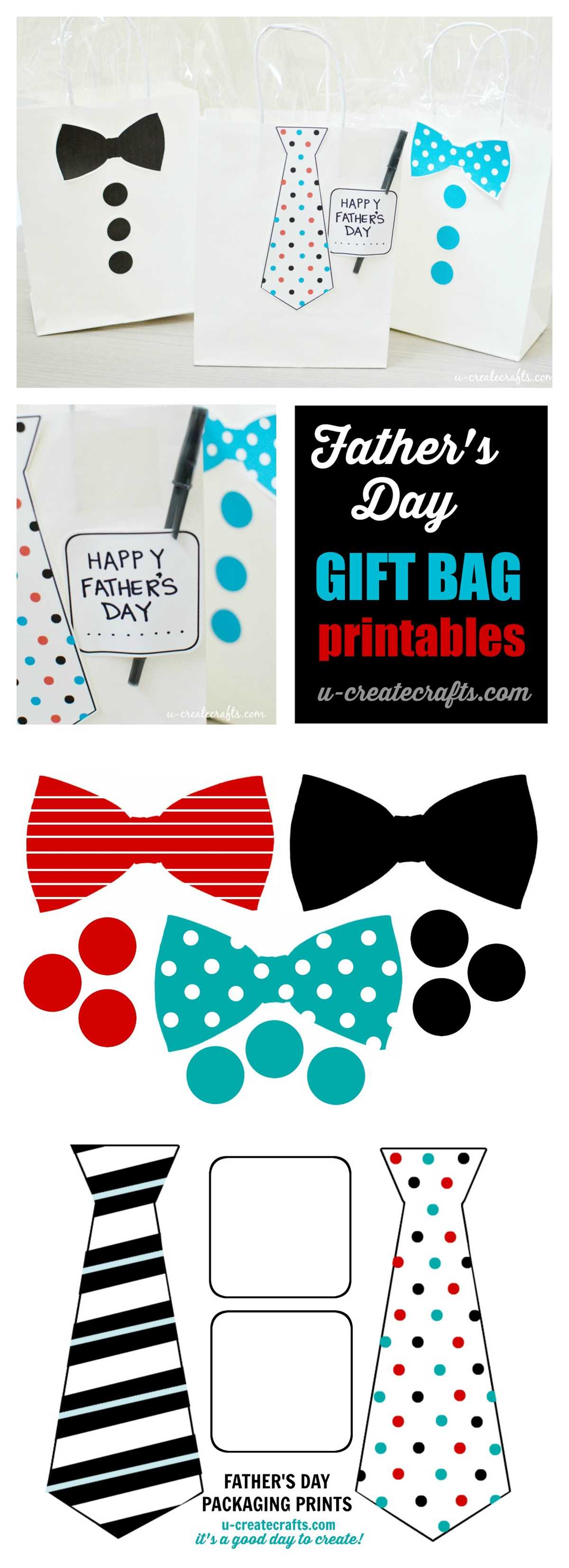
If you’re looking to add a personal touch to your gift wrapping, designing custom packaging is a great choice. Instead of purchasing generic wrapping materials, consider making your own. This way, you can tailor the design to match the theme of the occasion and the recipient’s preferences. Whether it’s for a birthday, holiday, or special celebration, custom wrapping elevates the presentation and makes the gift even more memorable.
Start by selecting a template that fits the size of the item you’re wrapping. Many websites and design tools offer free templates that you can modify with images, text, and colors. If you’re feeling creative, you can design your own from scratch. After finalizing the design, use high-quality paper or cardstock for printing. If you have access to a color printer, you can print the design at home, ensuring it looks professional and polished.
Once printed, cutting and assembling the packaging is straightforward. Make sure to use sharp scissors or a craft knife for clean edges. You can add finishing touches such as ribbons, stickers, or tags to further personalize the package. This is an ideal way to make any gift stand out, and it’s an especially thoughtful option for occasions like weddings, anniversaries, or personalized celebrations. Try out different designs and materials to create a truly unique presentation for your gifts.
Detailed Guide on Customizable Wrapping Solutions
Creating personalized wrapping options requires a few key materials and the right approach. Start by choosing the appropriate size template based on the items you’re wrapping. You’ll find a variety of templates online, which can be adjusted for different shapes and dimensions. Ensure that the design complements the item’s nature, whether it’s something large or compact.
Use high-quality cardstock or kraft paper to ensure durability and a refined look. These materials hold ink well and provide a sturdy base for any design elements you add. Consider experimenting with textured paper, which can add a unique touch to your packaging. Choose papers that match the tone of the occasion–subtle pastels for a birthday or rich, metallic hues for a holiday celebration.
Design software or free online tools can be a helpful resource when creating customized visuals. You can add a personal message, the recipient’s name, or even special graphics. If you’re designing from scratch, consider the balance of space and color. Use clean, simple fonts for easy readability and avoid overwhelming the design with too many colors.
Once you’ve completed the design, it’s time to print. For the best results, print on high-resolution settings to capture every detail. Some printers may require you to use specific types of ink, such as pigment ink, to ensure that the colors are vibrant and last. Always do a test print on a sample sheet to check for color accuracy and alignment before printing the final version.
After printing, carefully cut out the design along the edges using a sharp pair of scissors or a precision craft knife. Precision is key when it comes to creating clean, straight lines. Avoid tearing or damaging the edges by using a ruler or cutting mat for a more professional finish.
Assemble the wrapping by folding along the marked lines. To secure the edges, use a strong adhesive, like double-sided tape or glue. Be mindful to align the pieces correctly to ensure that the design remains centered and neat. If the design requires any kind of closure, such as flaps or tabs, make sure they fold neatly and stay in place without causing the paper to crumple.
Personalizing the finishing touches can be the key to a truly special presentation. Add a ribbon or twine for a rustic look, or go for metallic foil for a more luxurious feel. Custom stickers or tags can also be used to seal the packaging, further reinforcing the design. Make sure the embellishments don’t overshadow the item’s presentation–simplicity is often best.
By following these steps, you can create sophisticated and unique wrapping solutions for any occasion. Whether it’s a casual gift for a friend or a more formal offering, personalized packaging can elevate the overall experience and show your thoughtfulness in a creative way.
How to Design Custom Wrapping Solutions for Any Occasion

Start by choosing a theme that reflects the event or celebration. For birthdays, opt for bright colors or fun patterns. For weddings, go with elegant, minimalist designs. Holiday packaging might include festive motifs like snowflakes or ornaments. Tailor your designs based on the recipient’s preferences or the season, ensuring that the visual style aligns with the mood you want to convey.
Next, select the right materials. Heavyweight paper or cardstock will give a polished feel and provide support for heavier contents. For a more eco-friendly option, consider using recycled paper or fabric. If you plan to add intricate designs or textures, ensure the material is suitable for printing, especially if you’re adding complex images or vibrant colors.
Design software or online tools can simplify the creation process. Use pre-made templates for faster results or create custom designs from scratch. Add the recipient’s name, special messages, or images relevant to the occasion. Keep in mind the layout: your design should have enough white space to avoid overcrowding, and all elements should be properly aligned for a professional finish.
Incorporate personalized touches that make the wrapping feel unique. Custom graphics, like a photo or a monogram, can significantly enhance the look. If you’re designing for a specific event, such as a wedding, use elements like elegant borders, lace designs, or floral motifs. Personalization will make the packaging stand out and feel more thoughtful.
Consider the size of the wrapping based on the item you’re covering. Measure the object accurately before starting the design to ensure a snug and secure fit. Leave extra space for folds, and think about how the packaging will close. The size and shape of the object will guide you in choosing the right format–whether that’s a box, pouch, or custom-shaped wrap.
Once your design is ready, print it on a high-quality printer. For detailed patterns or graphics, ensure your printer settings are optimized for the material you’re using. Test print on a sample first to check for color accuracy and alignment. If you’re printing on multiple sheets, make sure the design continues seamlessly from one page to the next.
When assembling the wrap, ensure that you fold and secure the edges neatly. Use strong adhesive or double-sided tape to keep everything in place without visible seams. If you’re adding embellishments like ribbon, twine, or decorative seals, do so last to avoid damaging the design. A clean and tight finish ensures the wrap looks elegant and holds together throughout the event.
Finally, add finishing touches that enhance the overall look, such as custom tags, stickers, or a personalized note. These small details can make a big impact and leave a lasting impression. Whether it’s a simple thank you note or a creative design, these extra elements will elevate your wrapping and give it a personal touch that’s perfect for any occasion.