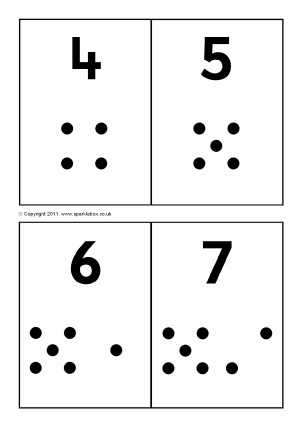
For a fun and interactive way to help young children practice counting, download a set of templates featuring numbers from 1 to 20. These designs are perfect for visual learners, providing a simple way for kids to familiarize themselves with the sequence of numbers. By using colorful visuals, you can make learning more engaging and less intimidating for beginners.
Once you have the designs ready, you can encourage children to match the numbers with corresponding objects or draw simple illustrations next to each one. This not only reinforces numerical recognition but also aids in the development of motor skills as children trace or color each figure. Incorporating different activities helps maintain interest and makes the learning experience enjoyable.
These tools can also be used for various other activities like basic addition and subtraction exercises. As children grow more confident with numbers, you can increase the difficulty level by introducing simple math problems or games that require them to arrange or sort the numbers in different ways.
Number Cards 1 to 20 for Kids
Start by selecting a template with clear, large numerals for easy recognition. Ensure the figures are bold and easy to read, especially for younger children who are just beginning to learn how to identify numbers. Choose designs with simple fonts and no distractions to keep the focus on the numbers themselves.
Once you have the designs, print them on sturdy paper or cardstock to make them durable for repeated use. Laminating them will increase their longevity, allowing children to use dry-erase markers to practice writing or drawing on them. This makes the activity more versatile and reusable.
Introduce the numbers slowly, starting with smaller groups. Begin with numbers 1 to 5, then progressively add more until the child is familiar with all the figures up to 20. This step-by-step approach helps avoid overwhelming them while allowing for mastery of each set before moving on to the next.
Pair the numbers with corresponding objects or pictures to help kids visualize quantities. For example, you can place 1 apple next to the number 1, 2 balls next to the number 2, and so on. This method encourages the association between the written number and its actual quantity, reinforcing both recognition and counting skills.
Once children are familiar with the basic numbers, use the designs to introduce simple addition and subtraction games. You can ask them to find the number 5 and then subtract 2 to find the answer, or to add two numbers together. This interactive approach makes learning math fun and approachable.
For a more engaging experience, turn the learning process into a game. Use the figures in a matching game, where children have to match numbers with objects or with the correct quantity. You can also shuffle the numbers and ask them to arrange them in the correct order, which builds both their number sense and cognitive skills.
How to Download and Print Number Cards for Early Learning
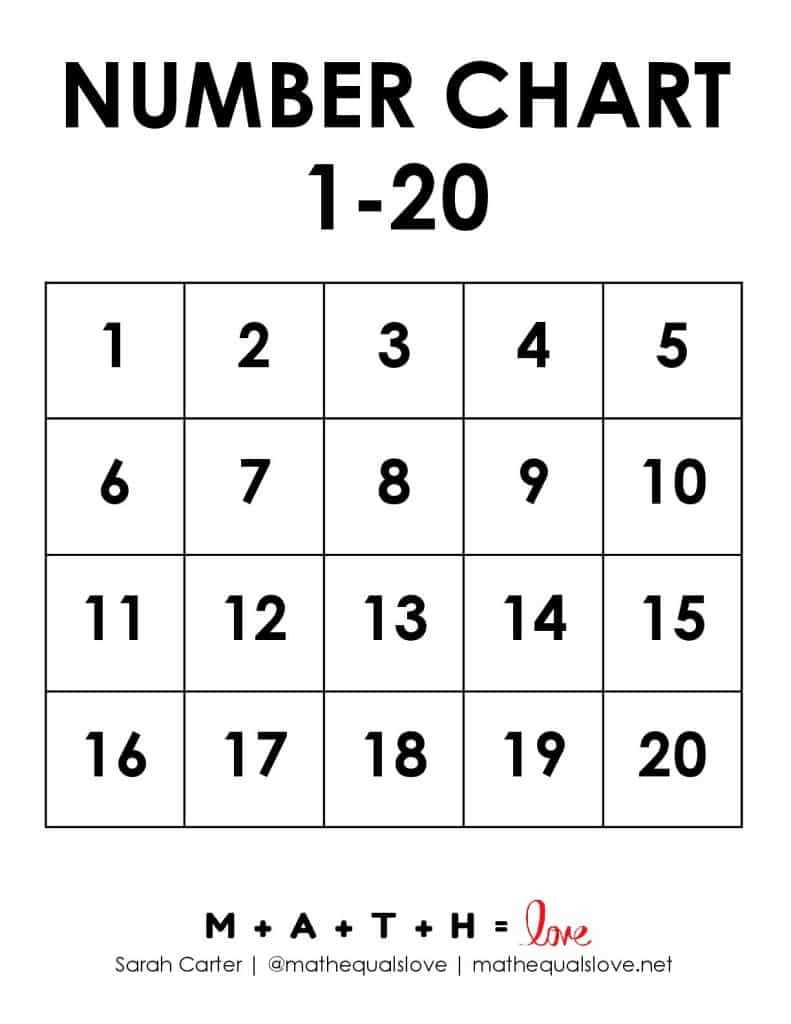
Start by selecting a website that offers designs for early learning, particularly those focused on numerals 1 to 20. Many platforms provide templates that you can easily download, often in PDF format for simple printing. Make sure the design is straightforward and visually appealing for children, with large numbers and bright, contrasting colors.
Once you’ve chosen your template, download the file and open it using a PDF viewer. Before printing, check the print settings to ensure the design is correctly scaled to fit the paper size. If you want the templates to last longer, print them on heavier paper or cardstock for better durability.
After printing, you can cut the templates into individual units or keep them on a single sheet. For added longevity, consider laminating each piece so that children can reuse them without wear. This simple process allows for ongoing practice and can be used for a variety of learning activities, from counting to matching games.