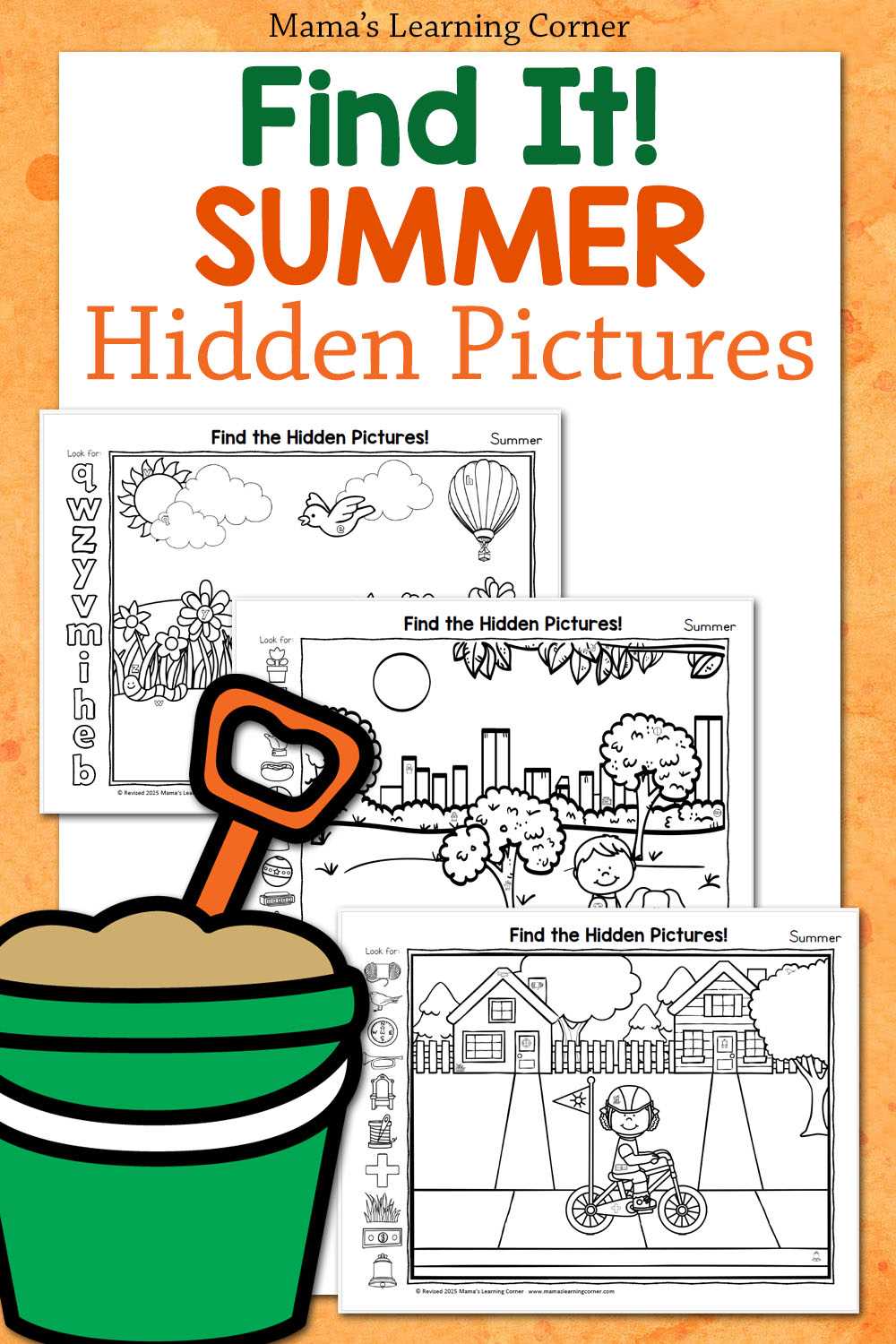
To make engaging activities for children, start with simple designs that feature small, camouflaged objects within larger illustrations. Opt for clear, bold images with obvious hidden items that encourage kids to search thoroughly without feeling overwhelmed.
For younger children, focus on basic shapes and easily recognizable items such as animals, fruits, or everyday objects. Gradually increase the difficulty by including more intricate patterns and objects that blend seamlessly into the background.
Consider using different levels of difficulty depending on the age group. Beginners can enjoy simple games with only a few hidden items, while older kids may appreciate more challenging designs with numerous small objects to discover. A good rule of thumb is to make the game fun but not frustrating.
To keep kids entertained, offer a variety of themes such as nature scenes, transportation, or holiday-themed drawings. Themed sheets not only make the activity more exciting but also tie into learning moments, like teaching about animals or vehicles.
As a bonus, you can pair these activities with coloring exercises. After finding all the hidden objects, children can color in the illustrations, which adds a creative aspect to the game. This combination enhances focus and fine motor skills.
By using these types of sheets, you can turn a simple activity into a fun and educational experience that helps children improve their observation and problem-solving skills in a playful, interactive way.
Fun and Interactive Search Games for All Ages
Start by selecting a template with clear, simple objects to find within the image. Use basic shapes like circles, squares, and stars for younger children to ensure they can easily spot the hidden elements. This will keep them engaged without overwhelming them.
Gradually increase the complexity by adding more intricate designs and more hidden items. For older kids or adults, incorporate tiny objects that blend into the background, requiring closer inspection. This makes the activity more challenging and encourages attention to detail.
Organize your designs by theme. Popular choices include animals, nature scenes, or even holiday-inspired drawings. Themed designs not only make the activity more enjoyable but also introduce learning opportunities. For example, kids can identify different animals or objects within a jungle scene.
For a smoother experience, avoid overly complicated drawings with too many objects hidden in the image. It can be frustrating if there are too many elements to find. Instead, provide a manageable number of hidden items that suit the intended difficulty level.
- For young children: simple shapes and large objects.
- For older children: detailed images with multiple hidden items.
- For adults: intricate designs with challenging hidden objects.
Printing these designs at home offers a flexible way to make the activity available whenever needed. Use high-quality printing to ensure that the lines and images are crisp, which helps with the clarity of the game. Ensure your printer settings are adjusted for optimal results.
In addition to fun, these activities also help develop observation skills and concentration. Kids especially can improve their focus and problem-solving abilities as they work through each design to find all the hidden objects.
To wrap up, include extra challenges like setting a timer to see who can find all the items the fastest, or create a “magnifying glass” effect by giving clues. These small changes can keep the activity fresh and exciting for everyone involved.
How to Create Hidden Pictures Worksheets for Kids
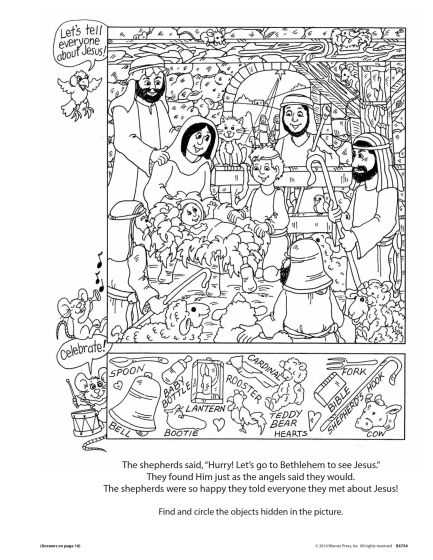
Start by selecting a simple illustration, such as a nature scene, animal, or vehicle. Then, add a few basic objects or shapes that blend in with the background. These could be small items like leaves, clouds, or small creatures that are not immediately obvious. Make sure the objects are clear but not too large, so they require focus to find.
Once your image is set, add a list of the hidden items at the bottom for kids to find. You can also create a fun challenge by adding a time limit or encouraging them to find the items in a specific order. For a more advanced version, you can introduce items with intricate patterns or similar colors to make the task more difficult. Print out the design with high contrast to make the hidden items stand out clearly against the background.