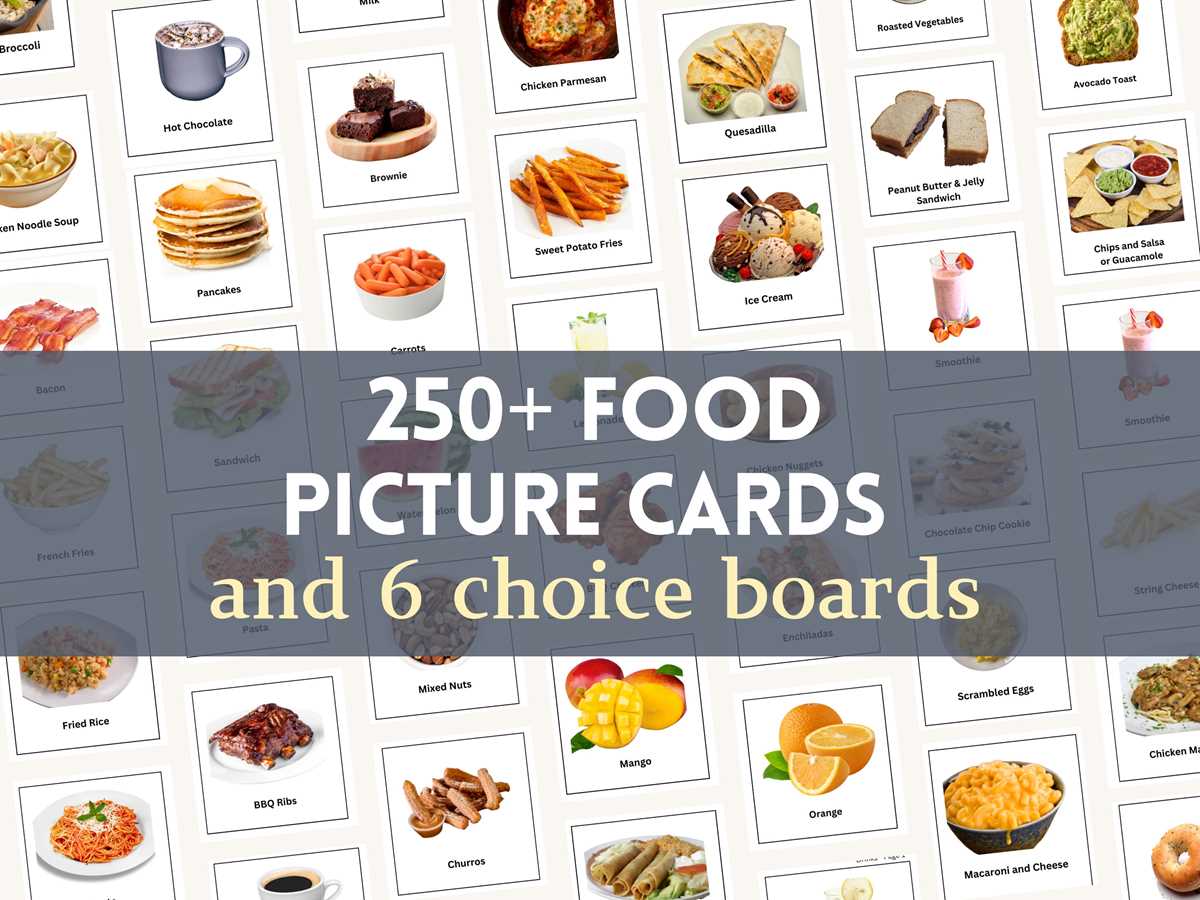
To create your own labels for jars, containers, or homemade treats, begin by choosing a design template that suits your style. Use software like Microsoft Word or online tools that offer customizable templates for various sizes. Make sure the template fits your containers to avoid resizing later. Choose a simple layout that includes the name of the item and any relevant details, like ingredients or dates.
Select high-quality paper that can withstand handling, especially for items like jars or refrigerated goods. Stickers or adhesive-backed sheets are a great option, allowing for easy application. If you prefer a more durable option, try printing on waterproof paper, especially for items that will be stored in moist environments, such as fridges or pantries.
For extra customization, consider adding icons or illustrations that represent the contents, such as a small image of fruit for jams or a spoon for spices. These visual elements make the labels not only informative but also visually appealing, adding a personal touch to your creations. Once your design is ready, print the labels using a high-resolution setting to ensure that all text and images are clear and legible.
Printable Food Labels Guide
Start by selecting a template that fits the size and shape of your containers or jars. Many online tools allow you to customize designs for various sizes, ensuring that the labels will perfectly align with your packaging. Measure your containers first to avoid resizing issues later.
Choose high-quality materials for printing. Stick to adhesive-backed sheets that are easy to apply and can withstand handling. If the containers will be exposed to moisture or refrigeration, opt for waterproof or laminated paper to protect the labels from peeling or fading.
For a clean and professional appearance, use a high-resolution printer to ensure all text and images appear sharp and clear. Select the “best quality” or “high resolution” setting on your printer to capture fine details. Using the correct print settings prevents blurriness and ensures crisp, readable labels.
If you prefer a more eco-friendly approach, consider using recycled or biodegradable paper for your labels. Many suppliers offer sustainable printing options that are just as durable and functional as traditional materials, reducing your environmental footprint.
When designing the label, include the name of the item, ingredients (if applicable), and expiration or packaging dates. For homemade goods, labeling with dates ensures freshness and allows for easy tracking of shelf life. For example, a “Best By” date helps consumers know when the product is optimal for consumption.
For extra customization, incorporate simple graphics or icons that represent the content inside the container. A jar of honey could have a small honeycomb icon, while a spice container might feature a spice sprig. These elements add visual appeal and help easily identify the contents.
Once printed, carefully cut out the labels along the edges. If you’re using pre-cut adhesive sheets, simply peel and stick the labels onto your containers. If you used standard paper, apply a thin layer of glue or double-sided tape to the back of the label for secure attachment.
Lastly, consider storing extra labels in a cool, dry place to preserve the adhesive and print quality. If you plan to use the labels for future batches of homemade goods, keep them organized in a folder or box to prevent them from getting damaged before use.
How to Design Custom Labels for Food Storage and Organization
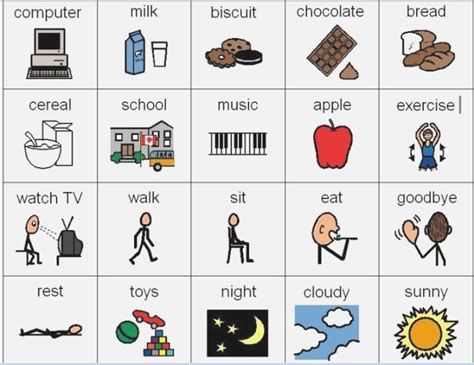
Begin by determining the size of the containers or jars you plan to label. Measure the width and height of each surface that will hold the label. Once you have the measurements, use a design program to create a layout that fits perfectly. Adjust the template to match the size of your packaging for a clean, professional look.
Choose a clear and legible font for the label text. Sans-serif fonts like Arial or Helvetica are easy to read at various sizes. Make sure the font size is appropriate to fit the information you want to include, such as product names, dates, and storage instructions. Keep the font size consistent across all labels for a cohesive design.
Use contrasting colors to make the text stand out against the background. If you’re designing labels for jars that will be stored in a dark cabinet, opt for light-colored text on a darker background for better visibility. Avoid using too many colors; a simple two-color scheme is usually the most effective for legibility.
For better organization, include a section for the date of purchase or expiry. This is particularly helpful for items like dried goods, sauces, or homemade treats. Add a small calendar icon next to the date field for visual appeal, and use a consistent format for all labels (e.g., MM/DD/YYYY) to maintain uniformity.
If you’re labeling a variety of products, create distinct categories using small graphics or icons. For example, use a picture of a spice jar for herbs, or a fruit image for jams. This method not only adds charm to the labels but also makes it easier to quickly identify different products at a glance.
Finally, after printing and cutting the labels, affix them securely to your containers. If you’re using adhesive paper, simply peel and stick. For non-adhesive labels, apply a thin layer of glue or double-sided tape to ensure the labels stay in place, even in humid conditions like a refrigerator or pantry.