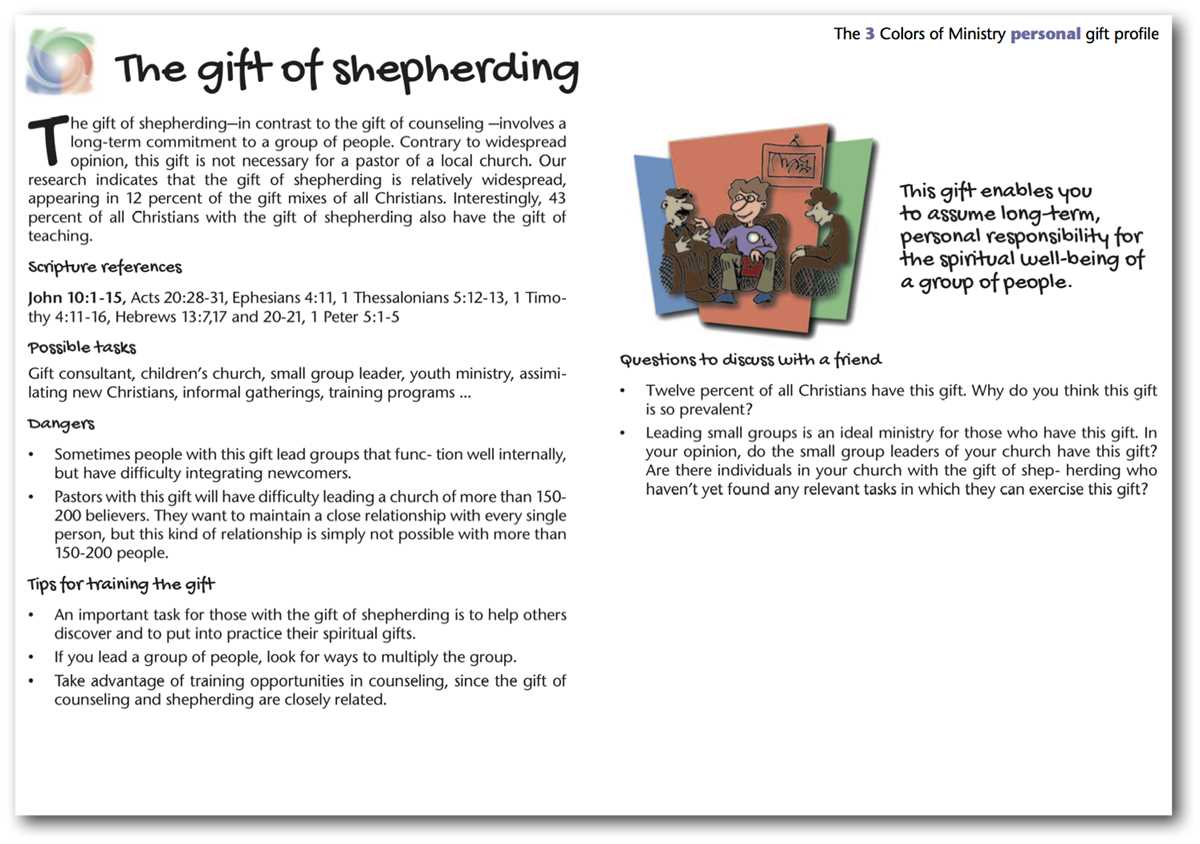
To help young people discover their unique talents and strengths, consider providing them with a tool that allows for self-assessment and reflection. These resources can be designed to identify core abilities, such as leadership, creativity, or empathy. Once printed, these materials can be used in group activities or as part of personal development programs, guiding individuals toward a deeper understanding of their own potential.
Design these tools with clear, straightforward questions that align with the development needs of young individuals. The goal is to provide an easy way for them to evaluate their traits and preferences. By focusing on traits such as problem-solving abilities, communication skills, or compassion, these exercises encourage introspection and personal growth.
Printed resources like these are versatile and can be adapted for both group settings and individual use. They are particularly useful in mentorship programs, youth groups, or educational environments. The answers gathered from these activities provide insights that can shape future learning goals, helping young individuals set intentions for their development and growth.
Creating a Printable Tool for Discovering Personal Talents

Start by designing a set of focused questions that target the key strengths and qualities you’d like to help individuals identify. Use simple language and clear, actionable statements. For instance, include prompts like “I enjoy leading group activities” or “I feel fulfilled when helping others solve problems.” These help reveal intrinsic motivations and abilities.
Incorporate a variety of question formats to keep the tool engaging. Use a mix of multiple-choice questions, scale ratings (1-5), and open-ended prompts. This allows users to reflect on their preferences in different ways and provides more nuanced insights. Make sure to balance questions that focus on different areas, such as emotional intelligence, creativity, and practical skills.
Once you’ve created the material, ensure it is accessible and easy to use. Offer both digital and printed versions so that the tool can be filled out in a setting that’s most convenient. The printed version can be used in group settings or workshops, while the digital format allows for easy sharing and quick completion.
Next, consider including a section for reflection at the end of the exercise. After the individual completes the activity, provide prompts that encourage deeper thought. For example, “Which areas did you score highest in?” and “How can you apply these strengths in your daily life?” This reflection step encourages individuals to actively engage with their results and think about how they can grow.
To ensure the tool is effective, periodically review the questions and results. Gather feedback from users about their experience, and adjust the content as needed. This ensures that the material remains relevant and useful, reflecting the changing needs and interests of individuals over time.
In addition to individual use, this tool can also be incorporated into group discussions. After completing the material, encourage participants to share their findings in small groups or with a mentor. This provides an opportunity for peer support and deeper learning. Group discussions also allow participants to hear different perspectives, helping them better understand their results.
Finally, create a resource guide for users to reference after completing the activity. Include suggestions for further reading, ways to develop identified strengths, or links to relevant resources like workshops or mentoring programs. This provides individuals with practical steps to take after gaining insights into their abilities, helping them grow and refine their talents.
How to Create a Spiritual Abilities Assessment for Young People
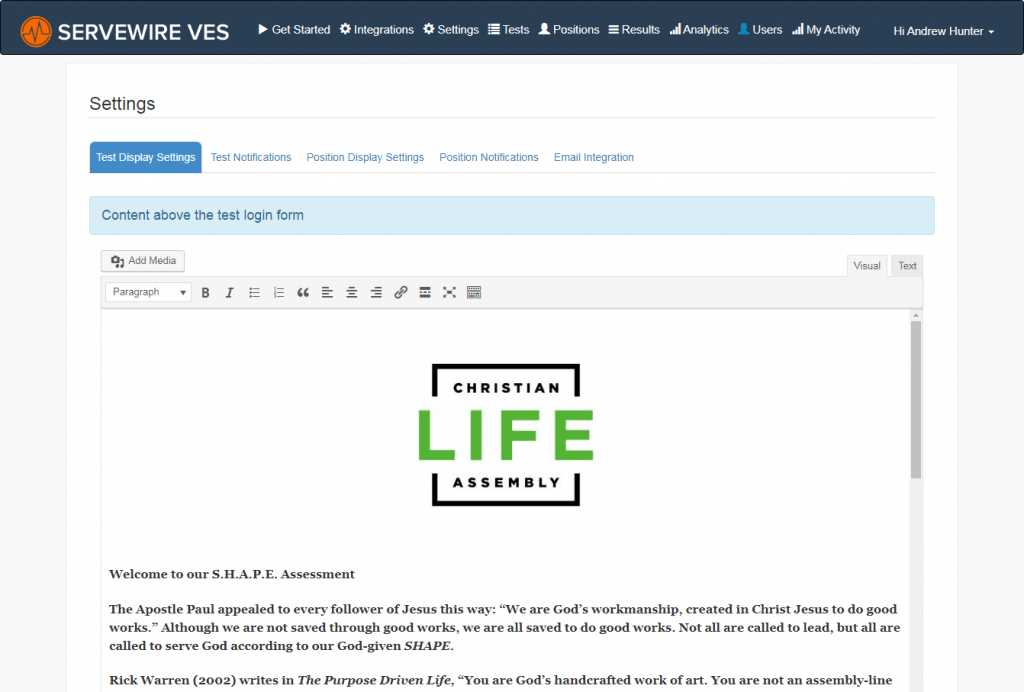
Begin by identifying the key qualities you want to assess. Focus on positive traits such as empathy, leadership, or the ability to inspire others. These should be clearly defined in simple, straightforward language. Create a series of questions or statements that help identify each trait, such as “I feel most fulfilled when helping others” or “I enjoy leading group activities.”
Use a combination of multiple-choice questions and Likert scales to gather responses. For example, ask participants to rate statements on a scale from “strongly agree” to “strongly disagree.” This allows for a range of responses and helps identify not only the presence of a quality but the strength of that quality in the individual. Keep the questions simple to ensure they are age-appropriate and easy to understand.
Once the questions are prepared, format them for easy printing. Use a clean, visually appealing layout with enough space for respondents to mark their answers clearly. You can organize the questions into sections based on different traits, making it easier for users to navigate the assessment. Ensure the design is user-friendly, especially if it will be used in group settings or workshops.
After collecting responses, offer clear guidelines for interpretation. Create a simple scoring system that highlights the key areas where individuals show strength. Include suggestions for development based on the results, offering recommendations for how they can further cultivate their abilities. This makes the tool not only a way to identify strengths but also a resource for personal growth.