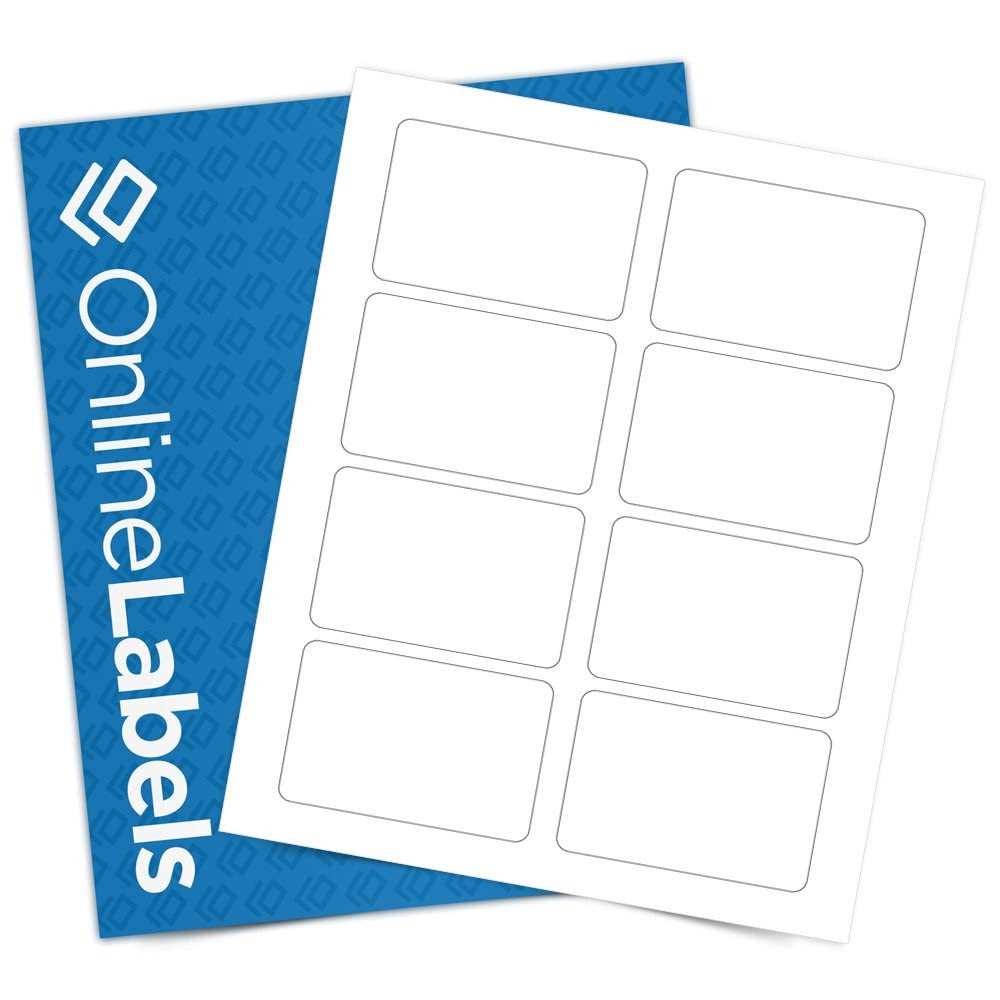
When preparing for events, conferences, or gatherings, having clear and well-designed name identification cards is crucial for smooth interactions. Choose templates that allow easy customization with names, titles, and company logos, ensuring the right impression. Online platforms and word processing software often provide options for designing these cards with the right fit for your event’s theme.
For best results, use high-quality paper to ensure the durability of the tags throughout the event. Cardstock or glossy papers are often the best options for events that require extra sturdiness. These materials offer a professional feel and can withstand wear during long events. For added clarity, opt for clear fonts and bold headings that allow for easy readability from a distance.
Once you’ve finalized the design, printing should be straightforward. Make sure your printer settings match the paper size and layout of your design. Use a printer that offers good resolution to avoid blurry text or graphics. Finally, cut the tags neatly and prepare them for distribution. If you need to attach them to clothing, consider adding a pin or clip option for convenience.
How to Create Custom Name Identification Cards
Start by selecting a template that fits your event needs. Many software tools offer ready-to-use templates that can be customized with names, titles, and images. A simple online search for “free templates” will provide several options that cater to both professional and casual events.
Choose a design that complements the event’s theme or tone. For a business conference, opt for a minimalist design with clear text and a professional font. If you’re hosting a party or informal gathering, go for something more creative or colorful to match the atmosphere.
Ensure the dimensions fit your chosen paper size. Standard name cards typically measure 3.5″ x 2″, but you may want larger sizes for more visibility. If using custom sizes, ensure your printer can accommodate the paper you choose.
High-quality materials make a significant difference. Invest in thicker paper or cardstock for a professional finish. Glossy or matte finishes can add a polished touch, especially for high-profile events or where durability is required.
Personalize the text. Using a large font for the name ensures clarity. Smaller text may be used for titles, company names, or additional details. Avoid overcrowding the design–leave ample white space to ensure each element is legible.
Once the design is ready, use your home printer or a professional service. If using a home printer, adjust the printer settings to match the paper’s dimensions and quality settings. For a sharp finish, print a test page first to verify alignment.
Cut the cards carefully using scissors or a paper cutter. For precision, a trimmer or specialized cutter is highly recommended. This step ensures that all cards are uniformly sized and neat.
For added functionality, consider including a clip or lanyard option for easy attachment. This makes it more convenient for guests to wear their cards, especially for large events where quick identification is important.
How to Design Customizable Name Identification Cards for Events
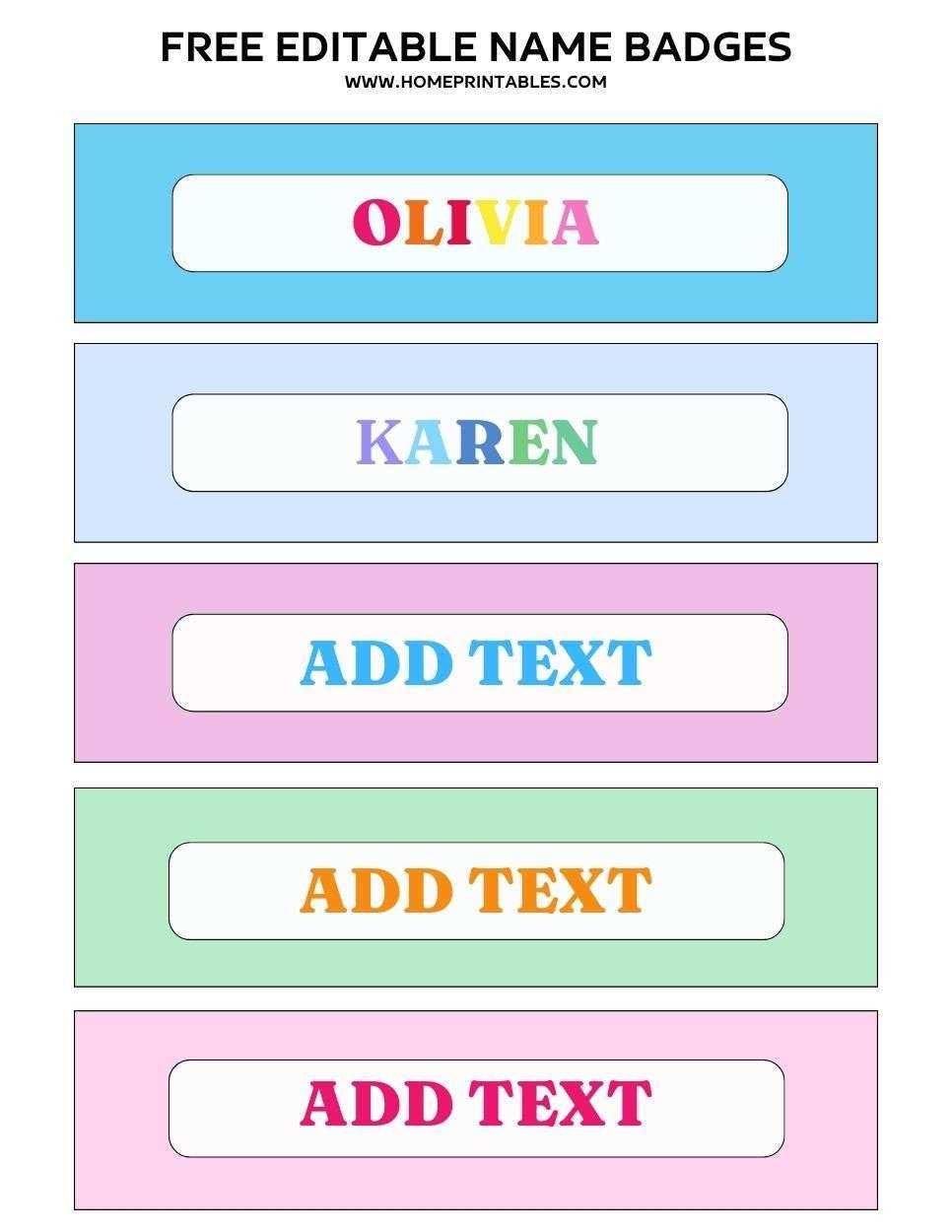
Start by selecting a design software or online platform that allows for customization. Tools like Canva, Adobe Spark, or Microsoft Word provide templates that can be tailored with various fonts, colors, and images.
Decide on the size of the card based on the event. Standard dimensions are typically 3.5″ x 2″ for small events, but larger cards work better for conferences or expos. Ensure the size fits well with your printing equipment or choose the appropriate paper stock.
Choose the font carefully for legibility. A clean sans-serif font is typically best for clarity. Make the name the largest element on the card, followed by any other information such as titles, organization, or role in smaller text.
Use color strategically to highlight important details and ensure the design is cohesive with the event’s theme. For corporate events, muted tones with accent colors work well, while a more vibrant palette might be appropriate for casual gatherings or social events.
Incorporate icons or small images relevant to the event to enhance recognition. For example, an event focused on technology might include a simple tech icon, while a charity event could use relevant logos or symbols.
Ensure there’s adequate spacing between each element. Overcrowding the design can reduce readability. Leave enough margin space around the edges to make the text stand out clearly and make the card more professional-looking.
Once the design is complete, make sure to preview the final product on your screen. Double-check for spelling errors and confirm that all details are accurate. Print a test copy to ensure the colors and layout appear as expected.
For larger events, consider adding a lanyard hole or a clip attachment to the card for easy wearability. If your event requires a more permanent solution, laminating the cards can protect them and add durability for future use.