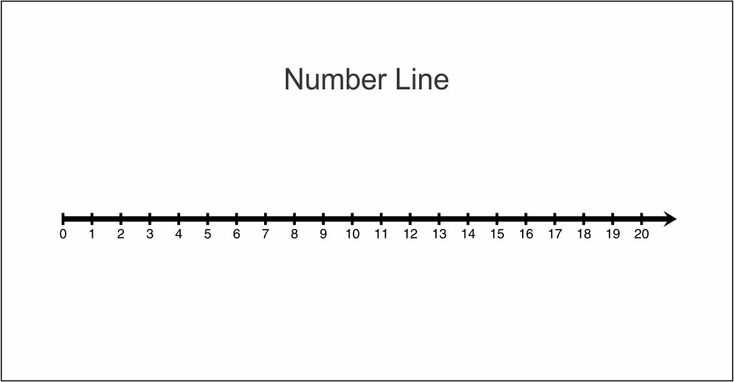
Use this chart to help children develop a solid understanding of counting from 1 to 20. It’s a great tool for visualizing numbers and improving basic arithmetic skills. Place it where kids can easily refer to it during practice sessions, making it an integral part of their learning routine.
For teachers and parents, this tool provides a hands-on method to introduce addition and subtraction. By pointing to the values on the chart, children can practice simple operations, which helps them grasp number sequences and math concepts more clearly.
Incorporating this chart into daily lessons promotes greater engagement. For example, you can ask children to count forward and backward or point to specific numbers and have them identify them quickly. This repetition builds familiarity with numbers, leading to faster mastery.
Using a Chart for Early Math Practice
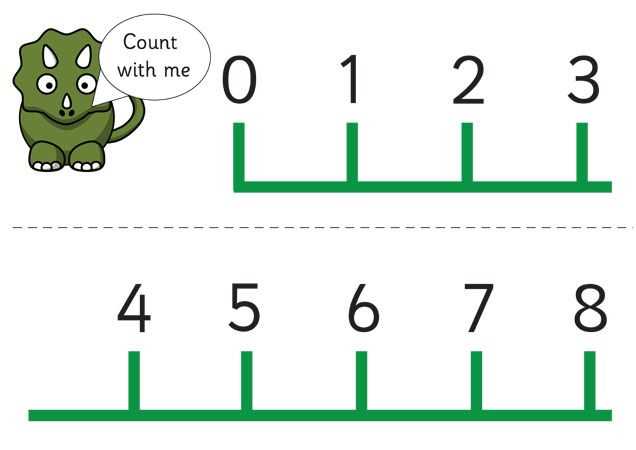
To support young learners in mastering basic counting skills, use a chart showing numbers from 1 to 20. This tool helps children visualize numerical relationships and strengthens their grasp of the sequence of numbers. It’s a great way to make math less abstract and more tangible.
Place the chart in a prominent spot, such as a wall near the learning area, so it’s always visible. Refer to it during daily lessons or learning sessions. The more frequently children see the numbers, the faster they will internalize them. Encourage them to point to specific numbers as they count aloud.
Use the chart for hands-on activities. For example, you can ask children to identify even and odd numbers or practice skip-counting by twos. This adds variety to the learning process and engages them in different ways. Interactive activities make it easier for children to connect numbers with real-world concepts.
To teach basic addition and subtraction, draw attention to the gaps between numbers. For example, if a child is learning to add 2 + 3, point to the starting number, then count forward along the chart. This visual method helps children better understand the idea of moving forward or backward within a set sequence of numbers.
Incorporate games into lessons to reinforce learning. For example, have a race where children must count from one number to another, touching each number along the way. This turns the chart into an engaging, interactive experience that supports both recognition and recall.
For more advanced students, try using the chart to introduce basic fractions. By highlighting portions of the chart, such as half or a quarter, children begin to see how numbers relate to parts of a whole. This encourages their understanding of math concepts beyond simple counting.
Incorporating this chart into daily routines not only aids in counting but also builds familiarity with the concept of number relationships. Whether you’re teaching children to recognize numbers, perform simple calculations, or understand fractions, this tool serves as an effective and engaging teaching aid.
How to Print a Chart from 1 to 20 for Classroom Use
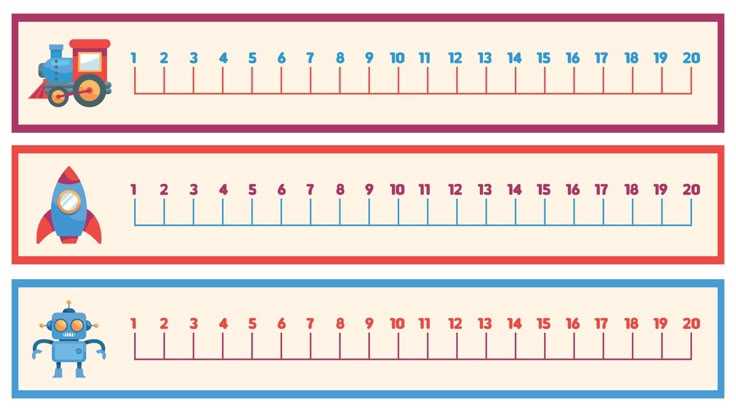
To print a chart with numbers from 1 to 20, start by selecting a high-quality PDF or image file. Ensure that the layout is clear, with each number spaced evenly for easy reading. This will help children focus on individual values without confusion.
Next, choose a printer with good resolution settings. Opt for a printer that can produce clear, bold text. For best results, use thicker paper or cardstock to ensure the chart is durable enough for frequent classroom use.
Consider adjusting the size of the printed chart to suit your space. A large poster-sized printout works well for group activities, while smaller prints are great for individual desks or notebooks. If you have limited space, a vertical format may be more practical.
Before printing, review the colors on the chart. Choose contrasting colors for numbers and the background to ensure clarity. Black text on a white background is typically the easiest to read, but bright colors may help engage younger learners.
Finally, laminate the printed chart to protect it from wear and tear. Lamination increases the chart’s longevity and makes it easy to wipe off marks, especially during interactive learning sessions. You can also hang it up for easy access during lessons.