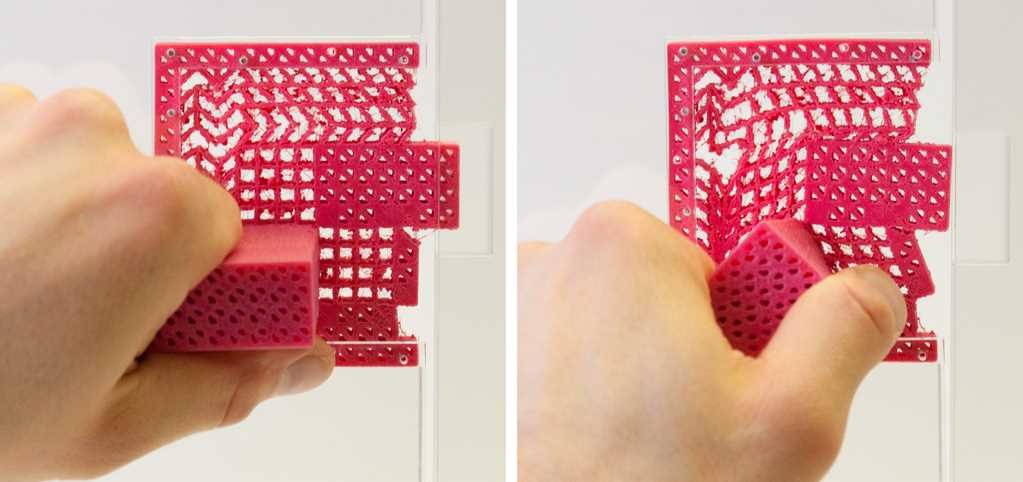
For creating strong and reliable fasteners using 3D technology, selecting the right materials is key. Opt for durable thermoplastics like PLA or ABS, which offer good strength and flexibility. For added resilience, consider nylon or PETG, especially for moving parts that experience wear and tear.
Design your fastener to fit the specific requirements of your project. Consider the stress it will undergo and ensure that the geometry of your model is optimized to handle those forces. Adding reinforcement ribs or using thicker sections can greatly increase the durability of your printed part.
After finalizing the design, print a test version of the component before proceeding with the full project. This allows you to evaluate how well the part fits and performs, as well as make any necessary adjustments to the model. With 3D printing, you can quickly iterate on your design, ensuring the best outcome for your application.
Creating a Durable 3D Printed Fastening Mechanism

Start by selecting a material that can withstand mechanical stress. PLA is easy to print and works well for light-duty applications, but for stronger and more flexible parts, consider using ABS, PETG, or nylon. These materials provide better durability and flexibility, making them ideal for parts that will experience regular movement or heavy usage.
Design the component with interlocking parts to ensure a secure fit. Be sure to account for the shrinkage of the material during printing, as this could affect the fit and function of the piece. Testing different tolerances is key to ensuring your custom fastener operates as intended. Adjust the dimensions of moving parts to prevent binding or wear. Printing at higher resolutions can improve the part’s accuracy and fit, but consider balancing detail with print time to optimize the process.
Choosing the Right Material for 3D Printed Fasteners
For components that will be under stress or repeated use, opt for a material with high tensile strength. ABS is a common choice because of its robust mechanical properties and resistance to impact, making it a solid option for durable, functional parts. However, ABS may require a heated bed and can produce fumes during printing, so proper ventilation is necessary.
If your design includes moving parts that need flexibility, PETG is a great alternative. It combines the strength of ABS with the flexibility of other materials, and it’s easier to print with fewer warping issues. PETG also offers better resistance to chemicals, which can be a benefit in certain environments.
For lightweight applications or aesthetic parts, PLA is the easiest material to work with. It’s biodegradable, and while it may not be as durable as ABS or PETG, it’s suitable for low-stress items like simple clasps or decorative elements. It’s also less prone to warping, making it easier for beginners to work with.
If your project requires high wear-resistance or needs to operate in demanding conditions, consider nylon. It’s highly durable, flexible, and resistant to wear, making it ideal for parts that must endure friction, impact, or exposure to harsh environments. Nylon also absorbs moisture, so be sure to dry the material before printing to prevent printing issues.
Another strong option is polypropylene, known for its fatigue resistance and high flexibility. It’s commonly used in automotive and consumer products. Polypropylene is lightweight, resistant to many chemicals, and has a relatively low density, which can be advantageous in designs where weight is a factor.
For applications where high temperature resistance is needed, consider using materials like PEEK or polycarbonate. These materials can withstand higher temperatures and are often used in engineering applications. However, they require higher printing temperatures and specialized printers, making them more suited to advanced users.
Each material has its strengths and weaknesses. Test your designs using different filament options to see which material best fits your needs, considering factors like strength, flexibility, and environmental conditions. Choosing the correct material can greatly impact the performance and longevity of your printed components.