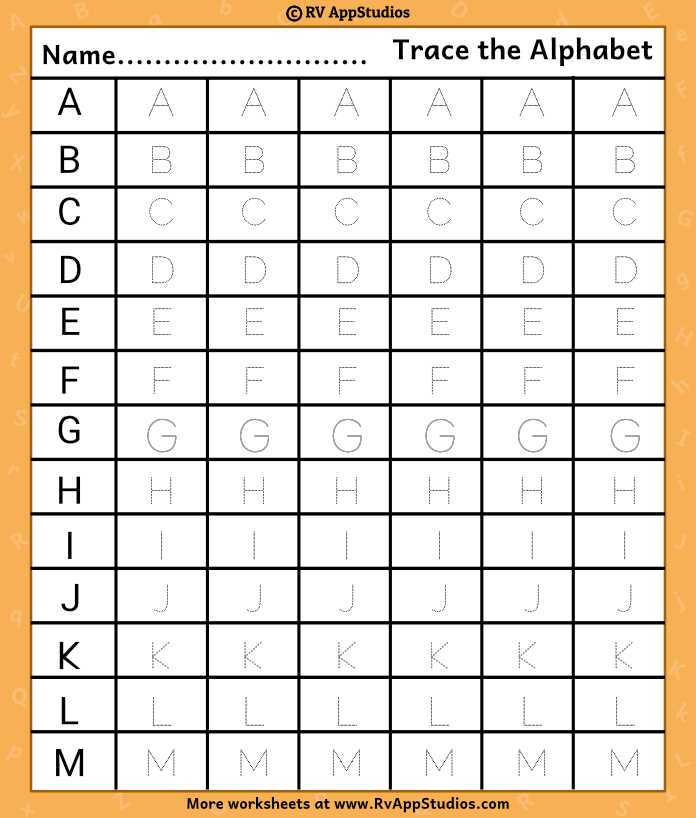
To improve handwriting and letter formation, start with exercises that guide children through the process of tracing shapes and characters. These activities are perfect for early learners who need structured practice. By repeatedly following a pattern, young students develop muscle memory, improving both speed and legibility in writing.
Rather than relying on abstract instructions, provide clear, step-by-step templates that break down each letter into traceable forms. This approach gives children a visual representation of how each letter should be written, making the learning process much easier and more engaging. By focusing on one letter at a time, you can help build confidence and mastery before moving on to more complex tasks.
Consider using downloadable resources that offer a variety of characters and writing styles. These can be printed and used multiple times, allowing children to trace over the same letters until they feel comfortable. The key is repetition–by reinforcing the same strokes and shapes, kids strengthen their ability to write each letter accurately without guidance.
How Printable Exercises Help Kids Improve Writing Skills
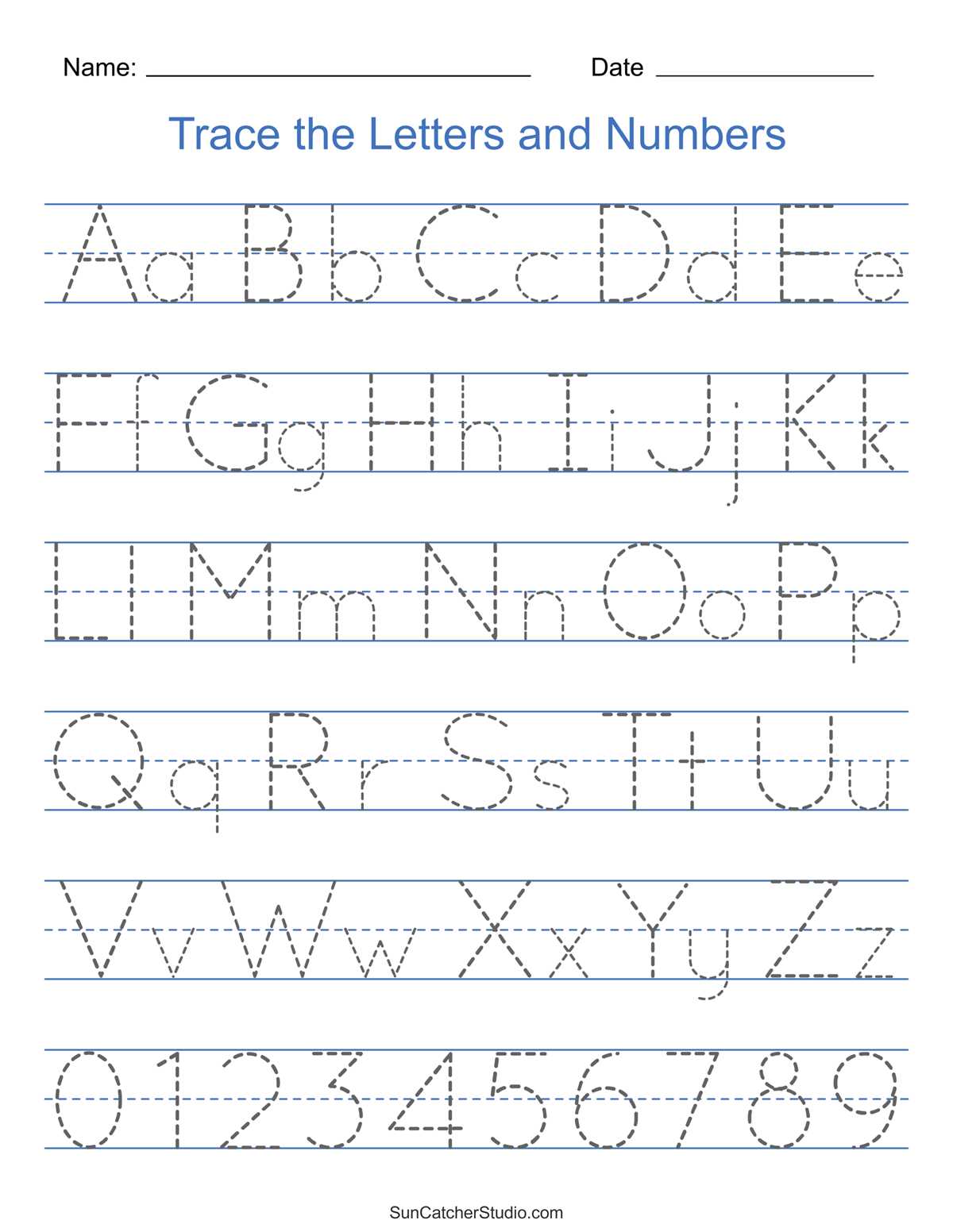
Using structured sheets with simple letter patterns can drastically improve handwriting. These materials guide children to trace over pre-drawn shapes, reinforcing the correct movements needed to form each character. This method builds muscle memory, which is essential for writing legibly and efficiently without constant supervision.
When children practice writing on these guided sheets, they learn how to control their pencil and apply the right amount of pressure. With every repetition, their grip becomes more natural, leading to smoother, more consistent writing. This skill set extends beyond letter formation and can enhance overall coordination in other writing tasks.
Each character has its own unique set of strokes. By offering a variety of activities, young learners get exposed to different letter structures and writing styles. This diversity helps them recognize patterns and internalize the nuances of each shape, making it easier to transfer the knowledge to real-world writing situations.
Printable templates can be used at the child’s own pace. This flexibility ensures that beginners can focus on individual letters for as long as they need, allowing for mastery before moving on. A slower, methodical approach is often more effective than rushing to complete the full set, as it ensures foundational skills are solidified.
Using printable exercises at home also allows for regular practice outside the classroom. Parents can easily create a consistent writing routine, which accelerates learning. With a variety of free online resources, there’s no need to invest in expensive learning tools–simple printables can make a significant impact over time.
In addition to improving handwriting, these exercises also enhance letter recognition. As children trace over the lines, they become more familiar with the shapes of letters and their proper order in words. This builds the foundation for future reading skills, creating a well-rounded approach to early education.
Best Practices for Using Letter Tracing Sheets at Home
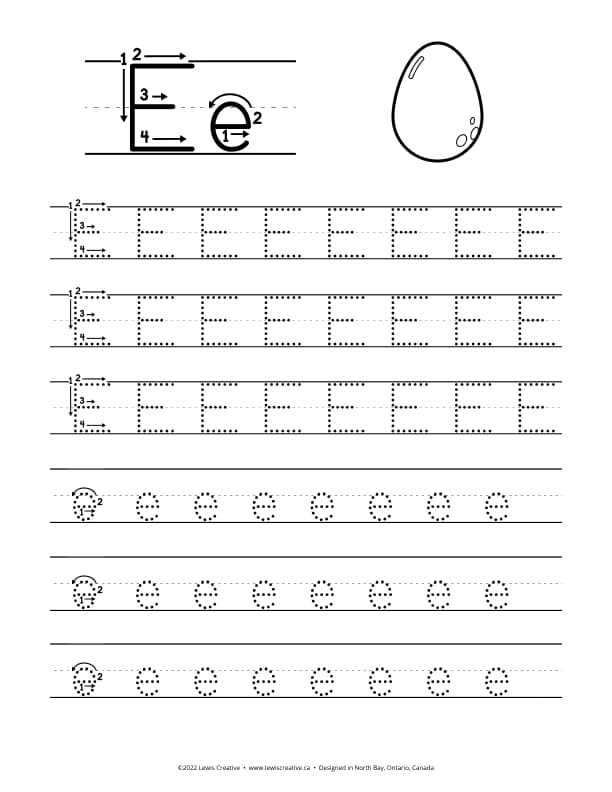
Start by setting a consistent practice schedule. Regular, short sessions are more effective than long, irregular ones. Aim for 10-15 minutes each day to prevent frustration and ensure children stay engaged without feeling overwhelmed.
Begin with simple characters and gradually progress to more complex ones. Focus on individual letters first, allowing your child to master the shape and strokes before moving on to the next. This approach helps build confidence and ensures they aren’t overwhelmed with too many shapes at once.
Use a variety of materials to make the activity more engaging. Along with the tracing sheets, consider incorporating different writing tools, such as colored pencils or markers. This small change can increase interest and make the practice feel more like play rather than a chore.
Provide guidance but avoid taking over the task. Gently correct mistakes, but encourage independence as much as possible. Point out areas for improvement, such as consistent stroke direction, but allow your child to complete the tracing without too much intervention.
Make the practice enjoyable by incorporating it into everyday routines. For example, have your child trace over letters found in their favorite books, toys, or even in the kitchen. This connects the tracing activity to real-world objects, reinforcing the learning process and making it more memorable.