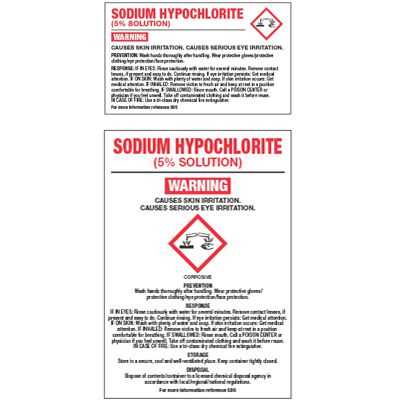
Start by selecting high-quality sheets designed for safety and organization. Make sure the material is durable enough to withstand exposure to chemicals, moisture, and varying temperatures. Opt for a product that adheres well to containers and resists fading over time to ensure long-term clarity.
Choose templates that offer clear and concise information. Include sections for the name of the substance, hazard warnings, handling instructions, and expiration dates. A well-organized design will not only help with safety but will also keep your storage areas orderly and easy to navigate.
Print your design using a reliable printer, ensuring the text is crisp and readable. For the best results, use waterproof or smudge-resistant ink to avoid any deterioration during use. Once printed, carefully apply the labels to containers, ensuring they are visible and positioned in a way that makes them easy to read from any angle.
Printable Chemical Labels
Use waterproof and durable materials for maximum longevity, especially if the containers will be exposed to harsh environments or chemicals. Consider selecting adhesive-backed sheets that are resistant to smudging and fading. This will ensure that the information remains legible over time, even in challenging conditions.
Ensure that each tag has space for all required safety details, such as hazard symbols, handling instructions, and contents. Using a clear font and a logical layout will help users quickly identify key information, improving both safety and efficiency in the workplace or storage areas.
How to Design Custom Chemical Labels for Your Needs
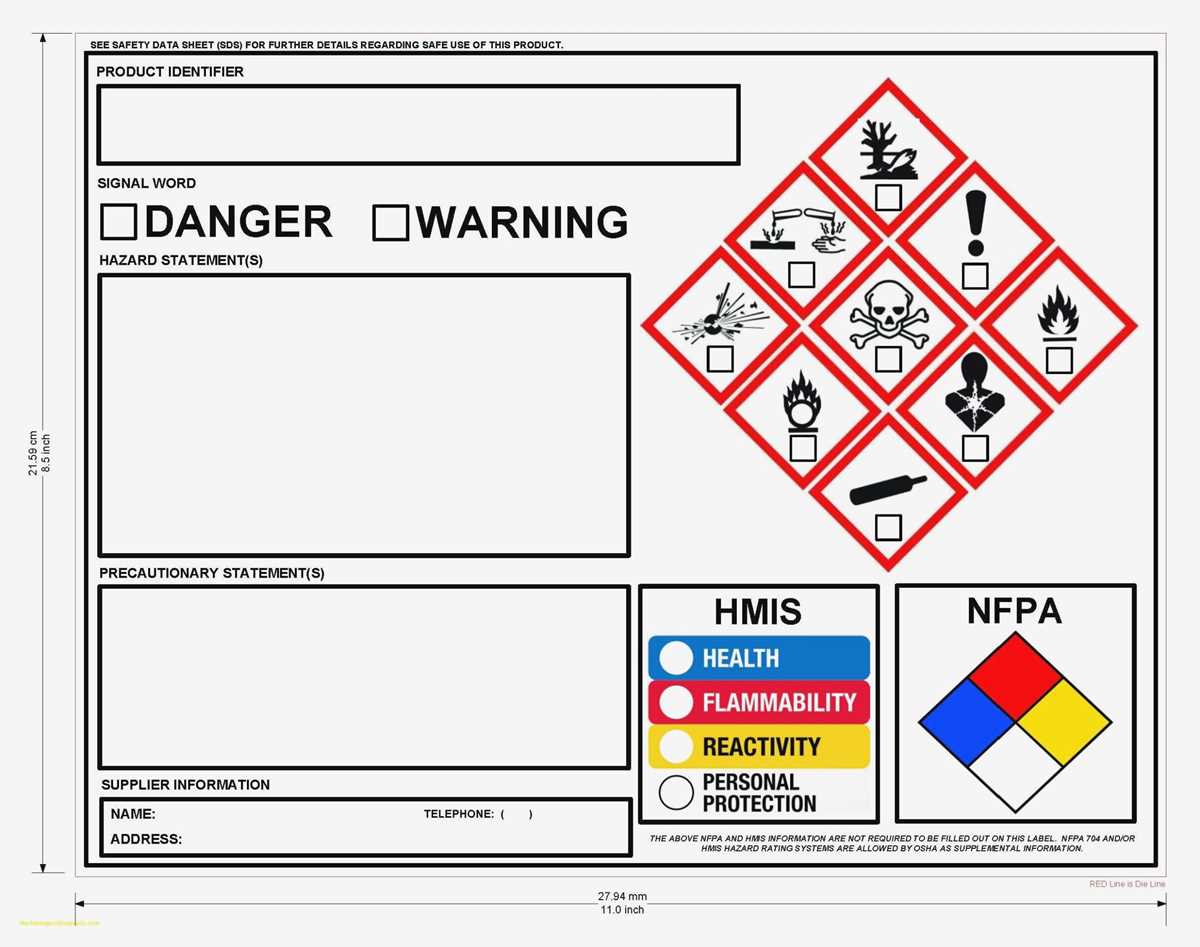
Start by determining the key information that needs to be included on each tag. At a minimum, this should cover the name of the substance, hazard warnings, safety precautions, and handling instructions. Ensure the font is legible and large enough for easy reading from a distance.
Next, choose a clear and simple layout. Opt for a format that includes distinct sections, making it easy to find important details quickly. For instance, you can have one section for the substance name, another for hazard symbols, and a separate area for instructions or warnings.
Use bold colors to highlight key information such as hazard warnings and precautionary measures. Bright colors like red or yellow for danger and green for safety are effective at catching attention. Avoid using too many colors, as this can make the label look cluttered and hard to read.
Consider including standard safety symbols, such as flammable, corrosive, or toxic, depending on the material. You can source these icons from international safety standards or design your own if necessary. Make sure they are clear and easily recognizable by your intended audience.
Ensure the label material is compatible with your storage environment. If the items will be exposed to moisture or extreme temperatures, use materials that are resistant to water, heat, or chemicals. Waterproof adhesive paper is a good option for long-term durability in varied conditions.
For consistency, create a template that can be reused for different substances. This ensures uniformity across all your tags, which is especially important in workplaces where multiple items need to be stored or handled in a similar way. Use design software or online tools to create and edit templates quickly.
Finally, print a test label and assess its readability and durability. Check how it holds up against exposure to chemicals, humidity, or temperature fluctuations. Adjust the design as necessary to improve clarity, color contrast, or layout before finalizing the batch for production.