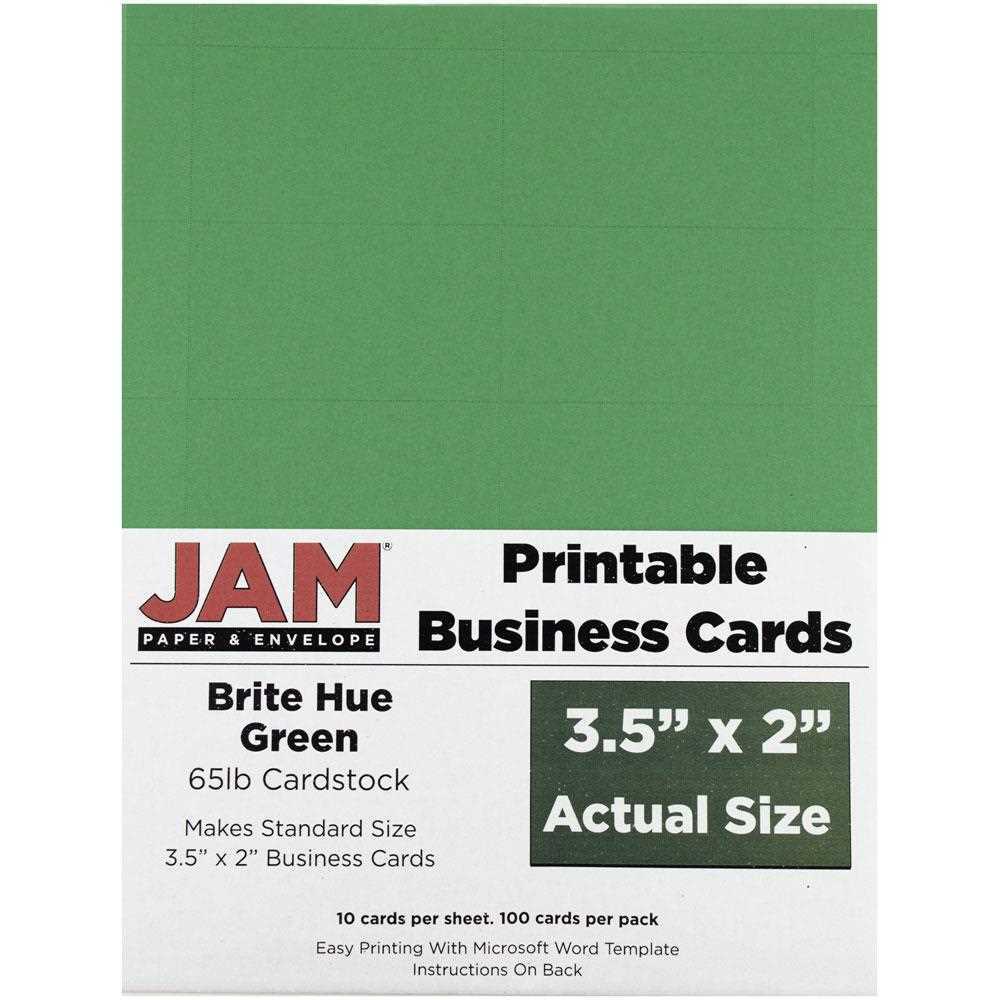
For a sharp, clean finish on greeting cards, invitations, or scrapbooking, opt for a heavier stock that can withstand ink saturation and maintain its structure. A weight range of 80lb to 110lb is ideal for most DIY endeavors. Lighter materials, such as 65lb options, are suitable for simple projects but may lack the durability needed for more intricate designs.
Ensure that your printer can handle thicker materials to avoid paper jams. Many home printers are designed for lighter sheets, so check your printer’s specifications for compatibility. If you’re using a laser printer, avoid papers with glossy finishes that can cause smudging or damage your machine.
Store unused sheets in a dry, cool place to preserve their texture and prevent warping. If you’re planning to use it over time, keep the stock in its original packaging or in a protective box to shield it from dust, humidity, and other environmental factors that could affect its performance.
Choosing the Best Heavyweight Stock for Your Craft Projects
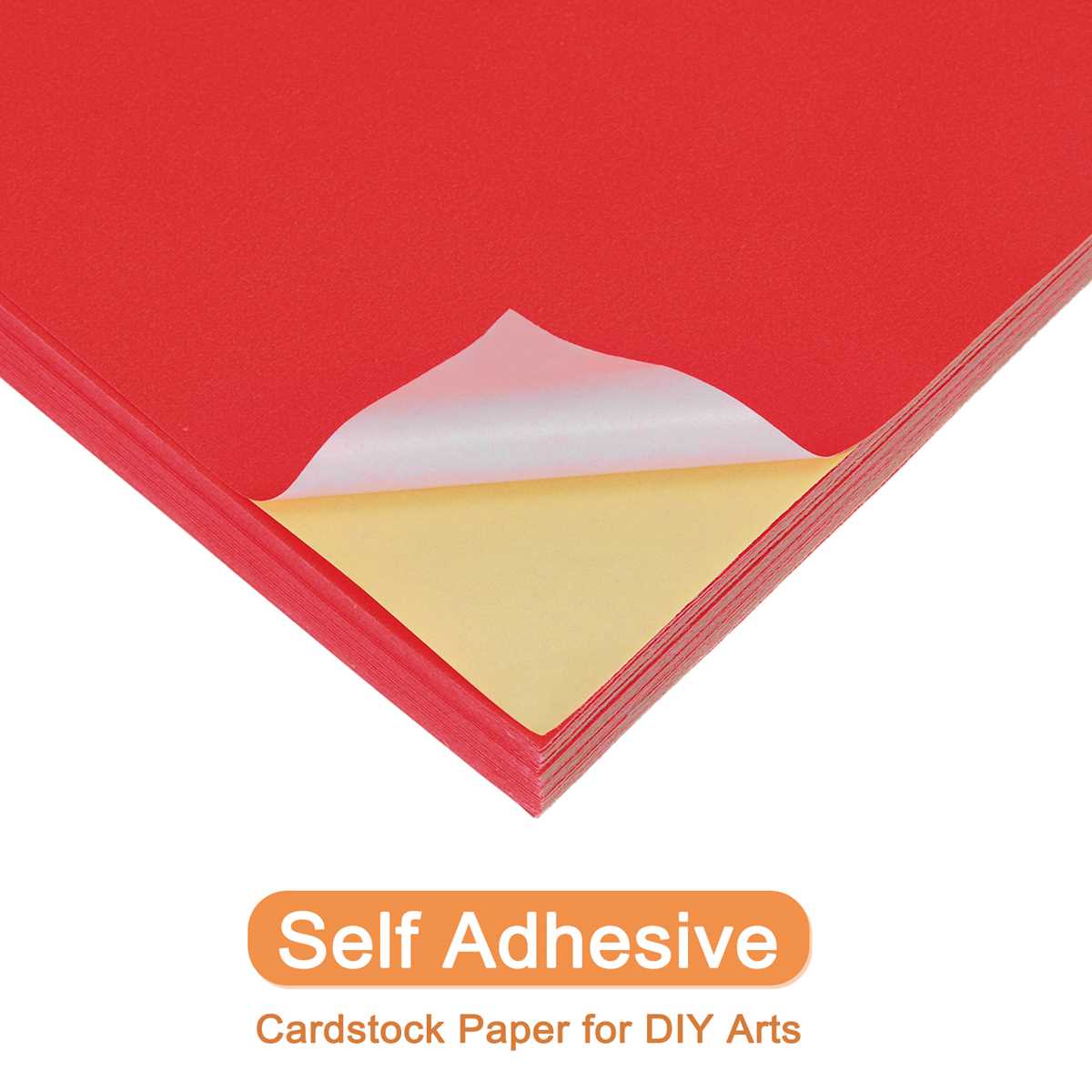
Opt for a stock with a weight of 80lb to 110lb for most crafting tasks. This range offers the durability needed for projects like invitations, greeting cards, and scrapbook pages. Anything lighter may lack the rigidity required for intricate folding or layering, while heavier options can become too stiff for smooth printing or cutting.
When printing on thicker stocks, be mindful of the printer’s capabilities. Standard home printers might struggle with thicker materials, leading to paper jams or poor print quality. To avoid these issues, check the manufacturer’s guidelines and consider using a laser printer, which is better suited for heavier media.
If you’re using a glossy or coated finish, ensure your printer is compatible. Some gloss finishes can cause smudging or uneven ink distribution, especially with inkjet printers. For smoother results, choose matte or uncoated options if printing large areas of color or detailed designs.
Storing unused sheets properly is just as important as choosing the right material. Keep stock in a cool, dry location to avoid warping or curling, and consider investing in a protective storage box. Humidity can damage the surface, leading to inconsistent prints or difficulty when cutting shapes.
For projects involving heavy embellishments or extensive use of adhesives, opt for a sturdier material, like 110lb stock. This will prevent the sheet from warping under the weight of decorations like rhinestones or thick glue layers.
If you’re new to working with thick sheets, start by testing with smaller prints. This will help you gauge how the material interacts with your printer and allow you to make adjustments to settings like paper type or print quality without wasting resources.
Finally, don’t forget to check for compatibility with your cutting tools. If you plan to use a cutting machine, ensure that the stock is not only printable but also thin enough to pass through without damaging your blades or tools. Some die-cutters may struggle with heavier materials, so always test on a small section first.
How to Choose the Right Weight of Stock for Different Projects
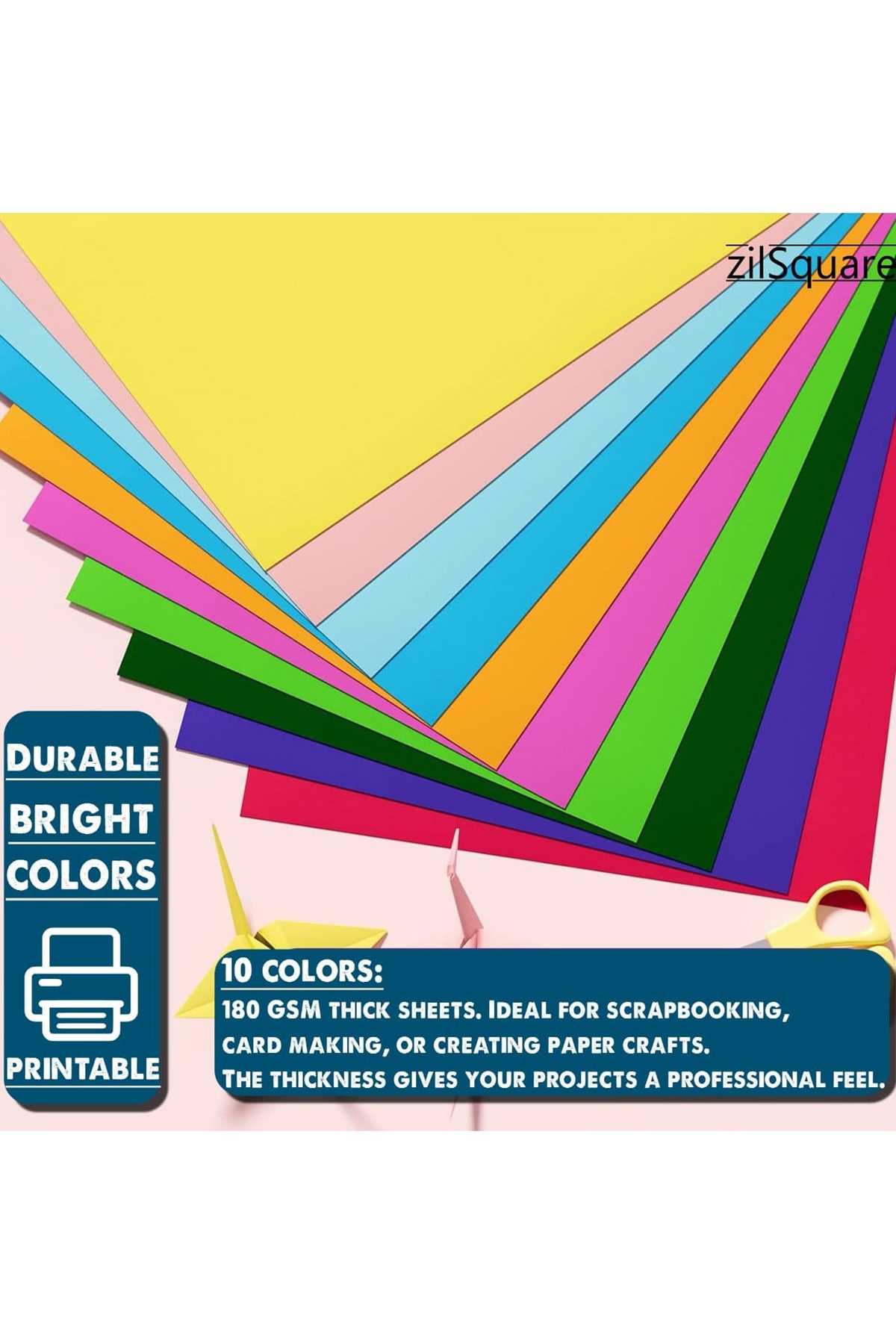
For greeting cards or invitations, select a stock with a weight between 80lb and 110lb. This range provides the right balance of sturdiness and flexibility, allowing for easy folding and handling without feeling too thick or stiff. The heavier the stock, the more durable it will be, making it ideal for projects that need to withstand frequent handling.
For scrapbooking or photo album pages, consider using a lighter weight between 60lb and 80lb. This weight is perfect for layering and creating background elements without adding too much bulk. It provides enough strength for photos and embellishments while keeping the album from becoming too thick and difficult to handle.
If you’re working on 3D projects such as gift boxes or models, opt for a heavier stock of 110lb or higher. This material can hold its shape and is better for complex folds and cuts. It also offers more support when adhesives or embellishments are added, ensuring the project stays intact over time.
For general crafting or quick projects, lighter weights between 65lb and 80lb are sufficient. They allow for easy cutting, folding, and printing, making them a great option for one-off projects, templates, and quick decorative items where flexibility is more important than durability.